
Europe-Wide Operation Dismantles Major Cultural Heritage Trafficking Network, 35 Arrested

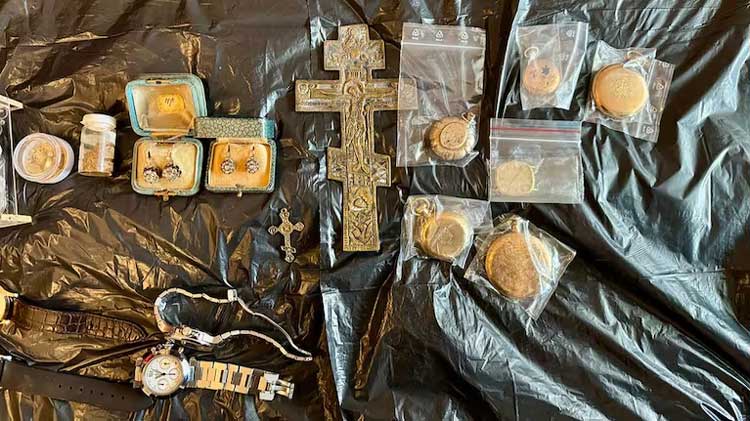
Law enforcement agencies across seven countries have dismantled a highly sophisticated criminal network trafficking stolen cultural artifacts throughout Europe, Bulgarian authorities announced on Thursday.
A coordinated operation involving Albania, Bulgaria, France, Germany, Greece, Italy, and the United Kingdom — supported by Eurojust and Europol — resulted in the arrest of 35 suspects tied to a long-running smuggling ring accused of attempting to sell thousands of artifacts looted from museums across Europe. About 20 of those detained face charges of antiquities trafficking and money laundering, Bulgarian Prosecutor Angel Kanev said.
Kanev noted that the network had been operating for more than 16 years across Western Europe, the Balkans, the United States, and other countries. Investigators have so far traced more than $1 billion in illicit funds linked to the group.
According to Europol, Wednesday’s coordinated actions included 131 searches of homes, vehicles, and bank safes across the participating countries. Authorities seized more than 3,000 cultural objects, among them rare gold and silver coins and other ancient artifacts valued at over €100 million ($116 million). Officers also confiscated artworks, weapons, documents, electronics, large amounts of cash, and investment-grade gold.
Paolo Befera, deputy head of Italy’s Carabinieri unit for protecting cultural heritage, called the bust “the largest of this manner ever conducted,” noting that Italian authorities alone recovered around 300 historical artifacts.
The Balkans and Italy — rich in Greek, Roman, and other ancient archaeological sites — have long been targets for looters and organized crime groups. Despite strict heritage protection laws, stolen antiquities remain in high demand on the international black market.
Comments are closed.