
EU Unlikely to Back Trump’s 100% Tariff Push on India, China Over Russian Oil: Reuters

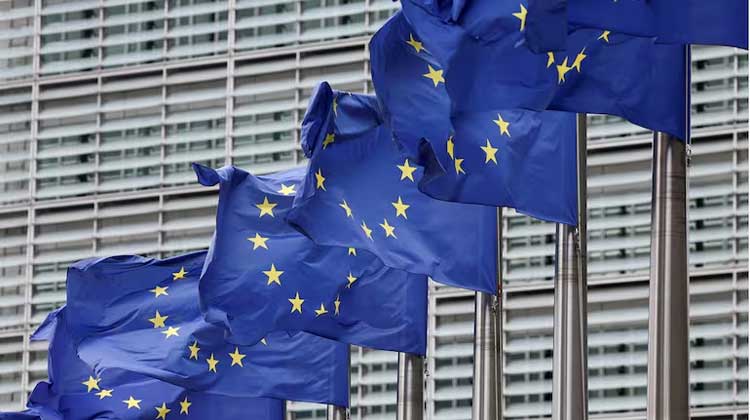
The European Union is unlikely to join US President Donald Trump’s call for “100% tariffs” on India and China over their continued purchases of Russian oil, Reuters reported, citing EU officials.
A delegation of EU officials, including the bloc’s chief sanctions envoy, visited Washington this week to discuss coordination on measures against Moscow. But diplomats stressed that tariffs are not under consideration.
“So far, there has been no discussion of tariffs, either on India or on China,” one EU diplomat said, noting that Brussels is in the final stages of a trade deal with New Delhi that it does not want to jeopardize.
Another official cautioned that sweeping tariffs would be too broad and risky, arguing it is more effective to sanction specific entities with the option of lifting restrictions if they halt Russian business.
Trump has urged Brussels to adopt duties of up to 100% to intensify pressure on Russian President Vladimir Putin, who relies heavily on energy revenues to sustain his war in Ukraine. The European Commission declined to comment.
The EU has already rolled out wide-ranging sanctions on Russia, recently targeting two Chinese banks and an Indian refinery. Its only tariffs tied to the Ukraine war so far have been on Russian and Belarusian fertilisers and farm products, framed as a measure to protect European producers and reduce dependence.
Trump Softens Tone on India
Even as tariff tensions simmer, Trump signaled a reset with New Delhi this week, calling Prime Minister Narendra Modi a “very good friend” and voicing optimism about trade talks.
On Truth Social, Trump said both countries were “continuing negotiations to address trade barriers,” adding he expected “no difficulty” in reaching a deal.
Modi responded warmly, calling the US and India “close friends and natural partners.” He said both sides were working to conclude trade discussions soon and expressed eagerness for another conversation with Trump.
The exchange marked the second cordial public interaction between the two leaders in four days, following months of strain after Trump doubled tariffs on Indian goods to 50% over Russian energy imports.
Comments are closed.