
EU Officials Warn Green Rules Must Not Be Weakened Amid Environmental Crisis

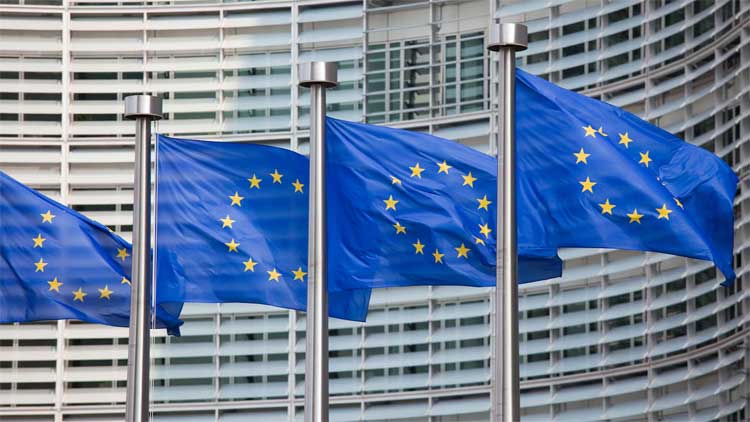
Europe’s way of life is under threat from environmental degradation, according to a report by the European Environment Agency (EEA), which warns that weakening climate and nature protections could jeopardize the continent’s prosperity.
While Europe has made progress in reducing planet-heating emissions, the report highlights serious challenges:
-
Over 80% of protected habitats are in poor or bad condition due to unsustainable consumption and production.
-
The EU’s carbon sink has declined by 30% over the past decade because of logging, wildfires, and pests.
-
Emissions from transport and food have remained largely unchanged since 2005.
-
Extreme weather adaptation is lagging behind rising risk levels.
-
Water stress affects one in three Europeans and is expected to worsen.
Leena Ylä-Mononen, EEA executive director, warned: “This is putting at risk the future prosperity, competitiveness, and quality of life of Europeans.”
The warning comes amid a rollback of green policies as far-right parties gain influence and external pressures, particularly from the US, push for fossil fuel use and relaxed pollution standards. In a recent UN speech, US President Donald Trump claimed, without evidence, that the EU was on the “brink of destruction because of the green energy agenda.”
EU officials, including Teresa Ribera, Jessika Roswall, and Wopke Hoekstra, stressed that continued climate action is essential. “The costs of inaction are enormous,” said Hoekstra, noting that climate change directly threatens Europe’s competitiveness. Ribera added that delaying climate targets would increase costs, deepen inequalities, and weaken resilience.
The report, the seventh since 1995, provides the most comprehensive overview of Europe’s environment to date. Only two of 22 policy targets for 2030—greenhouse gas emissions and ozone-depleting substances—are largely on track. Nine are largely off track, while the rest show mixed trends.
Biodiversity remains a major concern, with the EU failing to halt or reverse species loss by 2020. Only protected areas have increased, reaching 26.1% of land and 12.3% of seas in 2022. Circular economy progress is also slow, with recycling meeting just 11.8% of material demand in 2023, up slightly from 10.7% in 2010.
Ylä-Mononen noted improvements in air quality, which have halved premature deaths from fine particles since 2005, highlighting the tangible benefits of environmental action.
The EEA report underscores that while progress has been made, Europe’s environmental and economic future depends on maintaining strong green policies.
Comments are closed.