
Elon Musk’s Tesla Opens Delhi Showroom: A Milestone in India’s EV Journey

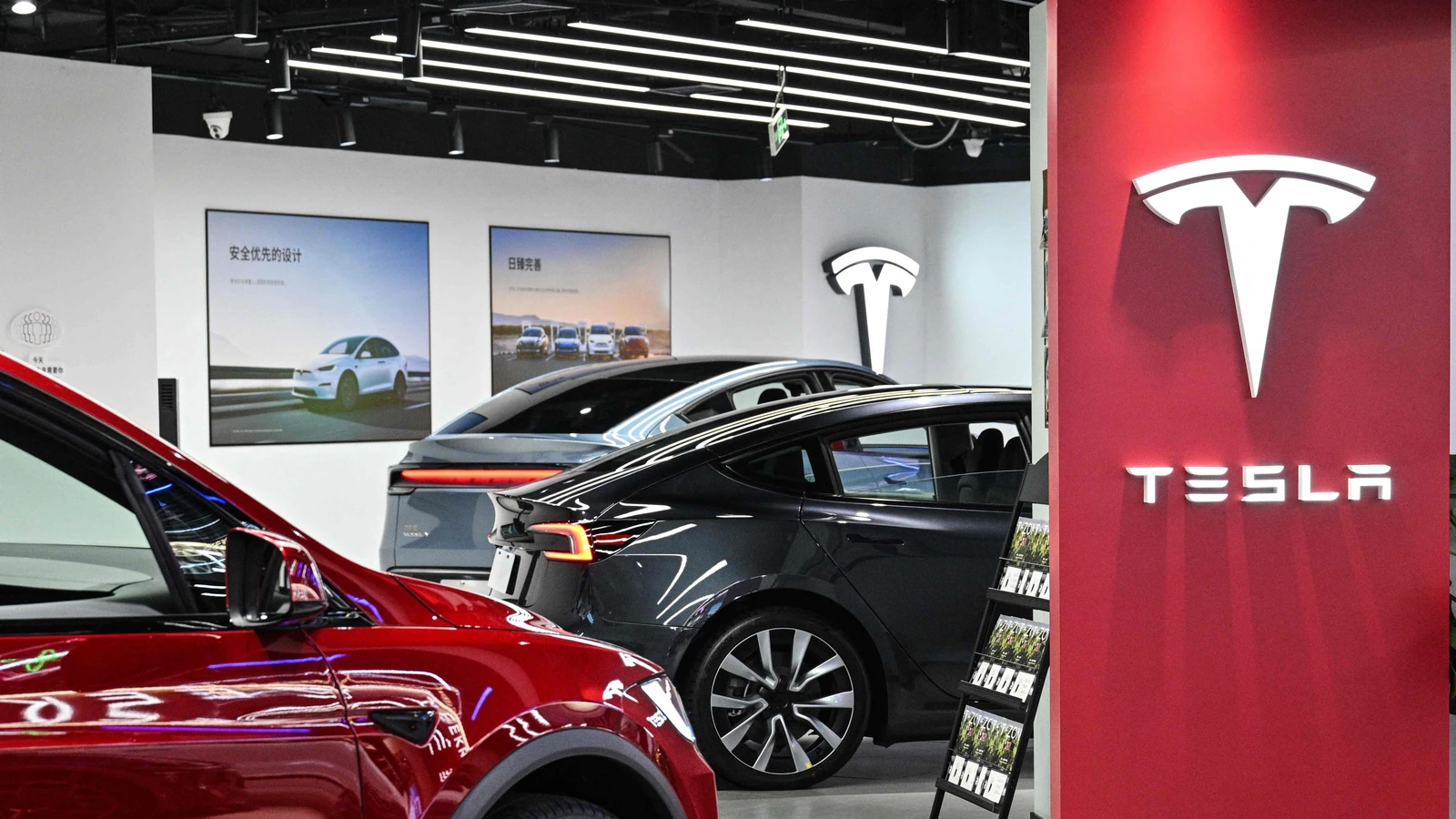
Tesla, Inc., led by Elon Musk, opened its second showroom in India at the Worldmark 3 complex in Aerocity, Delhi, a significant step in its expansion into the world’s third-largest automobile market. Following the launch of its first Indian showroom in Mumbai’s Bandra Kurla Complex (BKC) on July 15, 2025, the Delhi opening, reported by sources such as The Times of India, India TV, and The Daily Jagran, reinforces Tesla’s commitment to India’s rapidly growing electric vehicle (EV) market. The 8,200-square-foot Tesla Experience Centre, equipped with four V4 Superchargers, targets affluent customers and corporate clients in the National Capital Region (NCR), a key hub for India’s push toward electric mobility.
The launch generated significant buzz on X, with posts like @SawyerMerritt’s announcement, “Tesla’s second showroom in India is opening today in Delhi,” and @ishanagarwal24’s exclusive photos of Model Y displays. This article explores the details of the Delhi showroom opening, its strategic significance, operational features, challenges, and implications for Tesla’s role in India’s EV ecosystem as of August 12, 2025, at 5:24 PM IST.
Details of the Delhi Showroom Launch
The Tesla Experience Centre in Aerocity, strategically located near the Indira Gandhi International Airport, is designed to provide a premium, interactive experience for customers, showcasing the Model Y, the only Tesla model currently available in India. Key details, drawn from sources like Goodreturns, India TV, and Deepnewz, include:
-
Location and Size: The showroom, situated at Worldmark 3—a high-end commercial hub owned by Brookfield Asset Management—spans 8,200 square feet, though some reports, such as The Daily Jagran, cite 4,000 square feet. The nine-year lease carries a monthly rent of Rs 17.22–25 lakh, with 10 parking slots at Rs 6,000 each per month, as per Hindustan Times.
-
Charging Infrastructure: The facility includes four V4 Superchargers in its basement parking, offering 250 kW DC charging at Rs 24 per kWh. These chargers deliver approximately 238 km of range for the Model Y Rear-Wheel Drive (RWD) and 267 km for the Long Range RWD in 15 minutes, per Goodreturns.
-
Model Y Variants and Pricing: The Model Y is available in two variants: the RWD with a 60 kWh battery (500 km range, Rs 59.89 lakh ex-showroom) and the Long Range RWD with a 75 kWh battery (622 km range, Rs 67.89 lakh ex-showroom). Additional costs include GST (Rs 2.92–3.30 lakh), TCS (Rs 59,890–67,890), administration fees (Rs 50,000), road tax (Rs 7,000), and FASTag (Rs 800), as per The Daily Jagran. The Full Self-Driving (FSD) package, priced at Rs 6 lakh, will be introduced later, per Times of India.
-
Customer Experience: The showroom offers test drives, demonstrations of Autopilot and infotainment systems, and a section for Tesla accessories and merchandise, enhancing customer engagement, as noted in Goodreturns.
-
Official Inauguration: The launch was attended by Delhi Chief Minister Rekha Gupta, as reported by LatestLY, signaling strong governmental support, similar to the Mumbai opening attended by Maharashtra CM Devendra Fadnavis.
Strategic Significance of the Delhi Showroom
The Delhi showroom opening is a critical step for Tesla’s expansion in India, driven by several strategic factors:
-
Targeting a Premium Market: Delhi, as India’s political and economic hub, is home to a large population of high-net-worth individuals and corporate buyers, making it an ideal location for Tesla’s premium EVs. The NCR’s affluent demographic aligns with the Model Y’s positioning, as highlighted by Economic Times.
-
Building Charging Infrastructure: The inclusion of four V4 Superchargers, with plans for additional stations in Gurugram, Noida, and Saket, addresses range anxiety—a major barrier to EV adoption in India. Tesla’s Regional Director for South East Asia, Isabel Fan, emphasized plans to expand the Supercharger network across Delhi, Mumbai, Bengaluru, Hyderabad, and Chennai, with deliveries starting in September 2025, per The Hindu.
-
Direct-to-Consumer Model: Tesla’s online booking and home delivery model, prioritizing customers in Mumbai, Pune, Delhi, and Gurugram, sets it apart from traditional automakers. The Delhi showroom complements this strategy by providing a physical touchpoint for customer interaction, as noted in Financial Express.
-
Policy Alignment: India’s reduction of import tariffs on EVs priced above $40,000 (from 100% to 70%), as reported by Goodreturns, has facilitated Tesla’s entry, aligning with government initiatives like “Make in India” to promote sustainable mobility.
Challenges and Risks
Tesla’s ambitious entry into India faces several challenges:
-
High Pricing: The Model Y’s price range (Rs 59.89–67.89 lakh) targets the luxury segment, limiting its appeal in a price-sensitive market where competitors like Tata Motors and Mahindra offer EVs at significantly lower price points, as per Financial Express.
-
Limited Charging Infrastructure: While Tesla plans to expand its Supercharger network, India’s overall charging infrastructure remains underdeveloped, particularly in non-urban areas, posing a challenge for widespread EV adoption, as noted in Times Now.
-
Strong Local Competition: Domestic players like Tata Motors (e.g., Harrier EV, Curvv EV) and global competitors like BYD (e.g., Sealion 7) leverage local manufacturing and lower costs, creating a competitive landscape, per Financial Express.
-
Service and Regulatory Hurdles: Scaling service support across India’s diverse geography and navigating regulatory complexities for Tesla’s direct-to-consumer model present logistical challenges, as highlighted in Goodreturns.
-
Global Sales Pressure: Tesla’s global vehicle sales dropped 13.5% in Q2 2025, as reported in a YouTube update, increasing the pressure to succeed in emerging markets like India to offset losses.
Critical Perspective: A Bold Move with Long-Term Hurdles
The opening of Tesla’s Delhi showroom is a strategic milestone, capitalizing on India’s growing EV market and government support for sustainable mobility. The Aerocity location, with its proximity to affluent buyers and the inclusion of V4 Superchargers, addresses key barriers like range anxiety while enhancing brand visibility. The excitement on X, with posts like @ishanagarwal24 showcasing Model Y displays in Pearl White, Quicksilver, and Ultra Red, reflects strong consumer interest, bolstered by high-profile government attendance, as noted in LatestLY.
However, Tesla’s premium pricing strategy risks limiting its market share in a country where affordability drives automotive purchases. Competitors like Tata Motors and BYD, with locally manufactured EVs, have a cost advantage, and India’s nascent charging infrastructure requires rapid scaling to support Tesla’s growth, as emphasized in Deepnewz. The reliance on imported vehicles, despite reduced tariffs, raises questions about Tesla’s long-term competitiveness without local manufacturing. Additionally, Tesla’s global sales decline underscores the urgency of succeeding in India, but establishing a robust service network in a diverse market remains a significant challenge.
Tesla’s entry aligns with India’s sustainability goals, but its success will depend on balancing premium branding with broader accessibility and infrastructure development. The Delhi showroom is a promising start, but scaling beyond the luxury niche will require strategic adaptations to India’s unique market dynamics.
Broader Context: India’s EV Market and Economic Goals
The Delhi showroom opening aligns with India’s ambition to become a global EV hub, supported by policies like reduced import tariffs, subsidies for EV adoption, and incentives for local manufacturing. Tesla’s phased expansion, including plans for a third showroom in Gurugram (33,000 square feet, per Deepnewz) and additional Supercharger stations in cities like Bengaluru, Hyderabad, and Chennai, reflects a strategic approach to capturing urban markets. The company’s commitment to starting deliveries in September 2025, as per The Hindu, signals a focus on building momentum.
India’s automotive sector is also poised for growth, with export opportunities in markets like Brazil and Africa, as noted in related economic reports. Tesla’s presence could position India as an EV manufacturing and export hub if it transitions to local production, aligning with initiatives like “Make in India.” The launch complements India’s broader economic and sustainability goals, positioning the country as a key player in the global shift toward electric mobility.
Comments are closed.