
El Niño Return Raises Alarm Across Asia: UN Warns of Extreme Heat, Drought and Flood Risks

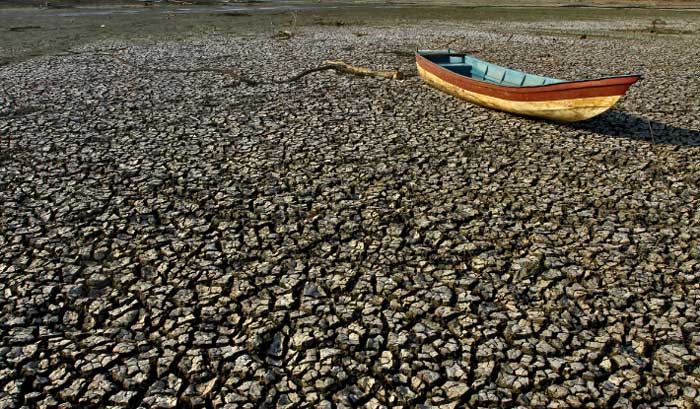
The United Nations has warned that countries around the world must prepare for the likely return of El Niño, a powerful climate pattern that could trigger extreme weather, disrupt food production and intensify existing climate challenges across Asia.
According to the World Meteorological Organization (WMO), there is an 80 percent chance that El Niño will develop before September and a 90 percent chance before November. Scientists say the phenomenon is especially concerning because it is emerging against a backdrop of human-driven climate change, potentially amplifying its effects.
From heatwave-hit India to flood-prone China and drought-vulnerable Southeast Asia, millions of people could face severe consequences in the months ahead.
India Faces Threat of Intensified Heat and Weak Monsoon
For India, the greatest concern is that El Niño could worsen already extreme temperatures while weakening the annual southwest monsoon, which is crucial for agriculture, water supplies and economic stability.
Meteorologists have already projected below-average monsoon rainfall this year. If El Niño delays the arrival of rains, heatwaves that have scorched large parts of the country could persist longer, increasing health risks and putting additional strain on power supplies.
The agricultural sector remains particularly vulnerable. Farmers depend heavily on monsoon rains for sowing crops, and reduced rainfall could hurt production of key food staples while worsening drought conditions. Heat stress has already affected wheat and mustard crops in several regions, raising concerns about food security.
Agricultural expert Devinder Sharma warned that the combination of extreme heat, climate change and El Niño could create significant challenges for India’s farming sector.
The risks extend beyond rural areas. Major cities such as Mumbai, which relies on rain-fed reservoirs for water, could face shortages if monsoon rains arrive late or fall below normal levels.
China Braces for Floods and Weather Extremes
China is expected to experience a different set of challenges.
Climate authorities have warned that El Niño’s effects could peak during autumn and winter, bringing above-average rainfall to southern China and higher temperatures across much of the country.
Some regions could receive rainfall levels up to 20 percent higher than normal, increasing the risk of flooding and placing additional pressure on already strained infrastructure.
Authorities in Qinghai province on the Tibetan Plateau have warned residents to prepare for potentially unpredictable and extreme weather conditions. Officials have encouraged households to maintain emergency supplies as a precaution.
China has already issued multiple weather alerts for heavy rain and storms, with some southern and eastern regions forecast to receive exceptionally high rainfall totals. Water resource officials have described the flood-control situation as increasingly complex and challenging.
Southeast Asia Faces a Climate “Stress Test”
Experts say Southeast Asia may be among the regions most exposed to El Niño’s impacts.
The phenomenon typically weakens the weather systems that bring rainfall to countries such as Indonesia, Malaysia, Thailand, Singapore and the Philippines. As a result, the region could face prolonged heatwaves, severe droughts and water shortages.
Climate scientists warn that agriculture and hydropower generation are particularly vulnerable. Countries heavily dependent on farming could see lower crop yields, threatening production of rice, palm oil and other critical commodities.
Reduced harvests could contribute to food shortages, higher prices and increased pressure on lower-income households.
Water security is another major concern. Rural communities that rely on rivers, wells and natural water sources may face acute shortages as evaporation rates increase and rainfall declines.
Risks to Health, Energy and Tourism
The effects of a strong El Niño are expected to extend beyond agriculture.
Public health experts warn that prolonged heat could increase heat-related illnesses while creating favorable conditions for mosquito-borne diseases such as dengue and malaria.
Energy systems may also come under strain as demand for cooling rises during periods of extreme heat. Many countries in the region are already grappling with energy market disruptions and higher costs.
Tourism could be affected as well. Popular destinations across Southeast Asia may experience temperatures exceeding 40 degrees Celsius, making outdoor attractions less accessible and potentially reducing visitor numbers.
Meanwhile, dry conditions could increase the risk of forest and peatland fires in Indonesia, producing haze that may spread across neighboring countries, including Singapore and Malaysia.
Climate Change Amplifying the Threat
Climate experts stress that the upcoming El Niño cannot be viewed in isolation.
Professor Benjamin Horton of the City University of Hong Kong said the event is particularly concerning because it is unfolding in a world already warmed by greenhouse gas emissions.
Scientists warn that climate change is increasing the intensity and frequency of extreme weather events, meaning El Niño’s impacts could be more severe than in previous decades.
As governments across Asia prepare for the months ahead, the combination of El Niño and climate change is emerging as one of the most significant environmental and economic challenges facing the region in 2026.
Comments are closed.