
Editors Guild Mourns Passing of Veteran Journalist Sumit Chakravartty
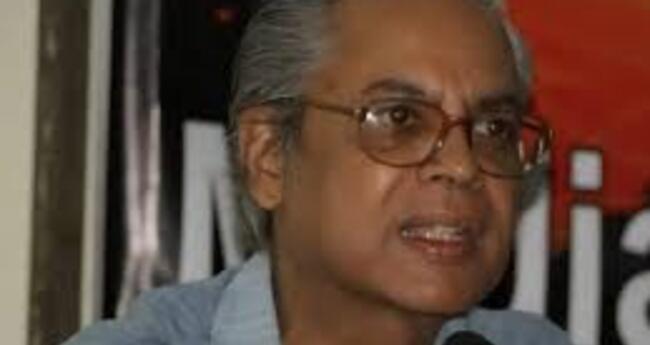
The Editors Guild of India has expressed deep sorrow over the demise of Sumit Chakravartty, the veteran journalist and long-time editor of Mainstream Weekly, who passed away on July 26, 2025, at the age of 79.
Chakravartty, who hailed from Kolkata, had a distinguished journalistic and activist career rooted in values of democracy, secularism, scientific temper, and Gandhian antyodaya. As the son of Nikhil Chakravartty, who founded Mainstream in 1962, Sumit carried forward a legacy of thoughtful critique and fearless commentary.
Legacy and Journalism as Activism
Under his leadership, Mainstream Weekly became a platform for incisive public discourse. During the Emergency in the 1970s and debates on defamation legislation in the 1980s, Chakravartty consistently defended press freedom and editorial independence. He famously refused the Padma Bhushan in 1990, asserting that “journalists should not be identified with the establishment.”
An opinion piece published shortly after his passing described him as a “gentle crusader” whose integrity and intellectual rigor inspired generations. Colleagues recall how Chakravartty combined journalism with activism, supporting initiatives like the Working Group on Alternative Strategies and founding civil society platforms for policy reform and communal harmony.
Guild’s Condolence and Tribute
The Editors Guild of India honoured his contributions by recognizing Sumit as a central figure in media who embodied principle‑driven journalism. The Guild extended heartfelt condolences to his family—including his wife, Gargi, a historian and political leader, and his son, Sagnik, an editor with DD India.
Chakravartty’s passing was acknowledged as a significant loss for Indian journalism — both for his editorial leadership and his unwavering commitment to freedom of expression and ethical reporting.
Impact Beyond the Press
Sumit’s influence stretched beyond writing. He was known for mentoring young journalists and supporting their work—once even personally funding a colleague’s documentary when it faced obstacles. He donated decades of Mainstream archives to a scholarly archive project, supporting historical inquiry and transparency.
His work spanned editorial duties, field reporting, policy analysis, and civil society activism. As one obituary noted, he was “a one-man army” whose activism was inspired by Gandhian values, and who seamlessly translated convictions into lauded journalism.
The loss of Sumit Chakravartty is deeply felt across journalism circles, civil society, and media ethics advocates. The Editors Guild of India rightly mourned the departure of a journalist whose life stood for press freedom, independence, and principled reporting.
Comments are closed.