
Delhi Records First ‘Poor’ Air Quality of Pre-Winter Season; GRAP Stage 1 Curbs Enforced

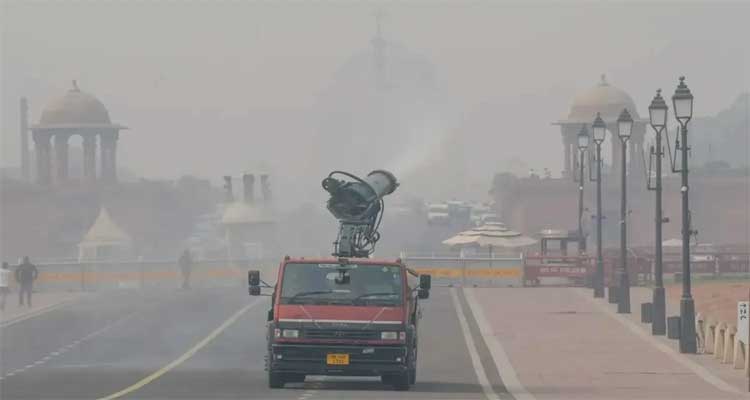
Delhi’s air quality slipped into the “poor” category on Tuesday for the first time this pre-winter season, as the Air Quality Index (AQI) crossed 200 — just a week before Diwali. The Commission for Air Quality Management (CAQM) announced the activation of Stage 1 of the Graded Response Action Plan (GRAP), which mandates stricter dust control and monitoring of open burning.
According to the Central Pollution Control Board (CPCB), Delhi’s 24-hour average AQI stood at 211 at 4 p.m. — the first such reading since June 11, when it reached 245. Experts attributed the dip in air quality to reduced wind speed and falling night temperatures, which trap pollutants closer to the surface.
With Diwali approaching, air quality is expected to worsen further due to firecracker emissions, coupled with vehicular pollution and stubble burning in neighbouring states. Forecasts from the Centre’s Air Quality Early Warning System (EWS) predict no improvement in the coming days, warning that the AQI may enter the “very poor” range around or after Diwali.
The CAQM directed agencies across the National Capital Region (NCR) to strictly implement and monitor GRAP Stage 1 measures to prevent further deterioration. “All implementing agencies shall keep strict vigil and intensify measures… Citizens may be requested to adhere to the citizen charter under GRAP Stage-I,” the order stated.
Key Restrictions Under GRAP Stage 1
Stage 1 of the plan focuses on reducing emissions from dust, vehicles, and industrial activity. Measures include:
-
Regular mechanised road sweeping and water sprinkling to control dust.
-
Enhanced use of anti-smog guns and dust suppression at construction and repair sites.
-
Strict enforcement against open burning of biomass or municipal waste.
-
Tightened checks on vehicle emissions and adherence to Pollution Under Control (PUC) norms.
-
Impounding or penalising visibly polluting vehicles.
-
Enforcement of court orders restricting truck entry into Delhi via peripheral expressways.
-
Ban on use of overaged diesel and petrol vehicles as per NGT and Supreme Court directives.
-
Strict compliance with firecracker bans.
-
Prohibition of diesel generator sets as regular power sources.
-
Mandatory use of electricity or clean fuels in hotels, restaurants, and eateries.
-
Encouraging shared commuting or carpooling for office employees to reduce traffic emissions.
Officials said the CAQM would continue to monitor the air quality closely and review the situation periodically to decide on the need for stricter measures.
Comments are closed.