
Decoding Brand Choices: Needonomics and Consumer Wisdom in Street Economics

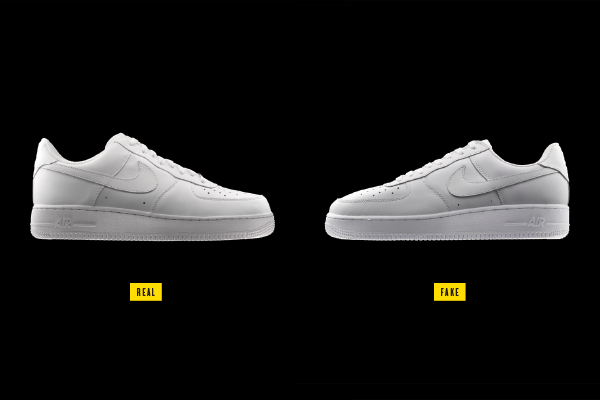
In an era where brands dominate the marketplace, the interplay between originals, duplicates, and consumer decision-making has become a critical area of study. The concept of Needonomics—an economic framework emphasizing need-based consumption over want-based indulgence—offers a fresh lens to examine how consumers navigate the complex world of branded goods. This article explores the dynamics of original products, their counterfeit duplicates, and the role of consumer wisdom as a form of street economics. By blending insights from marketing research, consumer psychology, and economic theory, we uncover how individuals make choices in a market flooded with authentic and imitation products, and how these choices reflect broader economic and social behaviors.
Needonomics: A Paradigm of Purposeful Consumption
Needonomics, a term rooted in prioritizing essential needs over superfluous wants, redefines consumer behavior in the context of brand consumption. Unlike traditional economics, which often assumes rational actors driven by utility maximization, Needonomics emphasizes sustainable and mindful consumption. It encourages consumers to focus on what they truly need rather than succumbing to the allure of brand-driven desires. This framework is particularly relevant in today’s market, where brands wield significant influence over purchasing decisions through emotional, social, and functional appeals.
Brands, as noted in marketing literature, are among the most valuable assets companies possess, often shaping consumer preferences through perceived quality, packaging, and cultural associations. However, the rise of duplicates—counterfeit or imitation products—complicates this dynamic. Needonomics challenges consumers to question whether their purchases align with genuine needs or are driven by brand-induced desires, particularly when duplicates offer similar functionality at a lower cost.
Originals vs. Duplicates: The Brand Authenticity Dilemma
The Power of Original Brands
Original brands derive their value from a combination of intrinsic (e.g., quality, design) and extrinsic (e.g., brand name, country of origin) factors. Research highlights that perceived quality, influenced by packaging and brand reputation, plays a pivotal role in consumer preferences. For instance, luxury brands like Nespresso leverage their brand identity to foster a sense of exclusivity and status, encouraging consumers to pay premium prices for perceived social and emotional value. These brands create a narrative of authenticity, aligning with consumers’ self-concepts and social aspirations.
The Recognition Heuristic (RH), proposed by Gigerenzer and colleagues, suggests that consumers often choose recognized brands over lesser-known alternatives, associating familiarity with quality. This heuristic is particularly effective in markets where brand recognition is high, as seen in the success of companies like Apple or Rolex, which command loyalty through consistent quality and cultural resonance.
The Rise of Duplicates
Duplicates, ranging from high-quality replicas to outright counterfeits, challenge the dominance of original brands. These products often mimic the appearance and functionality of originals at a fraction of the cost, appealing to price-conscious consumers. In some cases, duplicates are nearly indistinguishable from originals, raising questions about the true value of brand authenticity. For example, in the fashion and electronics industries, counterfeit goods flood markets, capitalizing on brand recognition without the associated production costs.
However, duplicates come with risks. They may lack the durability, safety, or ethical production standards of originals, potentially harming consumers and undermining brand trust. Moreover, the proliferation of counterfeits can erode brand equity, as seen in cases where luxury brands lose their exclusivity due to widespread imitation. Needonomics encourages consumers to weigh these trade-offs, prioritizing quality and ethical considerations over short-term savings.
Consumer Wisdom: Navigating the Brand Landscape
Consumer wisdom, often referred to as street economics, reflects the practical, experience-based knowledge consumers use to make informed choices in a complex market. This wisdom manifests in several ways:
-
Value Assessment: Consumers increasingly evaluate brands based on their alignment with personal and social values. Studies show that 63% of consumers prefer to purchase from purpose-driven brands that reflect shared values, such as sustainability or social responsibility. Needonomics aligns with this trend, urging consumers to prioritize brands that deliver functional and ethical value over mere prestige.
-
Skepticism of Marketing Tactics: Savvy consumers recognize that brands often use emotional and social cues to drive purchases. For instance, neuromarketing techniques leverage brain and biometric data to manipulate consumer preferences, raising ethical concerns about privacy and autonomy. Consumer wisdom involves critically assessing these tactics, distinguishing between genuine quality and manufactured desire.
-
Social Influence and Uniqueness: Social media and online communities amplify the tension between brand congruence (aligning with a brand’s image) and the need for uniqueness (NFU). Research indicates that while brand similarity enhances satisfaction, a high NFU can reduce engagement with brands perceived as too common. Consumers practicing street economics balance these factors, choosing brands that reflect their identity while avoiding over-saturation.
-
Economic Pragmatism: In an era of rising costs and economic uncertainty, consumers are adopting a “squeezed but splurging” mindset, prioritizing thoughtful spending on experiences and quality goods over frivolous purchases. This pragmatic approach aligns with Needonomics, as consumers seek value-driven purchases that enhance their quality of life without compromising financial stability.
Street Economics: Consumer Wisdom in Action
Street economics encapsulates the grassroots, intuitive strategies consumers employ to navigate the brand landscape. Unlike formal economic models, street economics is dynamic and context-specific, shaped by social influence, personal experiences, and economic realities. For example, Gen Z consumers, projected to become the wealthiest generation, prioritize experiential spending (e.g., travel, dining) and premium products that align with their values. This reflects a shift from traditional consumerism to a more discerning, need-based approach.
Social influence plays a significant role in street economics. The Friedkin-Johnsen model illustrates how social networks shape consumption choices, with individuals influenced by peers’ preferences and societal trends. In the context of originals and duplicates, consumers may choose imitations to conform to social norms or signal status affordably, while others opt for originals to express individuality or ethical alignment.
Moreover, street economics involves adapting to economic disruptions. McKinsey’s 2025 Consumer Report notes that post-COVID behaviors, such as reliance on digital platforms and value-driven spending, have become permanent. Consumers leverage online reviews, social media, and AI-powered tools to make informed decisions, reflecting a sophisticated understanding of brand value and authenticity.
The Ethical and Economic Implications
The interplay between originals, duplicates, and consumer wisdom raises ethical and economic questions. Counterfeit goods, while appealing to budget-conscious consumers, often involve unethical labor practices and environmental harm. Needonomics encourages consumers to consider these broader impacts, prioritizing brands that uphold sustainable and responsible practices.
Economically, the rise of duplicates challenges traditional brand valuation models. If consumers increasingly opt for cheaper alternatives without sacrificing perceived quality, brands may need to rethink their strategies, focusing on innovation, transparency, and consumer engagement. Companies that leverage AI-driven insights and social listening tools can better align with consumer needs, fostering loyalty in a competitive market.
Decoding brand choices through the lens of Needonomics reveals a complex interplay between authenticity, imitation, and consumer wisdom. Needonomics offers a framework for navigating this landscape, urging consumers to prioritize needs over wants and critically evaluate brand value. Originals provide quality and cultural resonance, while duplicates offer affordability but carry risks. Through street economics, consumers harness practical wisdom to make informed choices, shaped by social influence, economic realities, and personal values. As brands evolve in a digital, value-driven world, those that align with consumer needs and ethical standards will thrive, while consumers empowered by wisdom will redefine the marketplace.
Comments are closed.