
‘Dangerous and irresponsible’: Sheikh Hasina warns on anti-India remarks over Northeast, Chicken’s Neck amid Bangladesh unrest

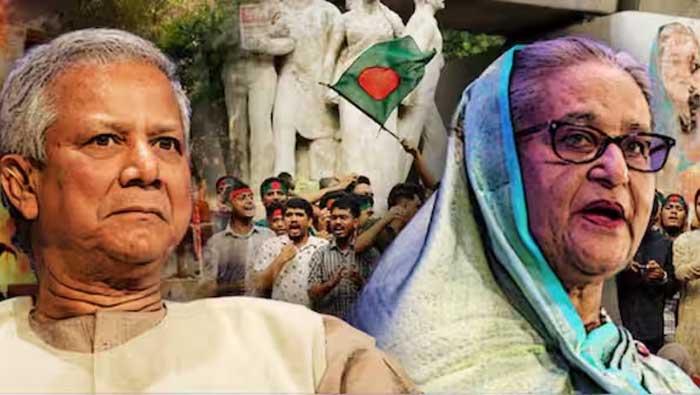
Ousted former Bangladesh Prime Minister Sheikh Hasina has termed recent remarks by a Bangladeshi politician referring to India’s Northeast and the strategic Siliguri Corridor — known as the “Chicken’s Neck” — as “dangerous”, saying they reflect the growing influence of extremist elements under the Muhammad Yunus-led interim regime.
National Citizen Party (NCP) leader Hasnat Abdullah, in a fiery speech, recently claimed that Bangladesh could shelter separatist forces from India and cut off the country’s seven northeastern states — often called the “Seven Sisters” — from the mainland.
The narrow Siliguri Corridor in West Bengal connects mainland India to the Northeast and is considered one of the world’s most sensitive strategic bottlenecks.
“Such statements are dangerous and irresponsible, reflecting the extremist elements that have gained influence under Yunus. No serious leader would threaten a neighbour upon whom Bangladesh depends for trade, transit and regional stability,” Hasina said in an email interview to news agency ANI.
‘India has every right to raise concern’
Hasina’s remarks come amid fresh violence in Bangladesh following the death of radical student leader Sharif Osman Hadi.
Addressing the surge in anti-India rhetoric, the Awami League supremo said such statements “serve only ideological fantasies, not Bangladesh’s national interests”. India, she asserted, has every right to view them with concern.
“These voices do not represent the Bangladeshi people, who understand that our prosperity and security depend on strong ties with New Delhi,” Hasina said, adding that once democracy is restored and responsible governance returns, such reckless talk will end.
She further alleged that the current strain in India-Bangladesh relations is “entirely of Yunus’s making”, accusing the interim government of issuing hostile statements against India, failing to protect religious minorities, and allowing extremists to influence foreign policy.
“When a government does all this and then expresses surprise at rising tensions, it only exposes its own failures,” she said.
Calling India Bangladesh’s “most steadfast friend and partner” for decades, Hasina described bilateral ties as “deep and fundamental”. She added that the relationship would outlast any temporary government and expressed confidence that once legitimate governance is restored, Bangladesh would return to the pragmatic partnership built over the past 15 years.
Comments are closed.