
Crude shock for India as New Delhi emerges most vulnerable to Iran war

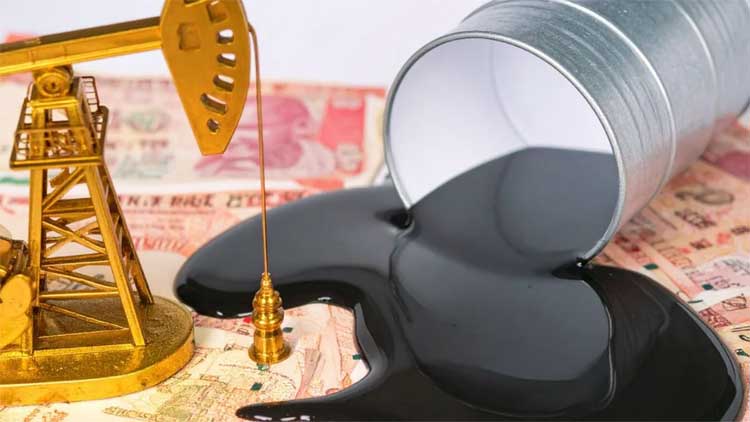
The escalating war in Iran has laid bare a structural weakness in India’s economic engine — a dangerously thin oil buffer. With Israeli and US strikes effectively shutting down the Strait of Hormuz, the world’s most critical energy corridor, New Delhi finds itself racing against a clock ticking far faster than those of its regional peers.
While major Asian economies such as China remain heavily dependent on Persian Gulf crude, India’s “just-in-time” approach to energy security has left it exposed.
Iran war impact on India, China
The contrast in preparedness is stark. Beijing has spent years aggressively building its strategic petroleum reserves, whereas India’s cushion remains limited.
“China has at least six months’ worth of crude supplies in storage,” Ajay Parmar, director of energy and refining at ICIS, told Reuters. “Indian inventories are much lower, making it significantly more vulnerable in this situation.”
Official assurances also appear to clash with industry assessments. Oil Minister Hardeep Singh Puri recently told lawmakers that India’s combined crude and fuel stocks could last 74 days. However, industry sources estimate a much tighter window — closer to 20 to 25 days of consumption.
By comparison, Japan and South Korea — despite near-total reliance on Middle Eastern oil — hold reserves sufficient for 254 days and 208 days, respectively.
A forced pivot
The disruption comes at an especially sensitive moment for Prime Minister Narendra Modi’s government. As of January, the Middle East accounted for 55% of India’s crude imports — about 2.74 million barrels per day.
That dependence had recently deepened after Indian refiners, wary of strained ties with Washington, began trimming purchases of discounted Russian oil. With the Strait of Hormuz now effectively off-limits, New Delhi faces a geopolitical bind.
The oil ministry said it would take “all necessary steps” to ensure affordability, but viable options are narrowing. Markets are now watching for a potential shift in US policy. If Washington eases the proposed 25% tariffs on Russian imports, India could find temporary relief. US Secretary of State Marco Rubio has indicated that the Treasury and Energy departments will soon outline price-mitigation measures, though it remains unclear whether Russian sanctions relief is under consideration.
Global contagion
The fallout extends far beyond Asia. A prolonged disruption in the Strait of Hormuz would trigger a global scramble for every available incremental barrel, analysts warn.
Europe faces particular vulnerability in jet fuel supplies, with the Middle East accounting for 45% of its seaborne imports. Even the United States — the world’s top oil producer — is unlikely to remain insulated from price shocks.
For now, Washington has opted not to tap its Strategic Petroleum Reserve, signaling no immediate plans for a release. India, lacking such a vast state-controlled buffer, may find the coming weeks a severe test of whether its economy can withstand a prolonged squeeze on its most vital commodity.
Comments are closed.