
COP30: Your Guide to the 2025 UN Climate Conference

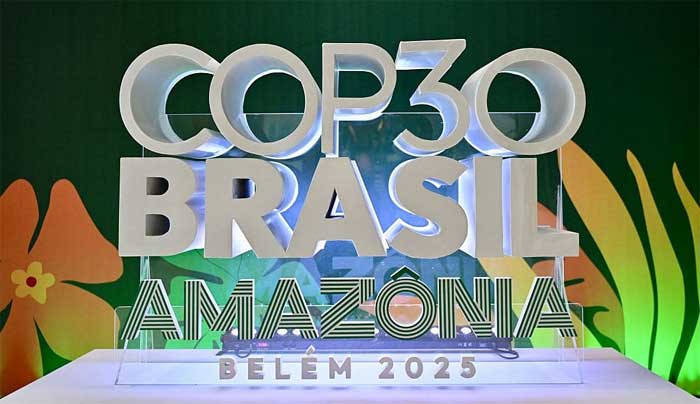
The next UN Climate Conference (COP30) will be held from November 10–21, 2025 in Belém, the capital of Brazil’s Pará state. This guide covers the basics of COP meetings, a recap of COP29, and what to expect for COP30.
What is a COP and Why Does It Matter?
COP stands for Conference of the Parties, the annual high-level meeting organized under the UN Framework Convention on Climate Change (UNFCCC).
Climate COPs are crucial because they:
-
Bring together delegates from nearly every country to negotiate global climate goals.
-
Allow nations to present and review their climate action plans.
-
Promote international cooperation on climate mitigation, adaptation, and finance.
COP30 in Belém follows COP29 in Baku, Azerbaijan (2024), which saw nearly 200 countries convene to coordinate climate action.
Recap of COP29
COP29 had a mixed outcome:
-
Countries agreed to mobilize US $300 billion per year by 2035, below the $1 trillion experts say is needed for global climate protection.
-
There was also a broader call for public and private actors to collectively mobilize an additional US $1 trillion annually for developing countries by 2035.
-
Positive developments included agreements to regulate carbon markets and renewed climate commitments from Brazil and other nations.
The challenge remains: turning ambition into action through governments, banks, investors, and civil society.
Financing Climate Action
TNC’s Playbook for Climate Finance outlines a decade of breakthroughs and 10 strategies for funding solutions that protect nature, combat climate change, and strengthen communities.
What to Expect at COP30
Key areas of focus for COP30 include:
-
Climate Finance Roadmap: Operationalizing the US $1.3 trillion goal with clear mechanisms for tracking and mobilizing private capital.
-
Stronger NDCs: Encouraging nations to submit enhanced 2035 climate plans aligned with the 1.5°C target.
-
Adaptation Metrics: Establishing practical Global Goal on Adaptation indicators and funding mechanisms.
-
Just Transition & Loss & Damage: Creating equitable frameworks for workers, vulnerable countries, and scaling loss & damage support.
-
Implementation & Accountability: Moving from pledges to actionable projects with stronger reporting and oversight.
COP30 Goals
TNC and partners aim to:
-
Accelerate renewable energy adoption and phase out fossil fuels.
-
Invest US $1.3 trillion in nature-positive projects and climate solutions.
-
Build climate-resilient societies, empowering Indigenous Peoples and local communities.
-
Ensure inclusive, equitable climate governance with active participation of marginalized groups.
Why COP30 Matters for Brazil
Brazil plays a strategic role in global climate action, particularly in the Amazon. COP30 is expected to advance:
-
Nature-based solutions, including forest restoration and REDD+ programs.
-
Sustainable agriculture and socio-bioeconomy initiatives, such as cattle traceability.
-
Tropical Forest Forever Fund (TFFF) with at least 20% participation from Indigenous Peoples and local communities.
-
Implementation of the Baku-to-Belém Roadmap, delivering US $1.3 trillion for climate finance, adaptation, and just transition initiatives.
Brazil is poised to showcase leadership in climate, biodiversity, and sustainable development on the global stage.
What We Can Do
Every action counts. Individual and collective efforts—reducing carbon, conserving nature, and supporting climate policies—contribute to meaningful change. COP30 is an opportunity for global coordination, but local actions are equally important.
COP30 2025 in Belém promises to be a milestone for climate finance, adaptation, and equity, with a spotlight on nature-based solutions and Brazil’s leadership in sustainable development.
Comments are closed.