
COP30 in Brazil: High Costs Threaten Participation for Young Climate Activists

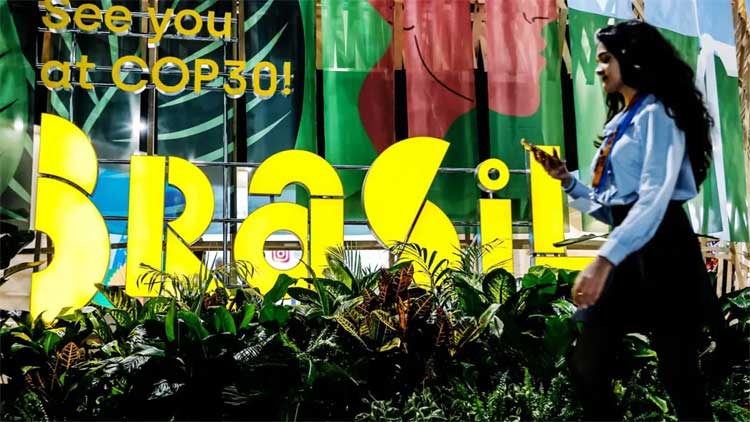
As the countdown to the United Nations climate summit, COP30, nears, young climate activists are scrambling for affordable accommodation in Belem, Brazil, where skyrocketing hotel prices are creating barriers for participation.
London-based Pooja Tilvawala, founder and executive director of the Youth Climate Collaborative, has invested over $46,000 of her own savings to secure housing for young attendees. “There’s always a huge number of fossil fuel company representatives there. And who’s going to be there to combat those voices?” she said. Tilvawala has negotiated contracts, arranged deposits, and created a housing portal—but risks losing her investment if participation falls short.
With less than two months to go, only 36% of the 196 participating countries have confirmed attendance and paid for lodging. Activists and representatives from poorer nations face exorbitant nightly rates—often several hundred dollars—and some have already opted out.
The Brazilian government has responded with measures to ease the crunch, offering 10–20 rooms at “accessible prices” for vulnerable nations and providing two cruise ships to house up to 6,000 participants. Climate Minister Marina Silva emphasized, “Everybody will have access to participate in COP30…especially those already living the consequences of climate change.”
Yet logistical hurdles persist. A construction strike affecting conference facilities, combined with COP30’s strict international standards, has complicated arrangements for locals and organizers. Affordable accommodations in Belem range from $200 to $600 per night, still a significant burden for many.
The situation has sparked concern among youth organizations and NGOs. Hailey Campbell, of Care About Climate, noted that her group has “never faced such difficulties with access to accommodation.” Hikaru Hayakawa, executive director of Climate Cardinals, warned that the shortage may prevent many international activists from experiencing Brazil’s strong civil society networks, potentially limiting the summit’s global collaboration.
Despite these challenges, Tilvawala remains committed. “We need to be here,” she said. Her efforts reflect a broader determination among young climate advocates to ensure that financial barriers do not silence their voices at one of the year’s most important environmental gatherings.
Comments are closed.