
COP30 Faces ‘Hosting Crisis’ in Brazil’s Belém Over Soaring Hotel Prices, Infrastructure Gaps

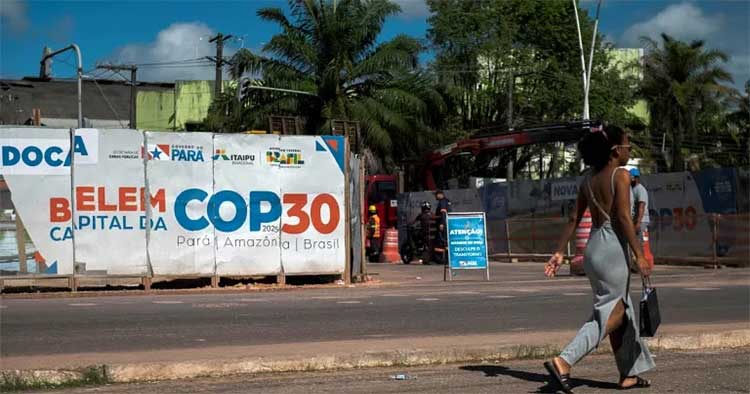
COP30, the UN climate summit set for November in Belém, Brazil, is facing a controversy unrelated to the climate agenda — what local media are calling a “hosting crisis.”
André Corrêa do Lago, president of COP30, revealed that several countries have pressured Brazil to shift the summit from Belém due to “exorbitant” hotel prices. Some delegations are even weighing reducing their participation. The Brazilian government, however, insists the event will stay in the Amazonian city.
Roots of the Crisis
The problems stem from limited hotel capacity — fewer than 50,000 beds for an expected flood of delegates — and steep price hikes by hotel chains, which raised rates sharply once COP30 was confirmed. Critics also point to longstanding prejudice against Amazonian cities, arguing that much of the debate is shaped by assumptions that Belém is unfit to host such a global gathering.
Historically, Belém was a thriving hub during Brazil’s 17th-century rubber boom and once outpaced São Paulo in population and modernity. But the region’s decline left the city with deep infrastructure challenges and social inequalities.
Attempts at Solutions
To ease the accommodation crunch, Brazil’s federal government plans to dock two ocean liners in Belém, adding 6,000 beds, and has launched an online platform listing another 2,500 rooms. Still, with demand far outstripping supply, options remain limited.
Possible alternatives include UN subsidies to help developing countries afford higher costs, or housing delegations in nearby cities. Yet with the summit fast approaching, concerns remain that attendance could fall short — threatening the legitimacy of decisions taken at COP30.
Beyond Logistics
Local leaders warn that criticism risks reinforcing stereotypes about the Amazon. “This is not a time for greed,” one official noted, urging Belém to showcase its hospitality, culture, and the urgency of protecting the rainforest. After all, as many argue, no one understands the Amazon better than the Amazonians themselves.
Comments are closed.