
COP30 Explained: Why the Climate Summit in the Amazon Matters

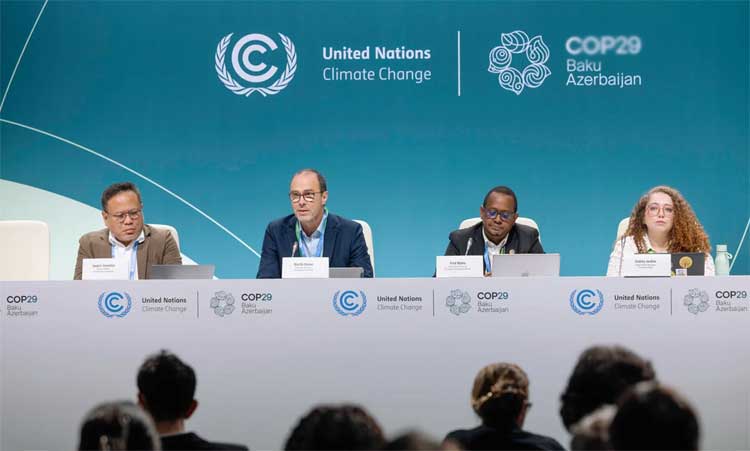
For many, COPs (Conferences of the Parties) sound like endless speeches and photo ops—and sometimes they are. But these annual UN climate summits are also one of the most important tools we have to tackle the climate crisis together. With COP30 set in Belém, Brazil, on the edge of the Amazon rainforest, here’s what you need to know.
1. What is a COP?
A COP is the annual UN climate summit under the United Nations Framework Convention on Climate Change (UNFCCC), the international treaty established in 1992.
-
Participants: 198 countries, making it one of the largest UN multilateral bodies.
-
Purpose: Negotiate ways to limit global warming, cut greenhouse gas emissions, and support communities already impacted by climate change.
-
Attendees: World leaders, negotiators, scientists, Indigenous leaders, youth activists, journalists, and lobbyists.
Think of it as a giant global group project: messy, complicated, but essential.
2. Why COPs Matter
Climate change knows no borders:
-
Droughts in one region affect global food prices.
-
Melting glaciers impact communities thousands of kilometres away.
-
Heatwaves claim lives far from the source of emissions.
COPs are the only global forums where countries can cooperate to tackle problems no single nation can solve alone. Without them, each country would fend for itself in a planetary emergency.
3. COP Achievements So Far
-
COP21 (Paris, 2015): The Paris Agreement set the target to limit warming well below 2°C, aiming for 1.5°C.
-
COP27 (Sharm el-Sheikh, 2022): Creation of the Loss and Damage fund to aid vulnerable countries.
-
COP28 (Dubai, 2023): Fossil fuels were officially named as the root cause of the climate crisis.
-
COP29 (Baku, 2024): Climate finance pledges were made, though considered insufficient.
These successes were driven by people power—Indigenous leaders, campaigners, and citizens demanding accountability.
4. Lobbyists vs People Power
COPs are often criticized as talk shops dominated by corporate lobbyists. At COP28, fossil fuel representatives outnumbered nearly every national delegation.
Civil society, Indigenous communities, youth, and activists are essential inside COP halls to:
-
Hold governments accountable
-
Challenge greenwashing
-
Amplify marginalized voices
Change comes not just from leaders, but from relentless pressure by people everywhere.
5. The Stakes Are High
Current national pledges put the world on track for up to 3.1°C of warming this century. To meet the 1.5°C goal, emissions need to drop 43% by 2030 compared to 2019 levels—and go further by 2035.
The decisions made at COPs can literally remove or add gigatonnes of carbon from the atmosphere—affecting millions of lives, biodiversity, and the planet’s future.
Why COP30 Is Critical
-
Location: Belém, at the gateway to the Amazon, one of the world’s most crucial carbon sinks.
-
Timing: 10 years since the Paris Agreement, a key moment to strengthen climate pledges.
-
Urgency: The Amazon is nearing a tipping point where it could release more carbon than it absorbs.
COP30 is a moment for bold action, not empty negotiations. Governments must move from promises to implementation—and citizens must keep the pressure on.
Bottom Line: Hope comes from action. Marching, voting, protecting forests, holding polluters accountable—change requires everyone, everywhere. COP30 matters because it’s one of the few forums where global cooperation can still make a real difference.
Comments are closed.