
COP30 and G20 Signal a Deepening Crisis in Multilateralism

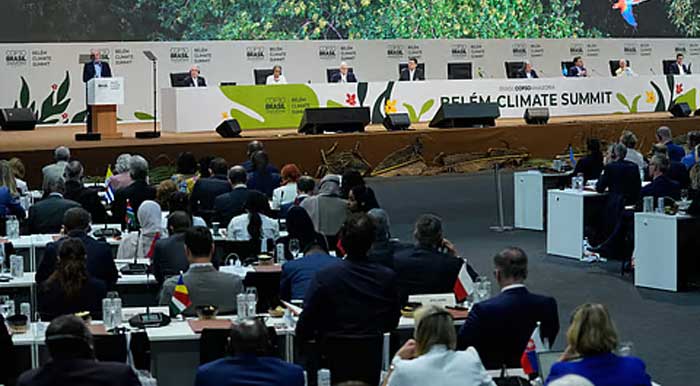
The Union environment minister Bhupender Yadav returned from COP30 in Brazil calling the summit “a victory for multilateralism.” In reality, the conclave underlined how fragile global cooperation has become.
Despite hopes that COP30 would lay out a clear path for wealthy nations to honour climate-finance commitments, the summit ended without progress on its core objective: phasing out fossil fuels. Oil-producing nations, led by Saudi Arabia and Russia, blocked any reference to a fossil-fuel phase-out in the final text, undoing the modest breakthrough achieved at COP28, where countries had agreed to “transition away from fossil fuels.”
The United States skipped COP30 entirely, with President Donald Trump dismissing climate negotiations as a “con job.” India, the world’s third-largest emitter, arrived without an updated Nationally Determined Contribution (NDC), even as over 120 countries have already submitted theirs. With more than 70% of India’s power still generated from coal, New Delhi continues to rely on its longstanding argument that historical polluters in the West must take primary responsibility for climate finance and mitigation.
Climate negotiators warned that without a global agreement to phase out fossil fuels — responsible for more than 75% of greenhouse-gas emissions — the Paris Agreement targets remain unattainable. Scientists now project a temperature rise of up to 2.8°C by the end of the century, even with aggressive emissions cuts.
Multilateralism appears to be weakening beyond the climate arena. The G20 summit in Johannesburg similarly exposed widening fractures. Despite South African President Cyril Ramaphosa’s efforts, the summit made no headway on the escalating debt crisis facing developing nations. The US boycotted the meet, citing the fabricated issue of “persecution of white farmers” in South Africa. Trump’s absence derailed attempts to build consensus on debt-relief reforms. As the summit closed, Ramaphosa withheld the ceremonial gavel from Washington, prompting Trump to retaliate by declaring that South Africa would not be invited to the next G20 summit — a move with no clear precedent or legal backing.
From COP30 to the G20, the pattern is unmistakable: global cooperation is fraying, and unilateralism — particularly from major powers — is fast replacing collective action.
Comments are closed.