
Climate report warns India’s coastal cities face rising flood, heat and sea-level risks by 2040

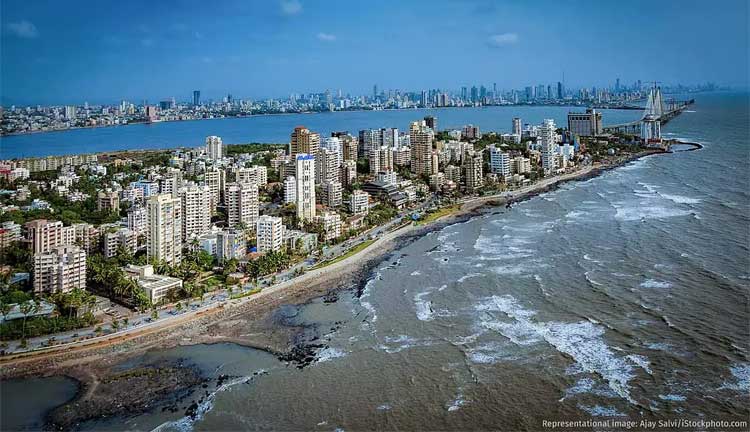
A new climate assessment by researchers at Azim Premji University has raised alarm over the increasing vulnerability of India’s coastline to climate change, warning that several coastal regions could face severe environmental and economic challenges by 2040.
Based on an analysis of India’s nearly 11,000-kilometre coastline, the report highlights escalating threats from sea-level rise, extreme rainfall, flooding, heatwaves and stronger cyclones across major coastal cities.
Gujarat among the most vulnerable states
The report identifies Gujarat as one of the states most exposed to climate-related risks, with key coastal cities facing multiple environmental threats.
Surat, one of the country’s fastest-growing urban centres, has been classified as highly vulnerable due to the combined risks of flooding, extreme heat and cyclonic activity originating in the Arabian Sea.
Other Gujarat cities highlighted in the report include:
- Bhavnagar: Threatened by coastal subsidence, increased salinity and storm surges.
- Porbandar: Vulnerable to cyclones, sea-level rise and disruptions to fisheries and coastal livelihoods.
Researchers noted that rising global temperatures are amplifying weather-related hazards across the state’s coastal belt, increasing pressure on infrastructure and communities.
Major coastal cities at risk
Beyond Gujarat, the report flags several major coastal cities and regions across India as highly vulnerable to climate impacts.
Mumbai
Mumbai faces a “triple threat” from rising sea levels, storm surges and increasingly intense rainfall events, raising the risk of recurrent flooding in low-lying areas.
Chennai and Tamil Nadu coast
The report warns of stronger cyclones, urban flooding, coastal erosion, heavy rainfall and saltwater intrusion into freshwater resources, all of which could significantly affect communities and infrastructure.
East Coast cities
Cities such as Visakhapatnam, Kakinada, Puri and Paradip are expected to experience stronger cyclones and heightened flood risks as sea-surface temperatures continue to rise in the Bay of Bengal.
Kerala coast
Kochi and Kozhikode could witness more frequent episodes of high wet-bulb temperatures — a dangerous combination of heat and humidity — along with heavier rainfall, flooding and coastal erosion.
West Bengal and the Sundarbans
The report highlights growing flood risks in Kolkata, Haldia and the Sundarbans region due to the combined effects of rising river levels and sea-level rise, threatening agriculture, ecosystems and human settlements.
Stronger cyclones and rising seas
Researchers say climate change is increasing the intensity of cyclones in both the Arabian Sea and Bay of Bengal. At the same time, melting Himalayan glaciers and warming oceans are contributing to rising sea levels and greater uncertainty in weather patterns.
These changes are expected to place increasing pressure on coastal populations and critical infrastructure over the coming decades.
Economic and livelihood concerns
The report warns that climate-related disruptions could severely affect sectors that support millions of people, including fisheries, agriculture, tourism, shipping and port operations.
Critical infrastructure such as roads, housing, power systems and ports may also face growing risks from frequent floods, storms and heat events.
Call for urgent action
To reduce future risks, the researchers have called for immediate investment in climate-resilient infrastructure, improved flood management systems, restoration of coastal ecosystems and better urban planning.
Without timely intervention, the report warns, many of India’s coastal cities could face deeper flooding, more intense rainfall, stronger storms and increasingly dangerous heat conditions within the next 15 years.
Comments are closed.