
Climate change made Australia’s January heatwave five times more likely: study

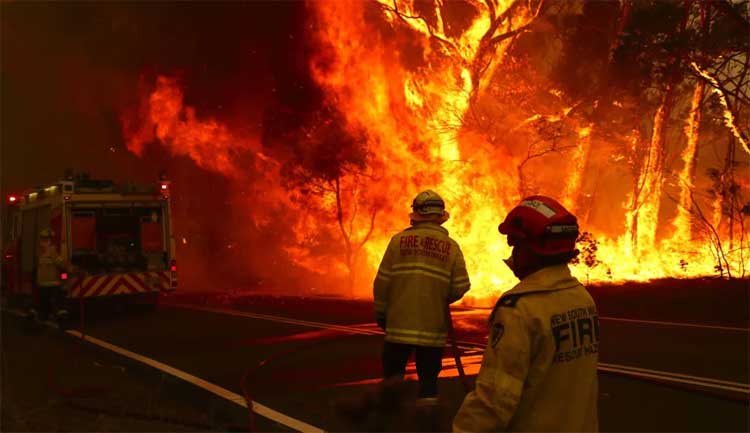
The intense heatwave that hit south-eastern Australia in the second week of January 2026 was made significantly hotter and five times more likely by human-driven climate change, according to a new analysis by the World Weather Attribution (WWA) group released on January 22.
The heatwave unfolded despite weak La Niña conditions in the equatorial Pacific, which typically bring cooler weather to Australia. Researchers found that climate change added around 1.6°C to the event, pushing temperatures to dangerous levels and sharply increasing the risk of bushfires and health emergencies.
Between January 5 and 10, maximum temperatures crossed 40°C in several major cities, including Melbourne and Sydney. Melbourne recorded 44.4°C on January 9, as hot, dry conditions combined with strong winds to create fire-prone weather comparable to the deadly 2009 Black Saturday bushfires.
Hospitals came under strain, with one Melbourne facility reporting a 25 per cent rise in emergency admissions. Elderly people, outdoor workers, those in poorly cooled housing, and individuals with pre-existing illnesses were among the worst affected. Clinicians in regional South Australia also reported worsening mental health cases linked to extreme heat.
WWA scientists said that in today’s climate — about 1.3°C warmer than the pre-industrial era — such a heat event can be expected roughly once every five years. In a world without global warming, it would likely occur only once every 25 years. If global temperatures rise to around 2.6°C, similar heatwaves could strike every two years.
Despite the severity, the report highlighted one positive development: solar power supplied about 60 per cent of peak electricity demand, with rooftop solar contributing two-thirds of that share.
“The impact of climate change far outweighed natural climate variability,” said Ben Clarke of Imperial College London. “The added heat turned a difficult week into a dangerous one.”
Climate scientists warned that as extreme heat shifts from a rare event to a regular occurrence, Australia’s ability to adapt — particularly for vulnerable communities — is being pushed to its limits.
Comments are closed.