
Climate Change Is Fueling Dangerous Downbursts, Posing New Threats to Air Travel in Eastern Australia

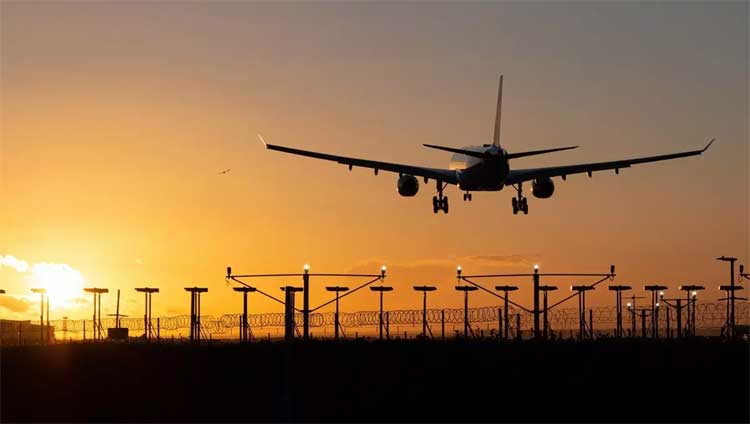
A Qantas Boeing 737 encountered unexpected severe turbulence during its descent into Brisbane on May 4, 2024, leaving several passengers and crew injured. The Australian Transport Safety Bureau (ATSB) later concluded the intensity of the turbulence caught the captain off guard.
Such incidents may become more frequent. Thunderstorms, especially those producing violent updrafts and sudden downward airflows called downbursts, are a known hazard to aviation. These microbursts — compact, intense wind gusts just a few kilometers wide — have already been linked to multiple aviation accidents globally.
Now, new research suggests that global warming is intensifying these downbursts across eastern Australia, making flying riskier, particularly during takeoff and landing. Using machine learning models and meteorological data, researchers identified rising heat and moisture levels — key climate change indicators — as critical ingredients fueling stronger and more frequent downbursts.
Why Planes Are at Risk
Warmer air holds more moisture — approximately 7% more per 1°C of warming — leading to more energetic thunderstorms. The buildup of heat and water vapor, especially near eastern Australia’s coast, results in storm systems capable of producing violent wind shifts.
These wind changes are most dangerous at low altitudes, during takeoff and landing, when aircraft have less room and time to recover. Microbursts can abruptly push aircraft upward or downward, risking collisions with the ground.
One alarming historical example occurred in November 2016 at Brisbane Airport, when a microburst produced wind gusts reaching 157 km/h, damaging three aircraft parked on the tarmac.
Machine Learning Reveals Alarming Trends
To better predict and understand downburst risks, researchers turned to artificial intelligence. After analyzing decades of weather data using eight machine learning methods, they found that conditions over eastern Australia increasingly support the formation of strong microbursts.
One case study examined a 2018 storm front that caused damaging wind gusts across six regional airports in New South Wales. Such events disproportionately affect small aircraft — typically seating between 4 and 50 passengers — which are more vulnerable to sudden wind shifts.
A Growing Safety Concern
As regional and major airports alike face increased exposure to downburst-driven turbulence, safety protocols may need to evolve. The study calls for greater vigilance at hubs like Sydney and Brisbane and heightened awareness of the dangers posed by low-altitude thunderstorm turbulence.
Despite air travel’s strong safety record — just 1.13 accidents per million flights — surging passenger numbers globally mean even minor increases in risk can have significant consequences.
While much research has focused on high-altitude hazards like jet stream instability, this new study spotlights the growing threat of low-altitude turbulence linked to climate change — and urges air safety agencies to adapt.
In a warming world, flying over eastern Australia may remain routine — but certainly not without new risks.
Comments are closed.