
Climate Change in the Himalayas: Himachal Pradesh and Uttarakhand on the Frontlines

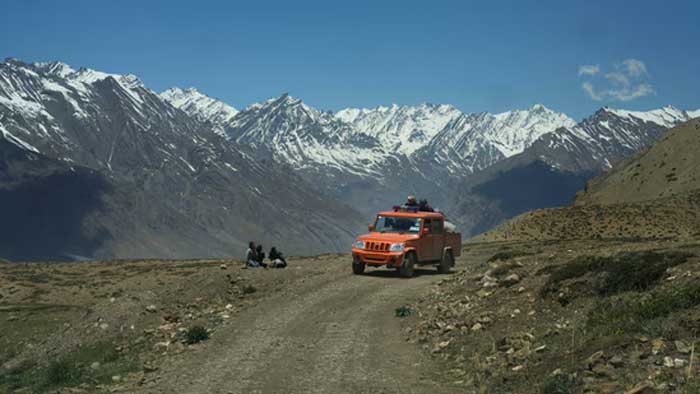
The impact of climate change is being felt across India, but the Himalayan states of Himachal Pradesh and Uttarakhand are among the worst hit. Their unique geography, fragile ecosystems, and climate-sensitive economies make them especially vulnerable to rising temperatures, erratic weather, and environmental degradation.
🌍 Why the Himalayas Are So Sensitive
The Himalayas are one of the world’s youngest and most ecologically fragile mountain ranges. With steep slopes, unstable geology, and diverse microclimates, they are highly susceptible to climate shifts. Rising temperatures are accelerating glacial melt, altering snowfall patterns, and disturbing biodiversity—all of which directly affect local communities.
Key Issues:
-
Glacier Retreat: Glaciers like Gangotri and Yamunotri are shrinking, reducing freshwater supply downstream.
-
Ecosystem Disruption: Rare flora and fauna are at risk as climate zones shift, affecting forestry and tourism.
-
Unpredictable Monsoons: Heavier, more erratic rains are causing flash floods and landslides.
🌧️ Extreme Weather Events on the Rise
1. Heavy Rainfall & Flash Floods
-
Warmer air holds more moisture, leading to intense rain.
-
Uttarakhand’s Kedarnath floods (2013) and Himachal’s July 2023 deluge are key examples.
-
In July 2025 alone, Himachal witnessed 55 flash floods, 28 cloudbursts, and 48 major landslides.
Damage so far this monsoon season in Himachal (as of August 2025):
₹1,852 crore in losses, 108 deaths, 1,738 homes damaged.
2. Landslides
-
Caused by deforestation, unregulated construction, and saturated soil.
-
Himachal recorded over 100 major landslides in 2023.
3. Dry Spells
-
Reduced winter precipitation has led to long dry spells, disrupting agriculture and hydropower—the economic lifelines of both states.
🌊 Glacial Lake Outburst Floods (GLOFs)
Melting glaciers create unstable glacial lakes, which can burst and cause catastrophic floods.
-
Chamoli (2021): A glacial breach killed over 200 and wiped out two hydropower plants.
-
Chandra Basin (HP): Identified as high-risk for future GLOFs.
❄️ Rising Temperatures, Less Snowfall
-
The Himalayas are warming faster than the global average (1.5°C vs. 1.1°C).
-
Less snowfall and earlier snowmelt are affecting winter tourism and water availability.
-
Apple orchards in Himachal—dependent on chilling hours—have seen 20–30% drops in yield over the last decade.
🧨 Recent Climate-Linked Disasters
🗓️ August 5, 2025 – Uttarakhand Flash Flood
At least 4 killed, over 50 missing after a village was hit by sudden flooding. Experts link the rising frequency of such events to climate change and unchecked development.
🗓️ November 2023 – Tunnel Collapse in Uttarakhand
41 workers trapped for 17 days in a collapsed road tunnel. Though the cause was unclear, construction in unstable zones is a growing concern.
🗓️ October 2023 – Sikkim Glacial Lake Outburst
Unseasonal rainfall triggered a lake burst, killing 179 people in northeast India.
🗓️ January 2023 – Joshimath Land Subsidence
Over 200 residents were evacuated after homes developed cracks. Experts blamed over-construction in a geologically sensitive zone.
🗓️ October 2021 – Unseasonal Rains in Uttarakhand
Intense rainfall caused floods and landslides, killing 46 people.
🗓️ February 2021 – Chamoli Flood
A glacial avalanche in Uttarakhand led to massive flooding and over 200 deaths.
🗓️ September 2014 – Kashmir Floods
Extreme rainfall caused the worst flooding in decades, killing nearly 500 across India and Pakistan.
🗓️ June 2013 – Kedarnath Disaster
Early monsoon rains caused flash floods and landslides in Uttarakhand, leaving over 5,800 missing or dead—one of India’s deadliest climate-related disasters.
Comments are closed.