
Climate Change Emerges as Third Major Driver of Global Biodiversity Crisis, Study Warns

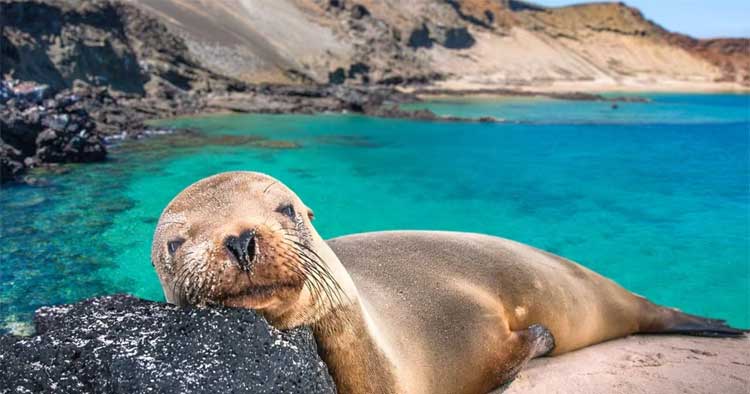
Climate change is rapidly becoming a dominant force in the global biodiversity crisis, alongside overexploitation and habitat destruction, according to a sweeping new analysis that finds at least 3,500 animal species already directly threatened by climate-related impacts.
The study, led by ecologist William Ripple of Oregon State University, reveals that warming temperatures, rising seas, intensifying storms, and prolonged droughts are accelerating the decline of wildlife across the globe. Invertebrates and marine species are among the most vulnerable, facing increasingly hostile environments with little capacity to relocate or adapt.
“We’re at the beginning of an existential crisis for the Earth’s wild animals,” Ripple said. “Until now, biodiversity loss was mainly driven by habitat change and overuse. Climate change is rapidly becoming a third, equally dangerous threat.”
A Grim Snapshot of Species at Risk
Drawing on data from the International Union for Conservation of Nature (IUCN), Ripple’s team analyzed 70,814 species across 35 taxonomic classes. They found that in six invertebrate groups—including arachnids, centipedes, and corals—at least 25% of species face climate-driven threats. Even among mammals, birds, and reptiles, a significant number are increasingly imperiled.
The oceans, which absorb the bulk of excess heat from greenhouse emissions, were singled out as particularly dangerous zones. “Marine invertebrates are especially vulnerable,” Ripple noted, “because they can’t just pack up and leave when temperatures rise.”
The Red List and What’s Missing
The IUCN Red List is the world’s most comprehensive inventory of species’ conservation status, assessing risks based on population size, trends, habitat loss, and threats like poaching or climate change. But the report highlights a staggering data gap: two-thirds of recognized animal classes have no climate risk assessments at all, and only 5.5% of known animal species have been evaluated.
Vertebrates—mammals, birds, reptiles, and amphibians—make up most of the Red List, even though they represent less than 6% of all known animal species. This leaves vast groups of invertebrates, which are vital to pollination, soil health, and ocean food chains, largely unexamined.
Ripple called for urgent investment in assessing overlooked species and establishing a global database to track mass die-offs caused by climate extremes.
Deadly Consequences Already Visible
The report points to recent examples of climate-linked devastation:
-
A 90% drop in mollusk populations off Israel’s coast after a sea-surface temperature spike.
-
The 2021 Pacific Northwest heat dome, which killed billions of mussels, clams, and snails.
-
A 2016 marine heatwave that bleached nearly 30% of Australia’s Great Barrier Reef.
-
A 2015-16 North Pacific warm spell that led to mass starvation of seabirds, reduced fish stocks, and the loss of thousands of humpback whales.
“These mass mortality events ripple through ecosystems, affecting nutrient cycles and even global carbon feedbacks,” Ripple explained.
Bridging Climate and Conservation
The authors urge a paradigm shift in conservation planning—one that integrates climate adaptation and biodiversity protection at all levels. This includes:
-
Real-time tracking of die-offs.
-
Expanded citizen science efforts.
-
Including dispersal ability and genetic diversity in species risk models.
-
More frequent reassessments of climate risk across all species.
As global temperatures edge closer to the 1.5°C danger threshold, Ripple warns that delay will only compound the losses: “Climate change is no longer a future threat for wildlife—it’s a present crisis. Whether we act now will determine how many species can be saved, and how many silently disappear.”
Comments are closed.