
Climate Change Drives Erratic Water Cycle, Triggering Droughts and Floods: UN

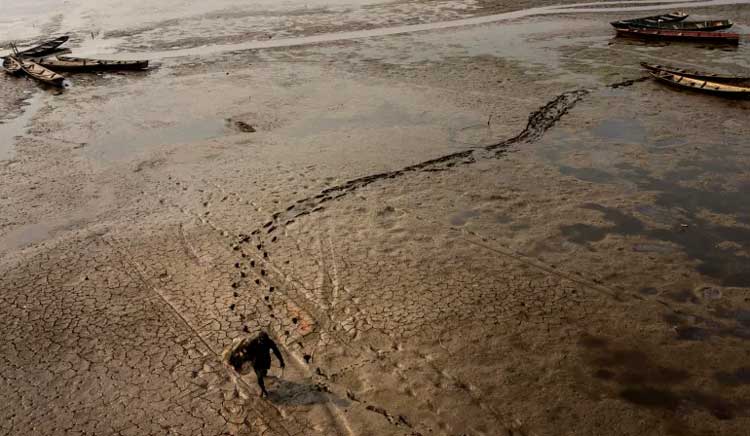
The United Nations has warned that climate change is disrupting the Earth’s water cycle, causing extreme swings between droughts and floods worldwide.
The World Meteorological Organization (WMO) said in its annual State of Global Water Resources report that shrinking glaciers, unbalanced river basins, and severe weather events are increasing pressure on global water resources.
“The world’s water resources are under growing pressure, while extreme water-related hazards increasingly affect lives and livelihoods,” WMO chief Celeste Saulo said.
The report assessed freshwater availability across lakes, rivers, groundwater, soil moisture, snow cover, and ice melt. It noted that 2024, the hottest year on record, brought prolonged droughts to northern South America, the Amazon Basin, and Southern Africa, while parts of Central Africa, Europe, and Asia faced devastating floods and storms.
Globally, two-thirds of river basins now experience either too much or too little water, highlighting the growing unpredictability of the hydrological cycle. Stefan Uhlenbrook, WMO director of hydrology, said, “It’s more erratic, so either too much or too low on average flow per year. Climate change is altering everything, including the water cycle dynamics.”
Rising global temperatures allow the atmosphere to hold more water, intensifying both dry spells and rainfall. The report also highlighted declining water quality in major lakes and the continued shrinkage of glaciers worldwide. Meltwater added about 1.2mm to global sea levels in a single year, raising flood risks for hundreds of millions of coastal residents.
The WMO called for enhanced monitoring and data sharing, stressing that understanding water resources and hydrological extremes is crucial for managing the risks posed by droughts, floods, and glacier loss.
Comments are closed.