
Climate change deepens malnutrition crisis in Maharashtra: UNICEF

In Nagpur, experts have warned that climate change is emerging as a major driver of malnutrition in Maharashtra, with pregnant women and young children bearing the brunt of its cascading effects.
According to UNICEF, climate shocks such as droughts, rising temperatures and agrarian distress are worsening food insecurity and limiting dietary diversity—particularly in tribal regions, farming belts and urban informal settlements.
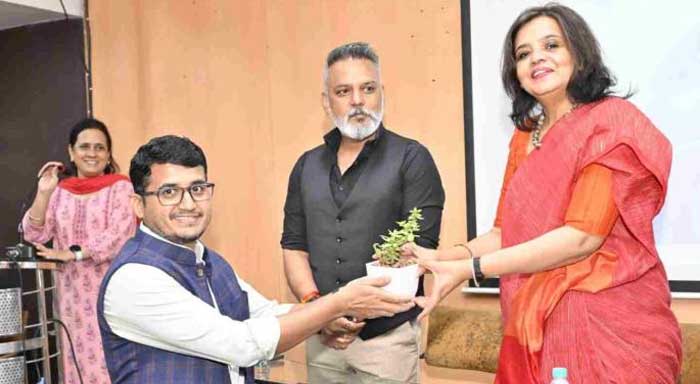
The issue was highlighted during a capacity-building workshop on maternal nutrition and inclusive early childhood development organised by UNICEF India and the Press Information Bureau.
Experts noted that the impact of climate change is most critical during pregnancy and early childhood—a key window for fetal growth and brain development. Poor nutrition at this stage can lead to lifelong health risks, including diabetes, hypertension and cardiovascular diseases.
Dr Mrudula Phadke said food insecurity, heat stress and physically demanding labour during pregnancy not only endanger maternal health but also shape the child’s long-term health outcomes.
Echoing this, Dr Subodh S Gupta from the Mahatma Gandhi Institute of Medical Sciences said nutrition, early childhood development and climate vulnerability are closely linked, forming a pathway that begins even before conception and intensifies during the first 1,000 days of life.
Experts cautioned that poor nutrition in early life can “programme” metabolism, increasing susceptibility to obesity, insulin resistance, type 2 diabetes, cardiovascular diseases and even mental health conditions later in life.
The impact is already visible, with over six million children in Maharashtra affected by non-communicable diseases such as diabetes, asthma, congenital heart disease, sickle cell disease and obesity—conditions once largely associated with adults.
However, specialists emphasised that early interventions can significantly improve outcomes. Addressing growth failure and strengthening maternal nutrition can enhance child survival, boost cognitive development and reduce long-term healthcare and economic burdens.
Sanjay Singh described maternal and child nutrition as one of the most effective climate adaptation strategies, noting that reducing environmental stress during pregnancy can help break intergenerational cycles of malnutrition.
Smita Vats-Sharma said the workshop reaffirmed the government’s commitment to ensuring adequate nutrition and care for pregnant women, particularly in vulnerable rural and tribal areas.
The discussions concluded with a call for integrated policies that link climate resilience, nutrition and early childhood development, with stakeholders stressing the need to translate research into on-ground action.
Comments are closed.