
Climate Change Could Add Over 120 Million Malaria Cases in Africa by 2050, Study Warns

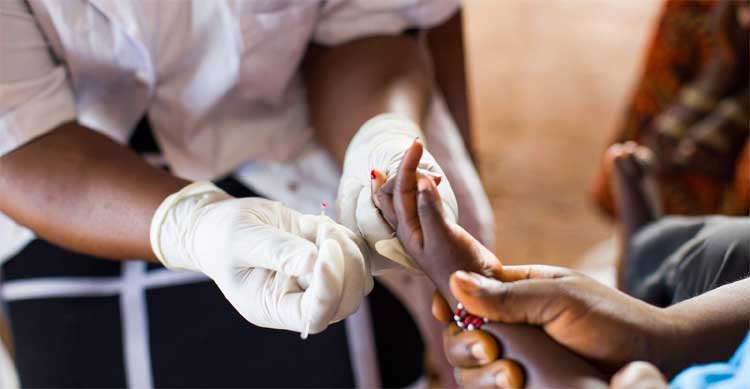
A major new scientific study has warned that climate change could significantly increase malaria infections and deaths across Africa in the coming decades, driven largely by floods and storms that disrupt health systems and disease control efforts.
Published in the journal Nature and led by Peter Gething of the Malaria Atlas Project, the research draws on more than 25 years of climate, health, socioeconomic, and malaria control data. The team analysed how the disease may evolve under different future warming scenarios.
The study estimates that, if current malaria control efforts remain unchanged, climate change could lead to around 123 million additional cases and more than 530,000 extra deaths between 2024 and 2050. While projections vary depending on emission pathways, researchers say the overall trend is unmistakable.
Extreme Weather Is the Main Driver
Unlike earlier studies that focused mainly on rising temperatures and mosquito ecology, this research highlights extreme weather as the dominant factor.
It finds that:
-
79% of additional cases and
-
93% of additional deaths
could be linked to disruptive climate events such as floods, cyclones, and severe storms.
These events damage homes, destroy insecticide-treated bed nets, interrupt spraying campaigns, and cut off access to clinics and medicines. Flooded roads and destroyed health facilities often delay diagnosis and treatment, allowing infections to spread rapidly in vulnerable communities.
Burden Will Rise in Existing Hotspots
Most of the increase is expected to occur in regions where malaria is already widespread, rather than in entirely new areas.
The study projects the largest rises in:
-
Southern and central Nigeria
-
The African Great Lakes region (parts of Kenya, Uganda, Rwanda, and eastern DR Congo)
-
Angola and Zambia
-
Cyclone-prone coastal areas of southeast Africa
Only a small proportion of new cases is likely to appear outside current transmission zones.
Threat to Malaria Eradication Goals
After years of progress driven by bed nets, improved housing, and effective medicines, malaria control in Africa has slowed over the past decade. The researchers warn that climate change could reverse many of these gains.
Without stronger action, global malaria eradication targets could become increasingly difficult to achieve by mid-century.
Call for Climate-Resilient Health Systems
The authors urge governments and international agencies to invest in climate-resilient malaria control, including:
-
Strengthening health and supply-chain infrastructure
-
Expanding early-warning and emergency response systems
-
Ensuring access to treatment during floods and disasters
-
Developing tools and interventions less vulnerable to climate disruption
An Urgent Public Health Warning
The study concludes that climate change is no longer a distant threat to disease control. It is already reshaping health risks across Africa, and without rapid, coordinated action, malaria could become far harder to contain in the coming decades.
Researchers stress that adapting malaria programmes to a changing climate will be essential to protect millions of lives in the future.
Comments are closed.