
Climate Change and the Global Meltdown of Glaciers

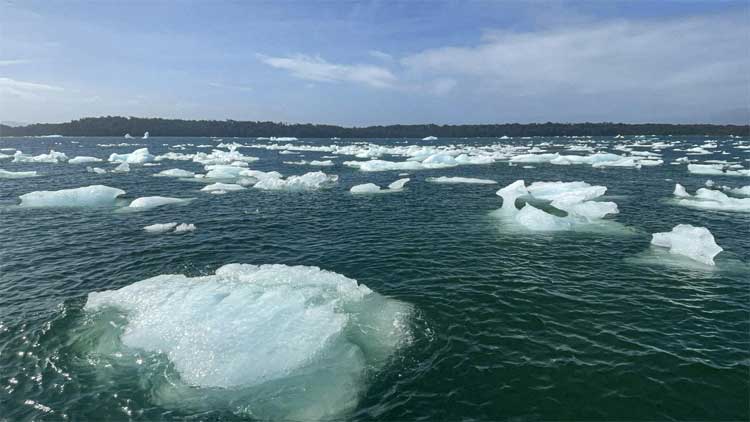
Climate change stands among the most urgent global challenges of the 21st century, and one of its most dramatic and visible consequences is the rapid melting of glaciers. Glaciers are not merely frozen landscapes; they are vast, slow-moving reservoirs of ice that store freshwater and play a crucial role in regulating Earth’s climate system.
Driven largely by human-induced warming, rising global temperatures have accelerated glacial retreat across the planet. This widespread loss of ice threatens water resources, disrupts ecosystems, and increases risks for human settlements. Scientists regard glaciers as some of the clearest indicators of global warming, with their shrinking extent reflecting long-term shifts in climate patterns.
Glaciers form over thousands of years as layers of snow accumulate, compact, and recrystallise into dense ice. Their stability depends on a delicate “mass balance” between ice gained through snowfall (accumulation) and ice lost through melting and sublimation (ablation). For decades, this balance has been overwhelmingly negative, with losses significantly exceeding gains.
Key Drivers of Accelerated Glacier Melting
Rising Global Temperatures
Greenhouse gas emissions from fossil fuel combustion, industrial activity, and deforestation trap heat in the atmosphere, raising air and ocean temperatures. This intensifies surface melting, particularly in sensitive regions such as the Arctic and the Antarctic Peninsula, which are warming faster than the global average.
Ocean Warming
Oceans absorb the majority of excess heat generated by global warming. Warmer waters erode marine-terminating glaciers and ice shelves from below, destabilising ice structures and hastening their collapse.
Hydrofracture Processes
As temperatures climb, meltwater accumulates on glacier and ice shelf surfaces. Water can seep into cracks, deepening and widening them until large sections of ice break apart. This mechanism has contributed to the sudden disintegration of several ice shelves.
Research indicates that the rate of global glacier loss has sharply increased in recent decades, underscoring the accelerating pace of change.
Consequences of Glacier Retreat
The disappearance of glaciers triggers far-reaching and interconnected impacts at local, regional, and global levels.
Sea Level Rise
Glacier melt is a major contributor to rising sea levels, second only to the thermal expansion of warming seawater. Higher sea levels amplify coastal erosion, intensify storm surges, and threaten low-lying communities and island nations.
Freshwater Challenges
Often described as the “water towers of the world,” glaciers store a substantial share of Earth’s accessible freshwater. While increased melting may initially raise river flows and expand glacial lakes — heightening the risk of destructive Glacial Lake Outburst Floods (GLOFs) — long-term glacier loss can lead to chronic water shortages. Regions dependent on seasonal meltwater, including parts of the Himalayas and the Andes, are particularly vulnerable.
Ecosystem Disruption
Glacier retreat reshapes landscapes and alters river systems, affecting biodiversity. Changes in water temperature, sediment transport, and flow patterns disrupt aquatic habitats and ripple through surrounding ecosystems.
Climate Feedback Risks
Melting ice and thawing permafrost may release greenhouse gases such as methane, potentially intensifying global warming. Scientists have also raised concerns about ancient microorganisms preserved in ice and frozen soils, though research continues in this area.
The Path Forward
The rapid decline of glaciers highlights the urgency of reducing greenhouse gas emissions and stabilising global temperatures. These frozen giants serve as powerful reminders of the scale of environmental change underway — and of the close connection between climate stability and human well-being.
Comments are closed.