
Climate Change Accelerating Microplastic Pollution, Pushing Ecosystems Toward Irreversible Damage: Study

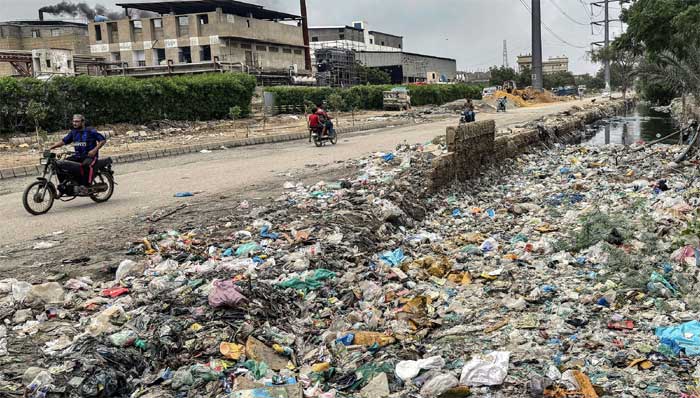
Climate change is rapidly amplifying the spread and ecological impact of microplastics, driving natural systems toward potentially irreversible damage, a major new review published in Frontiers in Science has warned.
Researchers from Imperial College London argue that the world must urgently curb non-essential single-use plastics, reduce virgin plastic production, and implement global standards for reusable and recyclable alternatives.
“Plastic pollution and the climate are co-crises that intensify each other. They also have origins — and solutions — in common,” said lead author Professor Frank Kelly. “We urgently need a coordinated international approach to stop end-of-life plastics from building up in the environment.”
Microplastics — tiny fragments often invisible to the naked eye — have been detected across the planet, including in human blood and vital organs, raising significant health concerns.
Climate Change Is Creating More Microplastics
The review outlines how rising temperatures, stronger UV radiation and increased humidity speed up the breakdown of plastic into microplastics. Extreme weather events intensified by global warming — including storms, floods and high winds — then transport this plastic debris across vast distances.
These processes allow microplastics to infiltrate oceans, rivers, soils, the atmosphere and food chains. Similar patterns are emerging in India, where studies show that the Ganga is accumulating large loads of microplastics washed downstream during periods of intense rainfall and high river flow.
With plastic production having risen 200-fold between 1950 and 2023, researchers warn the crisis could escalate dramatically.
Microplastics Disrupt Ecosystems
Once in the environment, microplastics disrupt nutrient cycles in water bodies, damage soil health, reduce crop yields, and interfere with the feeding and reproduction of marine species such as fish, mussels and corals.
The study also highlights that microplastics act like “Trojan horses”, absorbing toxic chemicals — including metals, pesticides and PFAS — and transporting them deep into ecosystems. Climate-related warming and acidification make these toxins more likely to leach out.
Another emerging threat: as polar ice melts, vast amounts of historically trapped microplastics may be released into oceans.
“There’s a chance that microplastics — already in every corner of the planet — will have a greater impact on certain species over time,” said co-author Dr Stephanie Wright. “The climate crisis and plastic pollution could combine to worsen an already stressed environment.”
Apex Predators at Highest Risk
Marine species exposed to both warming waters and microplastics show sharply reduced resilience. Some studies suggest fish mortality linked to microplastics quadruples under higher temperatures. Cod consume twice as many microplastics in low-oxygen waters — conditions worsened by climate change. Filter feeders such as mussels accumulate microplastics, which then move up the food chain.
Apex predators like orcas, which live long and accumulate contaminants over decades, face the greatest risk.
“Apex predators such as orcas could be the canaries in the coal mine,” said co-author Professor Guy Woodward.
Call for a Global Overhaul of Plastic Use
The authors emphasise that addressing the crisis requires redesigning the global plastics economy.
“A circular plastics economy is ideal,” said Dr Julia Fussell. “It must go beyond reduce, reuse and recycle to include redesign, rethink, refuse, eliminate, innovate and circulate.”
Integrating climate–plastic interactions into policymaking, they argue, will help governments craft more effective regulations.
“The future will not be free of plastic, but we can limit further microplastic pollution,” Dr Wright noted. “We need to act now, as the plastic discarded today threatens future global-scale disruption to ecosystems.”
Professor Kelly added that only systemic change — including slashing plastic production at the source and adopting coordinated global policies like the proposed UN Global Plastics Treaty — can prevent a worsening crisis.
Comments are closed.