
China’s New 5-Year Plan Pivots Toward High-Tech and Consumer Growth as Trade Frictions Weigh on Economy

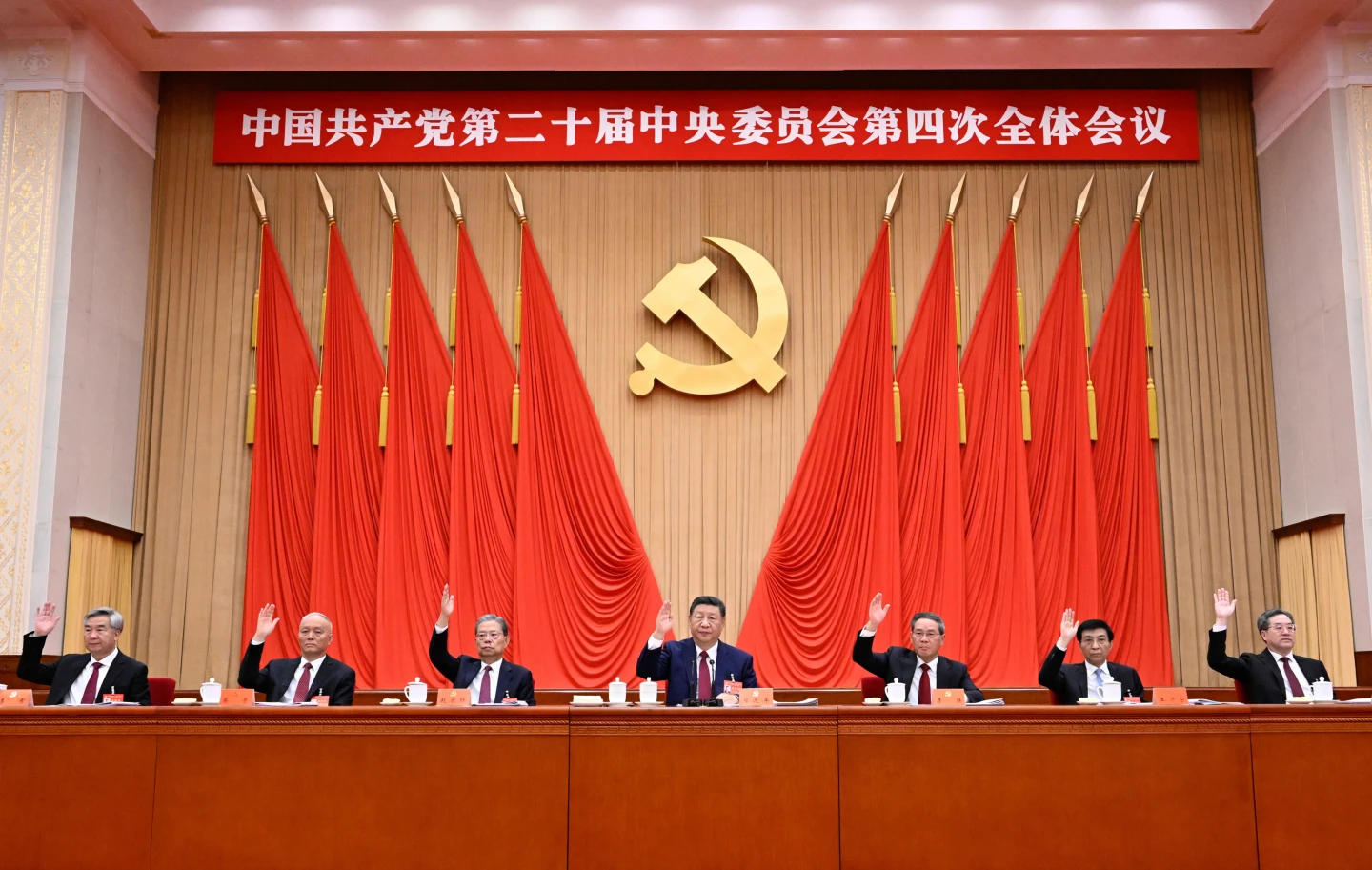
China has unveiled the framework for its next Five-Year Plan, signaling a decisive shift toward innovation, technology, and domestic consumption as key drivers of future growth. The strategic blueprint reflects Beijing’s determination to reduce dependence on foreign markets and cushion the economy against prolonged trade tensions with Western powers, particularly the United States.
The plan — which will guide China’s economic and social policies from 2026 to 2030 — outlines an ambitious agenda centered on self-reliance in high-tech industries, digital transformation, and expansion of domestic demand. Analysts say this approach represents China’s effort to adapt to a new global environment marked by economic uncertainty, protectionism, and tightening export controls on critical technologies.
Premier Li Qiang, speaking at the opening session of the National People’s Congress, described the plan as “a roadmap for national rejuvenation in an age of global challenges.” He emphasized that innovation, rather than infrastructure or real estate, would serve as the “engine of sustained growth.”
“We must rely on our own strength — in science, in manufacturing, and in our people,” Li said. “Technological independence is no longer a choice; it is a necessity.”
High-Tech Independence and Innovation Drive
At the heart of the new plan lies a strong push for breakthroughs in semiconductors, artificial intelligence, renewable energy, quantum computing, and biotechnology. Beijing aims to build a robust domestic supply chain that can withstand external shocks, such as U.S.-led restrictions on advanced chip exports.
China also plans to increase funding for research and development (R&D) to more than 3.5% of GDP — a significant rise from previous levels — while encouraging collaboration between state enterprises, universities, and private tech giants.
Experts view the move as a direct response to Washington’s attempts to curb Beijing’s access to cutting-edge technologies. “China is sending a clear message: it intends to out-innovate rather than out-negotiate its rivals,” said Dr. Yu Lan, a Beijing-based economist.
Boosting the Domestic Market
Beyond technology, the new Five-Year Plan underscores the importance of domestic consumption in stabilizing growth. With external demand softening and exports facing headwinds, China’s leadership is betting on its massive middle class to sustain economic momentum.
Measures include raising household incomes, improving social safety nets, and promoting the development of high-quality services, from digital retail to healthcare and education. The government is also expected to roll out incentives for consumer spending, particularly in electric vehicles, green appliances, and tourism.
“The next stage of China’s growth will come not from factories, but from families,” noted Professor Zhang Wei of Tsinghua University. “If people feel secure about their future, they will spend more — and that’s how China can offset the impact of trade friction.”
Trade Tensions and Global Repercussions
The new plan comes at a time when China’s export-led economy is facing mounting challenges from trade barriers, supply chain disruptions, and geopolitical tensions. The U.S. and its allies continue to impose restrictions on advanced technology transfers, citing national security concerns — a move that Beijing has denounced as economic containment.
Despite these challenges, Chinese officials maintain that the country remains on track to achieve sustainable growth. The government is targeting annual GDP expansion of around 5%, while pledging to keep inflation in check and maintain financial stability.
Global markets are watching closely, as the direction of China’s policy could reshape international trade patterns and technological competition. If successful, the plan could mark the beginning of a new economic era — one defined by domestic strength, digital transformation, and global resilience.
As China redefines its path forward, one message resonates clearly from Beijing’s corridors of power: the future of the Chinese economy will be written not in trade deals, but in technology and consumer confidence.
Comments are closed.