
Chemical Pollution Poses Threat on Par with Climate Crisis, Warns Alarming Report

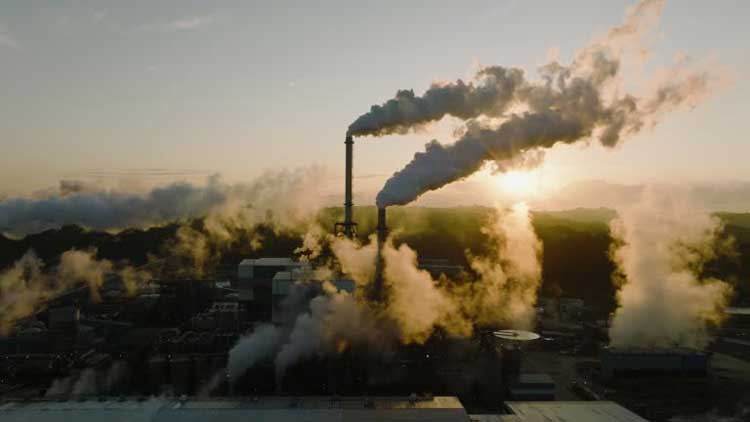
Chemical pollution is an escalating global threat, equivalent in scale to the climate crisis but dangerously under-recognised, according to a new report by Deep Science Ventures (DSV). Despite being decades behind climate change in public awareness and action, the widespread use of synthetic chemicals is contaminating the biosphere and putting human and environmental health at serious risk.
“Chemical pollution is a threat to the thriving of humans and nature of a similar order as climate change,” the report states.
100 Million+ Novel Chemicals, Poorly Regulated
The industrial economy has produced more than 100 million synthetic chemicals, with between 40,000 and 350,000 currently in commercial use. However, most have never been properly tested for safety, especially in combinations or at low doses.
“People assume there’s rigorous testing behind the products they use daily — but that’s often not the case,” said Harry Macpherson, senior climate associate at DSV.
In an eight-month research project funded by the Grantham Foundation, DSV interviewed experts across academia, non-profits, and industry, and reviewed hundreds of scientific papers.
Toxic Load in Human Bodies
The study reveals that more than 3,600 synthetic chemicals from food packaging and contact materials alone are present in the human body — 80 of which are of significant concern. Among them are PFAS “forever chemicals”, found in nearly every person tested worldwide. In some areas, even rainwater now exceeds safe drinking levels of these contaminants.
Other widely used chemicals are linked to health conditions including:
-
ADHD
-
Infertility and miscarriage
-
Cancer
-
Cardiovascular, liver, kidney, and metabolic disorders
-
Immune and respiratory system damage
“We found strong links between pesticide exposure and reproductive health issues, including miscarriage and infertility,” Macpherson noted.
Testing Methods Failing Public Safety
A major issue identified by the report is that current toxicity testing methods fail to detect serious low-dose effects, particularly with endocrine-disrupting chemicals (EDCs) that interfere with hormonal systems.
These substances may have nonlinear dose responses, meaning low doses can have more harmful effects than high doses — a reality that defies traditional toxicological assumptions.
“We’ve missed a lot of health impacts because the testing systems are outdated and not designed to detect these subtle but dangerous effects,” Macpherson said.
Global Context: A Planetary Boundary Already Crossed
The findings echo a 2022 study by the Potsdam Institute for Climate Impact Research, which warned that humanity has exceeded the safe planetary boundary for novel entities like plastics and chemicals.
In parallel, a separate report released this week warns of a global plastics crisis contributing to disease and death across all age groups, with plastic production accelerating worldwide.
DSV’s Call to Action: Innovation for Health
DSV — which describes itself as a “venture creator” focused on solving pressing environmental and health challenges — aims to spur entrepreneurial solutions to chemical pollution. The organisation hopes its report will help catalyse innovative interventions and bring chemical safety into the same urgent spotlight as climate change.
“This is not just a scientific issue — it’s a public health emergency. We urgently need innovation, policy, and awareness to catch up,” the report concludes.
Comments are closed.