
CDC Report: Drug-Resistant ‘Nightmare Bacteria’ Infections in U.S. Surge Nearly 70% Since 2019

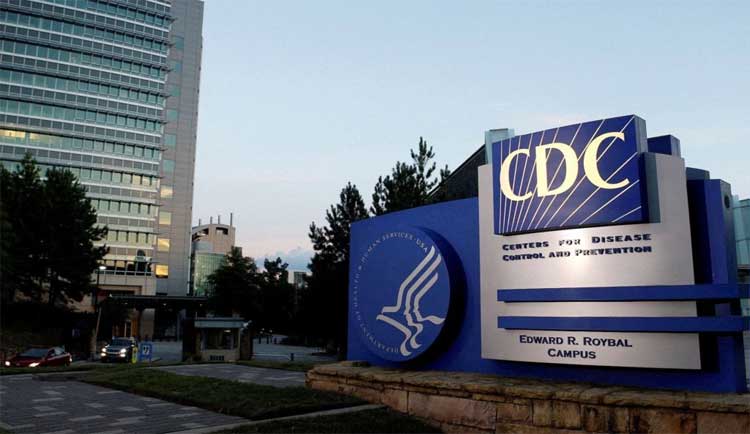
Infections caused by highly drug-resistant “nightmare bacteria” have jumped almost 70% between 2019 and 2023, according to new research from the U.S. Centers for Disease Control and Prevention (CDC).
The sharp rise is largely being driven by bacteria carrying the NDM gene, which renders most antibiotics ineffective. Only two costly intravenous drugs are currently available to treat these infections, researchers noted in the Annals of Internal Medicine.
Once considered rare and linked to overseas medical care, NDM infections have increased more than fivefold in the U.S. over the past few years. The CDC identified 4,341 cases of carbapenem-resistant bacterial infections in 29 reporting states in 2023, of which 1,831 carried the NDM gene.
“The rise of NDMs in the U.S. is a grave danger and very worrisome,” said David Weiss, an infectious diseases expert at Emory University.
Researchers warned that many Americans may unknowingly carry the bacteria, raising the risk of community spread. Common illnesses such as urinary tract infections could become far harder to treat, said study co-author Dr. Maroya Walters.
Experts link the surge to the misuse of antibiotics, including their widespread use during the COVID-19 pandemic. Antimicrobial resistance occurs when germs evolve to survive drugs meant to kill them, a trend fueled by incomplete or unnecessary prescriptions.
The CDC cautioned that its data likely underestimates the true scale of the problem, since some of the most populous states — including California, Florida, New York and Texas — were not included in the analysis due to limited testing.
A CDC report earlier this year also documented a rise in NDM cases in New York City, underscoring what scientists call a growing public health crisis.
Comments are closed.