
“Caste Data Debate Heats Up Ahead of Census 2027: What’s at Stake?”

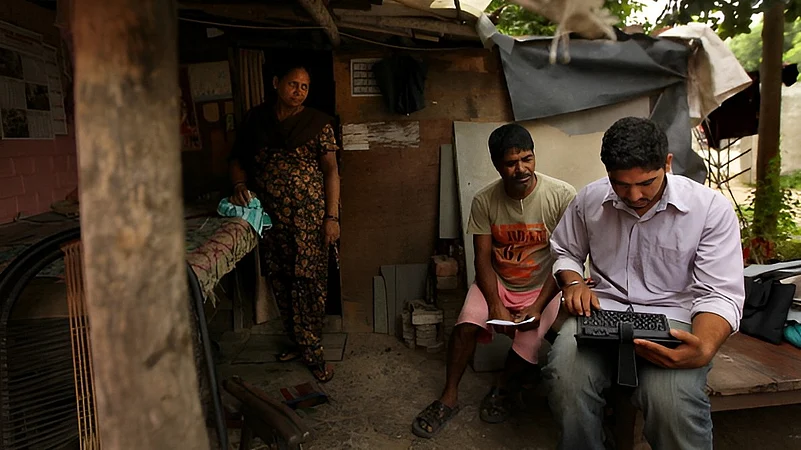
The 2027 Census, currently in the preparatory stages, has ignited nationwide debate and controversy, particularly over the contentious demand for a caste-based enumeration. With political parties, social groups, and policy experts sharply divided on the issue, the upcoming census is shaping up to be not just a demographic exercise, but a politically charged event with deep social implications.
Background: The Demand for Caste Enumeration
While India’s census has collected data on Scheduled Castes (SC) and Scheduled Tribes (ST) since 1951, it has not officially enumerated data on Other Backward Classes (OBCs) or broader caste groups since 1931. Political parties, especially in states like Bihar, Tamil Nadu, and Maharashtra, have repeatedly called for a comprehensive caste census, arguing it is essential for framing fair welfare and reservation policies.
Why the Debate Now?
-
Political Mobilization Ahead of Elections:
Several parties see the caste census as a tool to consolidate voter bases, especially among OBCs and marginalized communities. With the 2029 general elections approaching, the timing of the census has become politically sensitive. -
Social Justice and Resource Allocation:
Proponents argue that without precise caste data, it’s impossible to design evidence-based policies on education, employment, and welfare. They claim existing reservations and quotas rely on outdated or incomplete data. -
Concerns of Division and Identity Politics:
Critics fear that enumerating caste groups could deepen divisions, reinforce caste identities, and be used to further polarize the electorate. Some also worry about potential unrest if certain groups feel underrepresented or unfairly categorized.
Government’s Position
The central government has maintained a cautious stance, citing logistical complexities and the sensitive nature of caste data. Officials argue that including caste in the census may delay the enumeration process and compromise data accuracy. However, several state governments, such as those in Bihar and Karnataka, have undertaken or demanded their own caste surveys, pressuring the Centre to act.
Recent Developments
-
Supreme Court Watch: Petitions have been filed in the Supreme Court seeking a directive for the inclusion of caste data in the national census. The matter is under legal scrutiny.
-
State-Level Initiatives: Bihar recently published the results of its caste-based survey, revealing a detailed breakdown of social composition. This has emboldened other states to demand similar exercises.
-
Voices from Civil Society: Activists and academics have weighed in, with many arguing that accurate data is critical for any affirmative action program to succeed. Others call for caution, citing the risk of misuse of sensitive data.
Implications for the Future
The outcome of this debate will have long-lasting effects on Indian society and governance. If caste enumeration is included:
-
Policy Recalibration: Expect major reforms in quota systems and targeted welfare schemes.
-
Data-Driven Governance: A clearer picture of social realities could improve decision-making.
-
Rising Expectations: Communities may push harder for representation and benefits based on the data revealed.
The 2027 Census has become more than just a population count — it’s a mirror to India’s complex social fabric. As the debate around caste enumeration intensifies, the challenge lies in balancing the need for data with the risks of political and social fragmentation. Whether the government yields to pressure or maintains its current course, the discourse around the census will undoubtedly shape India’s democratic and developmental trajectory for years to come.
Comments are closed.