
Canadian Journalist Mocha Bezirgan Warns of Khalistani Extremist Threats Against PM Modi Ahead of G7 Summit
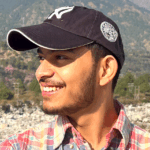
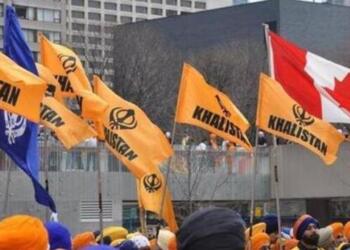
Just days ahead of the G7 Summit 2025 in Kananaskis, Alberta, where Indian Prime Minister Narendra Modi is set to participate in key outreach sessions, a fresh controversy has erupted in Canada’s political and security circles. Mocha Bezirgan, a respected Canadian investigative journalist, has publicly raised grave concerns about the presence and activities of Khalistani extremists operating freely within Canada—alleging even threats against PM Modi.
Bezirgan, known for his deep-dive reporting on radicalism and foreign influence networks, made these revelations through a series of public disclosures and media interviews, warning of a “disturbing tolerance” for extremist elements advocating violence and separatism under the guise of freedom of speech.
Alarming Allegations Just Before Modi’s Visit
According to Bezirgan, some Khalistani groups in Canada are escalating their rhetoric and veiled threats against Indian leadership, particularly targeting Prime Minister Modi. These claims come at a sensitive time, with the G7 Summit offering a rare occasion for India and Canada to recalibrate their diplomatic relationship, which has been under considerable stress since 2023.
While the Canadian government has not officially responded to Bezirgan’s warnings, her claims have sparked renewed calls within security and diplomatic circles to scrutinize the activities of separatist outfits, especially those using Canada’s liberal civil liberties framework to amplify extremist ideologies.
Context: India-Canada Diplomatic Breakdown
India-Canada relations reached a historic low in 2023, when Canadian Prime Minister Justin Trudeau accused Indian intelligence of involvement in the assassination of a Sikh separatist leader in British Columbia. India vehemently denied the allegations, calling them “baseless and politically motivated,” and responded by expelling Canadian diplomats and suspending key bilateral dialogues.
Since then, New Delhi has repeatedly voiced concerns about Canada providing a safe haven for groups that promote Khalistan, a separatist movement seeking an independent Sikh state carved out of India’s Punjab.
Bezirgan’s report echoes these longstanding Indian concerns and underscores what Indian officials have described as Canada’s failure to act decisively against extremist propaganda operating under the radar.
Who Is Mocha Bezirgan?
A prominent voice in Canadian independent media, Mocha Bezirgan is widely known for his investigative work on domestic extremism, transnational radical networks, and government oversight failures. His background as a field journalist embedded in protest movements and his fearless reporting have made him a controversial yet credible figure.
In this case, his statements are particularly significant as they cut across political ideologies and reflect a security-first perspective—placing him at odds with more liberal narratives that often frame Khalistani groups as community activists or political dissidents.
Implications for the G7 Summit
Bezirgan’s revelations come at a time when security preparations are being intensified for the high-profile summit. PM Modi’s presence in Canada, amid heightened political tensions and these fresh warnings, adds urgency to the situation.
Indian diplomats are reportedly in close coordination with Canadian security agencies to ensure maximum protection for the Prime Minister, while also assessing whether these extremist threats could derail any efforts at bilateral engagement during the summit.
The matter also places additional diplomatic pressure on Prime Minister Trudeau, who has been criticized both domestically and internationally for his ambiguous stance on Khalistani separatism.
Public and Political Reactions
The public reaction in Canada has been sharply divided. While some human rights activists argue for the protection of freedom of expression, a growing number of voices—including journalists, former intelligence officials, and members of the Indian diaspora—are calling on the Canadian government to crack down on hate speech and veiled threats masquerading as political dissent.
In India, the news has further reinforced the perception that Canada is not doing enough to address anti-India extremism. National media outlets and political commentators have highlighted Bezirgan’s statements as evidence of the urgent need for international cooperation on counterterrorism.
Comments are closed.