

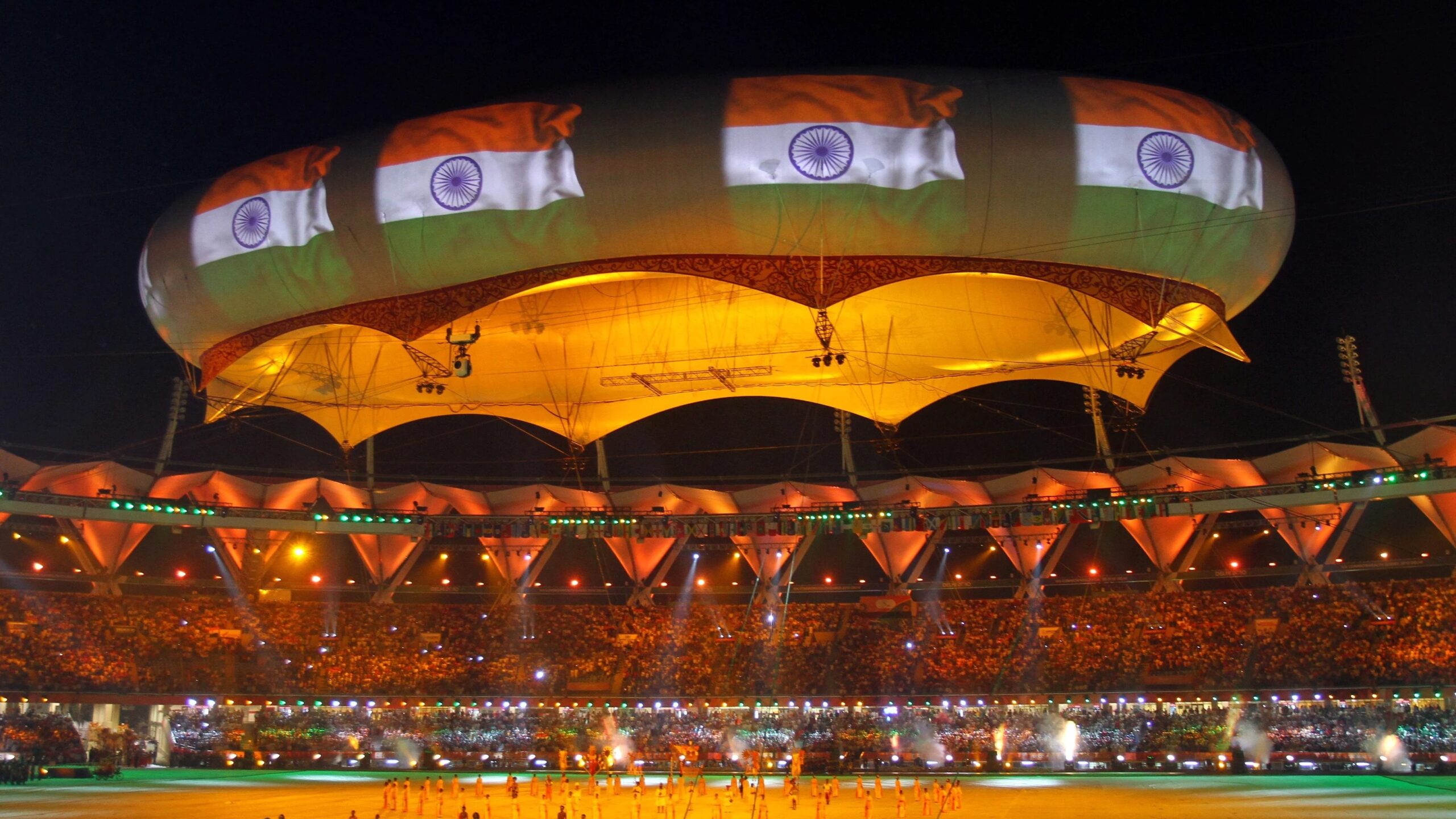
Union Cabinet, chaired by Prime Minister Narendra Modi, has approved India’s bid to host the Commonwealth Games (CWG) 2030 in Ahmedabad, Gujarat. Announced on August 27, 2025.
This decision includes signing a Host Collaboration Agreement (HCA) and providing grant-in-aid to the Gujarat government if the bid succeeds. Aimed at showcasing world-class infrastructure like the Narendra Modi Stadium, the move promises economic growth, job creation, and a boost to national pride. This article explores the context, implications, challenges, and opportunities of this ambitious undertaking.
Context of the Approval
Incident Overview
-
Cabinet Decision: On August 27, 2025, the Cabinet greenlit the bid, with a deadline for submission by August 31, 2025.
-
Host City: Ahmedabad is proposed, leveraging facilities like the Narendra Modi Stadium, which hosted the 2023 ICC Cricket World Cup Final.
-
Participation: The event is expected to feature athletes from 72 countries.
Strategic Background
-
Infrastructure Edge: Ahmedabad offers cutting-edge stadiums and training facilities, bolstered by a passionate sporting culture.
-
Economic Vision: The bid aligns with plans to host the 2036 Olympics, positioning India as a global sports hub.
-
Policy Support: The HCA and grant-in-aid reflect government backing for Gujarat’s preparations.
National Context
-
Historical Precedent: India last hosted the CWG in Delhi in 2010, despite controversies over corruption and mismanagement.
-
Tourism Boost: The influx of athletes, officials, and tourists is projected to benefit local businesses.
-
Public Sentiment: X posts suggest excitement about jobs and pride, though some question past organizational challenges.
Implications of the Approval
Economic Impact
-
Job Creation: The event is expected to generate employment across sectors beyond sports.
-
Tourism Revenue: A significant international presence could stimulate Ahmedabad’s economy.
-
Infrastructure Growth: Investments in facilities may spur long-term development.
Social and Institutional Impact
-
National Pride: Hosting the CWG could unify the nation, echoing the 2010 Delhi experience.
-
Youth Inspiration: The event aims to encourage young athletes, fostering greater sports participation.
-
Cultural Showcase: Ahmedabad’s vibrant heritage will be highlighted globally.
Policy and Operational Impact
-
Sports Ecosystem: Enhanced training facilities could strengthen India’s athletic programs.
-
International Relations: Successful hosting may improve ties with the 72 participating nations.
-
Legacy Planning: The bid supports the 2036 Olympic ambition, setting a multi-event trajectory.
Challenges
Operational Hurdles
-
Logistical Complexity: Managing 72 countries and large-scale participation requires meticulous planning.
-
Infrastructure Gaps: Upgrading facilities to meet CWG standards may face delays.
-
Coordination Needs: Aligning central, state, and local efforts poses a challenge.
Economic and Social Concerns
-
Cost Overruns: The 2010 Delhi CWG’s budget ballooned from ₹1,600 crore to ₹70,000 crore, risking similar issues.
-
Social Disparity: Benefits may not reach all regions, favoring urban Ahmedabad.
-
Environmental Impact: Large events could strain local resources and ecosystems.
Policy Risks
-
Political Backlash: Past mismanagement allegations could resurface, fueling opposition.
-
Funding Uncertainty: Dependence on grant-in-aid may falter if the bid fails.
-
International Scrutiny: The Commonwealth Games Federation’s evaluation might highlight 2010 flaws.
Opportunities
Economic Advancement
-
Market Expansion: Tourism and job growth could elevate Gujarat’s economic profile.
-
Investment Attraction: Global attention may draw sports-related investments.
-
Trade Boost: Export opportunities in sports goods could emerge.
Social and Institutional Growth
-
Youth Development: Training programs could produce world-class athletes.
-
Community Engagement: Local involvement may foster a sports culture.
-
Global Recognition: Success could enhance India’s soft power.
Policy Leadership and Innovation
-
Sports Policy: The event could drive national sports policy reforms.
-
Sustainability Model: Incorporating green technologies might set a precedent.
-
Olympic Pathway: A successful CWG could strengthen the 2036 Olympic bid.
Comments are closed.