

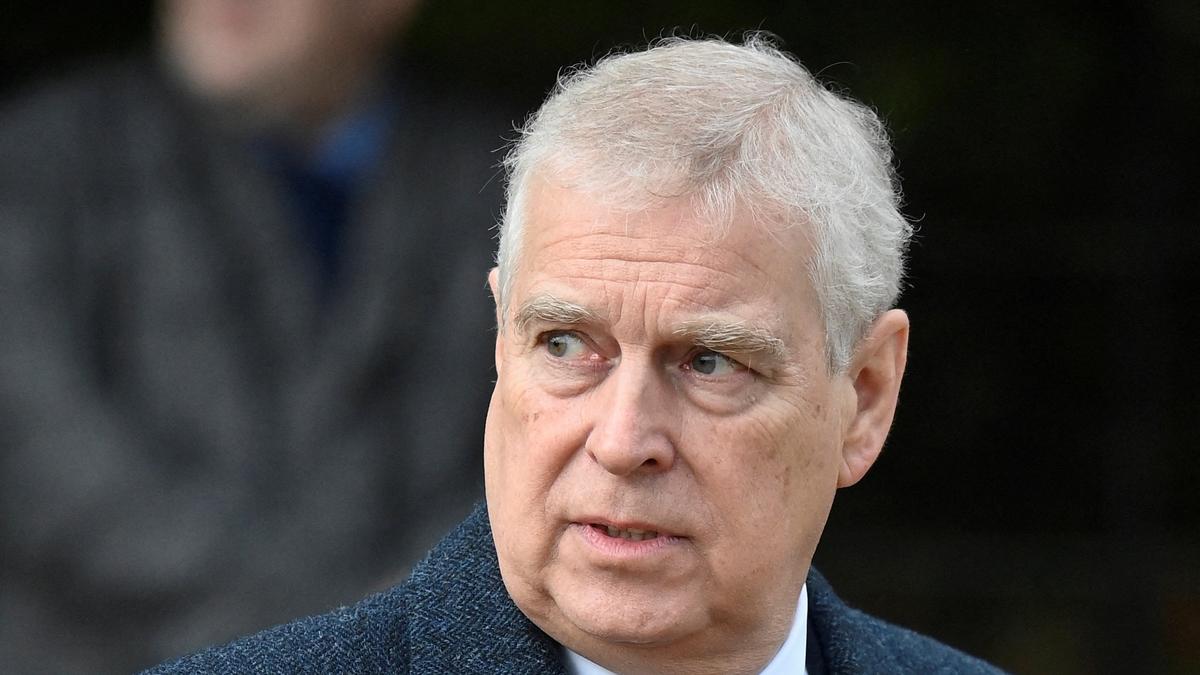
In a historic and unprecedented move within the British royal family, Prince Andrew has relinquished his title of Duke of York, marking a major turning point in his royal status. The decision, reportedly made after extensive discussions within the royal household, reflects growing pressure on the monarchy to distance itself from the controversies that have surrounded the prince in recent years.
Prince Andrew, the second son of the late Queen Elizabeth II and younger brother to King Charles III, had held the title of Duke of York since 1986, when it was bestowed upon him upon his marriage to Sarah Ferguson. The title carries deep historical significance, traditionally associated with the monarch’s second son, and dates back several centuries. Its relinquishment by a senior royal is exceedingly rare and signals a major departure from royal tradition.
While the Palace has yet to issue a detailed statement, sources indicate that the decision was made in consultation with the King and senior advisors. The move comes amid continued public scrutiny and lingering reputational damage tied to Andrew’s past associations and legal battles. Although the prince has previously stepped back from public duties, surrendering the title represents a formal acknowledgment of his diminished role within the royal establishment.
Royal watchers say this development is aimed at safeguarding the integrity of the monarchy as it continues to evolve under King Charles’s reign. The King, who has prioritized transparency and modern accountability within the institution, is believed to have urged the need for “a clear break between personal matters and the public face of the Crown.”
For many Britons, the Duke of York title carries emotional resonance, particularly in the city of York itself, where residents have voiced discomfort over the continued association of the name with the prince. Local leaders had previously called for its removal, arguing that the title’s symbolism should not be tarnished by controversy. With this latest decision, that chapter appears to have reached its conclusion.
In relinquishing the title, Prince Andrew will now likely retain the style “Prince Andrew,” but without the ducal designation. His remaining royal privileges are expected to remain minimal, consistent with his earlier withdrawal from public life.
This step also reflects a broader effort by the royal family to streamline its structure and reaffirm its public role amid changing times. Since ascending the throne, King Charles has sought to focus attention on active working royals, emphasizing service, duty, and charitable engagement.
Public reaction in the United Kingdom has been mixed—some see the move as a long-overdue act of accountability, while others view it as a sad but necessary step for a family navigating the complexities of modern public scrutiny. For the monarchy, it is also a reminder of how deeply personal matters can influence public perception and institutional stability.
Historically, very few royals have given up hereditary or conferred titles voluntarily, and even fewer have done so under pressure. Prince Andrew’s decision, therefore, stands as a significant moment in modern royal history—a recognition that titles, while steeped in heritage, must ultimately serve the values and credibility of the Crown itself.
As Buckingham Palace works to steer the royal family into a new era of public trust, this episode may come to symbolize a delicate balance between tradition and accountability—one that will define the future of the British monarchy in the years to come.
Comments are closed.