
Bonn Climate Talks Should Make Progress on Fossil Fuels

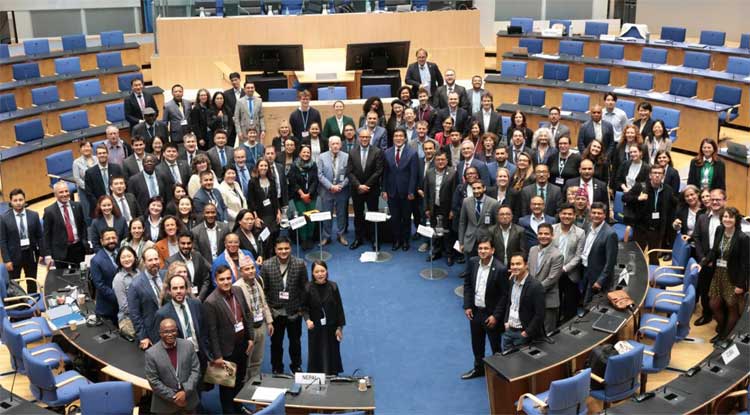
As negotiators convene in Bonn for the mid-year United Nations climate talks—a crucial lead-up to COP30 in Belém, Brazil—governments face a pivotal opportunity to center the global climate agenda on a clear and time-bound fossil fuel phaseout.
Although COP28 made history by formally acknowledging the need to transition away from fossil fuels, progress since then has stalled. COP29 failed to deliver concrete action, and many countries continue to expand fossil fuel production while maintaining subsidies. Fossil fuels remain the leading cause of climate change, accounting for over 80% of global CO₂ emissions. Communities living near coal, oil, and gas operations continue to suffer disproportionate health, environmental, and human rights impacts, as documented by Human Rights Watch.
The Bonn conference should serve as a launchpad for tangible progress. Countries are due to submit updated national climate action plans detailing emission reductions through 2035. However, many have yet to do so, and several of the submissions received fall short of aligning with the 1.5°C warming limit. Bonn should be the moment for governments to commit to robust climate plans, including clear milestones like halting new fossil fuel exploration, ending public subsidies, and ensuring transparent monitoring and accountability.
Another urgent priority is integrating the COP28 fossil fuel phaseout commitment into the COP30 agenda. Brazil, as the COP30 host, has begun urging nations to show how they intend to honor that pledge—but more needs to be done to elevate the issue in the lead-up to Belém.
If governments in Bonn fail to take decisive steps, COP30 risks falling short of delivering the transformative action required to confront the climate crisis. Now is the time for bold leadership and a clear path forward.
Comments are closed.