
Bonn Climate Talks 2026: From Fossil Fuels to Trade, Key Issues to Watch at SB64

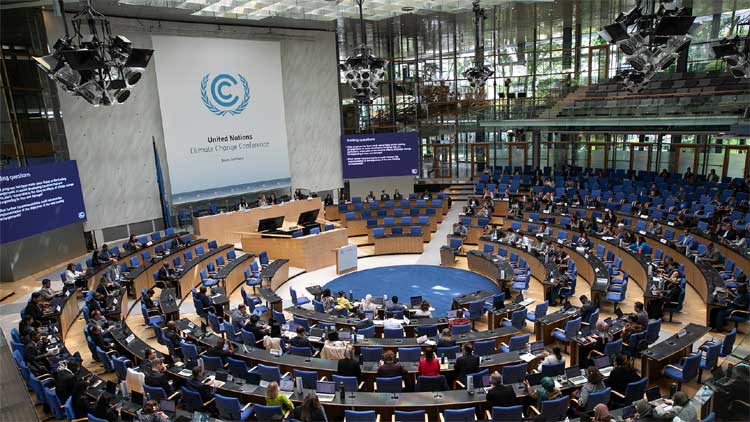
Climate negotiators from around the world will gather in Bonn from June 8 to 18 for the 64th sessions of the UN Framework Convention on Climate Change’s subsidiary bodies (SB64), the first major round of negotiations since COP30 in Belém.
Often viewed as a technical bridge between annual climate summits, this year’s Bonn talks are expected to take on greater significance as countries work to translate political commitments made at COP30 into concrete implementation plans. Discussions will unfold against a backdrop of rising geopolitical tensions, energy security concerns, intensifying industrial competition and growing strains on multilateral cooperation.
Trade and Climate Move Centre Stage
For the first time, trade-related climate measures are expected to feature prominently within the UN climate process.
Following decisions taken at COP30, Bonn will host the first technical dialogue on trade and climate under the Mutirão initiative, alongside the launch of activities under Brazil’s Integrated Forum on Climate Change and Trade.
Negotiators will seek ways to reduce tensions surrounding carbon border taxes, industrial policies, deforestation-related regulations and carbon accounting standards, while exploring opportunities for greater international cooperation.
Adaptation Framework Faces Crucial Test
Climate adaptation will remain one of the most closely watched negotiation tracks.
A major focus will be the next phase of work on the Belém Adaptation Indicators adopted at COP30 under the UAE Framework for Global Climate Resilience. While governments agreed on 59 indicators, many remain technically challenging to implement.
Countries are expected to discuss methodologies, reporting systems and accountability mechanisms, while also exploring how adaptation progress can be integrated into the second Global Stocktake process.
Negotiations on National Adaptation Plans (NAPs) and support for vulnerable countries will also continue.
Gender Action Plan Moves Into Implementation
Following the adoption of the Belém Gender Action Plan at COP30, Bonn will mark the beginning of its implementation phase.
Covering the period from 2026 to 2034, the plan aims to strengthen gender-responsive climate policies across finance, technology, governance and participation. A key event at SB64 will be an expert dialogue on gender- and age-disaggregated data, which is expected to strengthen the evidence base for future policymaking.
Agriculture and Food Systems Under Spotlight
Food security and agriculture discussions are expected to gain momentum as governments increasingly recognise the sector’s importance in both climate mitigation and adaptation.
An in-session workshop will examine how countries can access finance, technical assistance and policy support to strengthen climate action in agriculture and food systems.
The talks will also continue work under the Sharm el-Sheikh Joint Work on Agriculture and Food Security ahead of COP31.
Focus Turns to Fossil Fuel Transition
The debate over transitioning away from fossil fuels is likely to intensify.
Building on commitments first outlined at COP28 and subsequent initiatives launched by the Brazilian COP30 Presidency, negotiators will examine emerging roadmaps designed to align national strategies for reducing dependence on fossil fuels.
Key findings from Brazil’s international fossil fuel transition roadmap process are expected to be presented during the conference, potentially shaping discussions ahead of COP31.
Just Transition Enters New Phase
The Just Transition Work Programme is expected to move beyond dialogue and into implementation.
After governments agreed at COP30 to establish a Just Transition Mechanism, negotiators in Bonn will begin discussing how the framework should function in practice. Talks are likely to focus on workforce reskilling, social protection, economic diversification and support for communities affected by the energy transition.
Linking Climate, Nature and Land Agendas
With all three Rio Convention COPs scheduled to take place this year, Bonn is also expected to deepen discussions on strengthening cooperation between climate, biodiversity and land degradation frameworks.
Governments will explore ways to improve policy coordination, harmonise reporting systems and strengthen collaboration among the three international environmental agreements as they confront interconnected global challenges.
Comments are closed.