
Bill Gates Says Climate Change Won’t End Humanity, Urges Focus on Poverty and Health Ahead of COP30

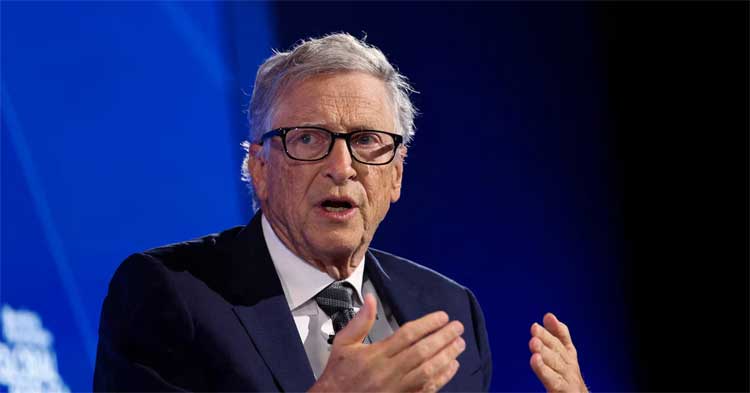
Billionaire philanthropist Bill Gates has said that climate change “will not lead to humanity’s demise,” arguing instead that tackling global poverty and disease is key to helping the world’s poorest adapt to a warming planet.
In a lengthy memo released days before the COP30 climate summit in Brazil, Gates — a major investor in green technology through his Breakthrough Energy initiative — praised the summit’s focus on climate adaptation and human development.
Acknowledging potential criticism of his own carbon footprint, Gates said his message should not be mistaken as downplaying the crisis. “Climate change will have serious consequences,” he wrote, “but people will be able to live and thrive in most places on Earth for the foreseeable future.”
Gates’ “Three Tough Truths About Climate”
In the memo, Gates outlined three key takeaways:
-
Climate change will not end civilization.
-
Limiting temperature rise isn’t the best sole measure of progress.
-
Health and prosperity are the strongest defenses against climate instability.
He stressed that while the planet remains off track to meet the Paris Agreement’s 1.5°C goal, the world should focus more on building resilience and less on obsessing over temperature targets.
“For most of the world’s poor, poverty and disease remain the more pressing problems,” he said. “Our chief goal should be to prevent suffering, particularly for those in the toughest conditions.”
Gates argued that efforts should prioritize reducing vulnerability — for instance, ensuring that fewer people live in poverty or poor health so that extreme weather poses less risk.
Cutting the “Green Premium”
Looking forward, Gates urged reducing the “green premium” — the cost gap between clean and dirty technologies — to zero for critical materials such as cement, steel, and jet fuel.
He likened his memo to a famous call he made at Microsoft 30 years ago to put the internet at the company’s core. Similarly, he said, the climate community now needs a “strategic pivot” to center human welfare in its goals.
“Prioritise the things that have the greatest impact on human welfare,” Gates wrote.
Critics Push Back
Climate advocates quickly challenged Gates’ framing.
“Mr Gates has set up a false frame that pits improving lives against science-based temperature and emissions goals,” said Rachel Cleetus of the Union of Concerned Scientists. “The two are intrinsically connected. The warming climate is directly undermining poverty eradication and human development around the world.”
Cleetus added that extreme weather events such as Hurricane Melissa, fueled by rising global temperatures, show the “deadly and costly” impact of climate change on vulnerable nations.
She argued that transitioning away from fossil fuels would bring health and economic benefits while curbing the “malign influence” of Big Oil on the planet’s future.
Comments are closed.