
Bilawal’s Bold Overture: Extradition Offer Triggers Hardline Backlash

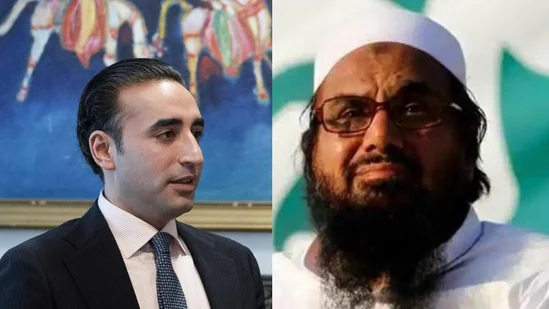
In a surprising turn of discourse, Pakistan People’s Party (PPP) chairman and former Foreign Minister Bilawal Bhutto-Zardari suggested Pakistan might consider extraditing “individuals of concern”—including Lashkar-e-Taiba chief Hafiz Saeed and Jaish-e-Mohammad leader Masood Azhar—to India, but only as part of a broader confidence-building dialogue between the two nations
Bilawal’s Extradition Proposal
Speaking with Al Jazeera, Bilawal said:
“As part of a comprehensive dialogue with Pakistan, where terrorism is one of the issues… I am sure Pakistan would not be opposed to any of these things.”
He framed the idea as a reciprocal gesture—conditional on India’s willingness to cooperate, including sharing evidence and testifying in court.
Hardline Backlash
1. PTI Condemnation
Pakistan Tehreek-e-Insaf (PTI), led by Imran Khan, denounced Bilawal’s remark as appeasement and a national security risk. PTI spokesperson Sheikh Waqas Akram labeled him an “immature political child”, accusing him of undermining Pakistan’s position and humiliating the country on international stages
2. Lashkar-e-Taiba Response
Talha Saeed, son of Hafiz Saeed, delivered a fiery critique, accusing Bilawal of speaking India’s language, betraying Pakistan, and even disgracing national sovereignty. He called on the public and media to reject Bilawal’s remarks as a betrayal
Skepticism and Strategic Context
Experts like India-based strategist Praful Bakshi suggest Bilawal’s statement may be diplomatic positioning, not an actionable policy shift. Deep-seated ties between the military, intelligence agencies, and these militant groups make actual extradition highly unlikely without institutional approval
Indeed, control of security and foreign policy remains largely with the Pakistan Army and ISI, not the civilian leadership.
Implications and Risk Analysis
-
Diplomatic Gesture or Provocation?
Bilawal’s comments, while signaling openness to dialogue, diverge sharply from Pakistan’s official narrative. They may aim to apply international pressure while testing the political waters. -
Domestic Political Risk
His statement exposed fractures within the ruling coalition and fueled a broader political debate over Pakistan’s strategy and allegiance toward India. -
Military Resistance Anticipated
The entrenched influence of hardliners and intelligence apparatus suggests any extradition move would face severe institutional resistance, possibly resulting in Bilawal backtracking.
Bilawal Bhutto-Zardari’s extradition proposal marks a rare departure from Pakistan’s hardened stance on terrorism and India. Though critics dismiss it as naive or dangerous, it reflects a push within civilian political leadership to reopen strategic dialogue. However, entrenched hardline factions—PTI voices, militant sympathizers, and the security establishment—are likely to block any real progress. For now, Bilawal’s move is a symbolic gesture: bold, contentious, and unlikely to change the status quo.
Comments are closed.