
Bihar Electoral Roll Shake-Up: 6.5 Million Names May Be Dropped After Verification Drive

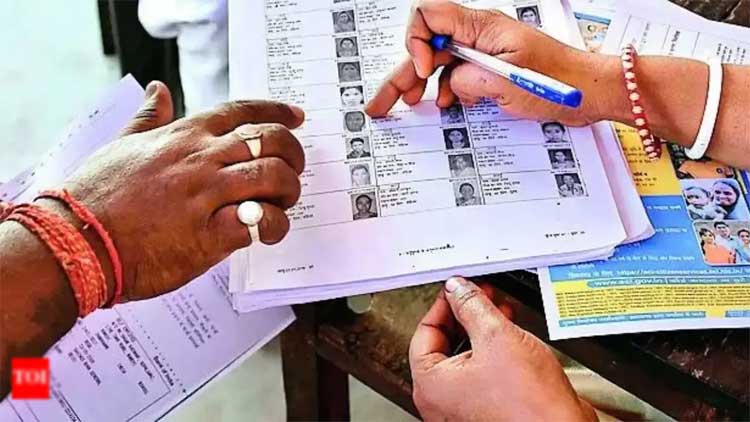
Nearly 6.5 million names—or about 9% of Bihar’s electorate—could be removed from the state’s voter rolls following the first phase of a controversial Special Intensive Revision (SIR) drive, sparking nationwide protests and a pending Supreme Court challenge.
The month-long verification drive, which concluded Saturday, aimed to update Bihar’s voter list ahead of upcoming assembly elections. The draft electoral roll will be published on August 1, followed by a claims and objections period through September 1, with the final roll due September 30.
According to an Election Commission (EC) bulletin, the proposed exclusions include:
-
2.2 million deceased voters
-
700,000 duplicate registrations
-
3.5 million untraceable or permanently migrated individuals
Officials also flagged 120,000 pending enumeration forms, making this potentially the largest single voter exclusion in a state in recent memory.
Despite requests, the ECI has not yet published the final figures, citing technical delays. A full update is expected in the coming days.
Over 400,000 officials and volunteers, including 98,498 booth-level officers and nearly 150,000 political party agents, carried out the state-wide survey, collecting forms from 72.3 million voters. However, officials admitted many voters did not provide formal citizenship proof, relying instead on documents like Aadhaar, ration cards, or property papers—which the EC says do not confirm citizenship.
Documentation Rules
Voters were required to provide documents based on age categories:
-
Born before 1987: own proof sufficient
-
Born 1987–2004: own proof + one parent’s proof
-
Born after 2004: own proof + both parents’ proof
Notably, commonly held IDs like voter ID, Aadhaar, or ration cards were not accepted as conclusive proof of citizenship.
Rising Political Tensions
The exclusion drive has drawn fire from opposition MPs, who call it an attack on electoral democracy. They claim the verification criteria could disenfranchise millions, especially among marginalised communities and migrants.
The BJP has defended the drive, arguing that purging ineligible names—including alleged foreign nationals—is critical for free and fair elections. Election officials claim suspected Bangladeshi, Nepalese, and Myanmar nationals were found on rolls in border districts like Araria, Kishanganj, and Purnia.
Supreme Court Test Ahead
The Supreme Court will hear challenges to the SIR on Monday, July 28, after previously declining to halt the process. It had asked the EC to consider accepting Aadhaar and other IDs. However, in a counter-affidavit filed July 21, the EC argued those documents do not establish citizenship, setting the stage for a legal clash.
National Implications
Bihar’s drive is the first phase of a planned nationwide rollout, with similar verification drives planned in Assam, West Bengal, Kerala, Tamil Nadu, and Puducherry before the 2026 elections. A full schedule is expected post the Supreme Court ruling.
With millions of voters potentially disenfranchised and limited time for appeal, political tensions are expected to rise as the August 1 draft list is released, setting off a bitter battle over voter eligibility.
Comments are closed.