
Big Update on 8th Pay Commission: 5 Key Takeaways from Cabinet Briefing

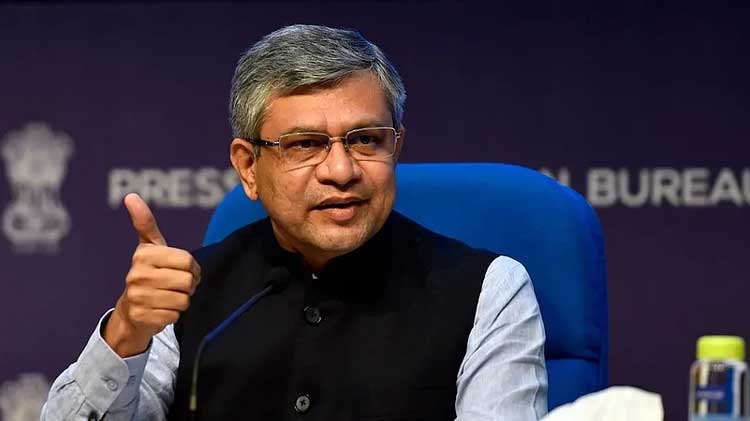
The Union Cabinet on Tuesday approved the terms of reference (ToR) for the Eighth Central Pay Commission, officially setting in motion the process to revise salaries and pensions for nearly 1.2 crore central government employees and pensioners.
The new Pay Commission will be headed by retired Supreme Court judge Ranjana Prakash Desai, with IIM Bangalore Professor Pulak Ghosh as part-time member and Petroleum Secretary Pankaj Jain as the member secretary.
🔑 Key Highlights from the 8th Pay Commission Update
1. Panel composition:
Justice (Retd.) Ranjana Prakash Desai will chair the Commission, joined by Prof. Pulak Ghosh (IIM-B) and Pankaj Jain (Petroleum Secretary).
2. 18-month deadline:
The Commission must submit its recommendations within 18 months of its constitution, and can send interim reports if needed.
3. Implementation timeline:
As per the 10-year cycle, recommendations are expected to take effect from January 1, 2026, similar to how the 7th Pay Commission (constituted in 2014) was implemented from January 1, 2016.
4. When will the hike reflect in paychecks?
While the effective date is January 2026, the actual disbursement could take longer depending on administrative approvals. However, arrears will likely be paid from January 1, 2026.
5. Expected salary increase:
The government has not released official pay slabs, but based on projections, salaries could rise by up to ₹19,000 per month if the fitment factor is revised to 2.86.
The 7th Pay Commission used a 2.57 fitment factor, which had resulted in a 157% salary hike, raising the minimum basic pay from ₹7,000 to ₹18,000.
The 8th Pay Commission’s recommendations are expected to play a crucial role in shaping the economic and administrative outlook for central employees in the next decade.
Comments are closed.