
Bharat’s Jute Ban: A Silent Trade War Brewing with Bangladesh

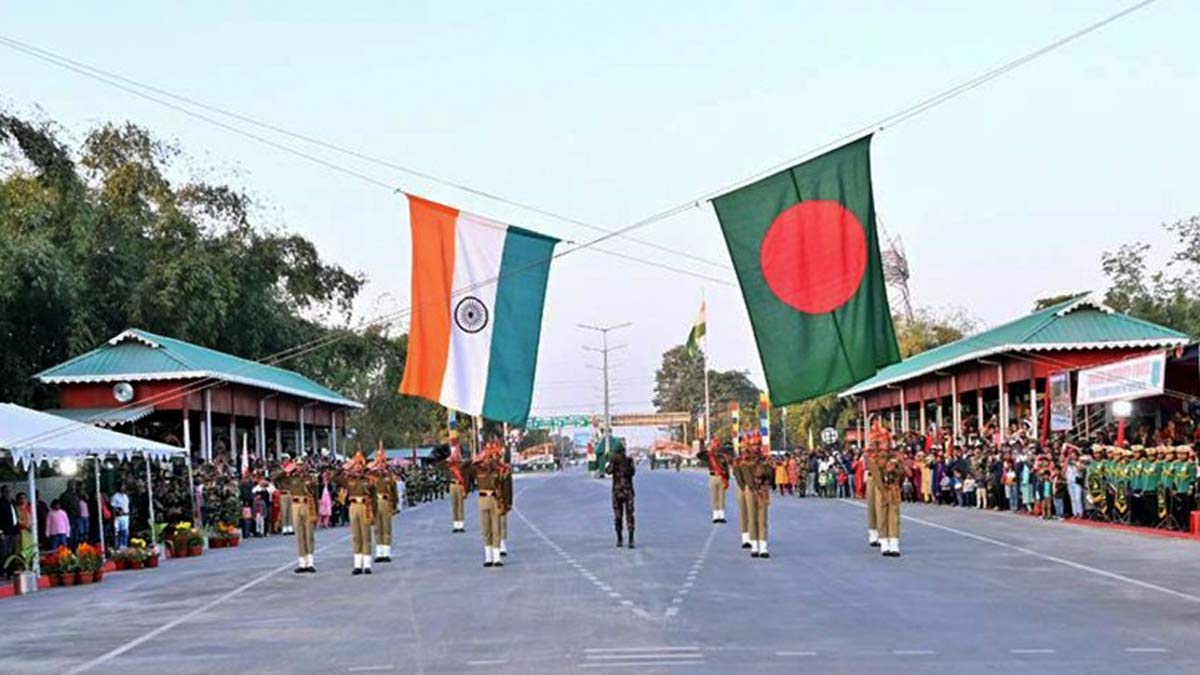
In what experts are calling a silent trade war, India’s recent decision to restrict jute imports—particularly from Bangladesh—has triggered rising diplomatic unease in South Asia’s tightly linked fiber economy.
While no formal declaration of conflict exists, the move is being widely interpreted as an unofficial economic retaliation, rooted in both domestic protectionism and regional politics. With Bangladesh being the world’s second-largest exporter of jute, and India one of its biggest markets, the implications of this “jute ban” are significant.
The Trigger: Policy Shift or Economic Pushback?
India—home to millions of jute farmers across West Bengal, Bihar, and Assam—has tightened its import norms and licensing regime for raw jute and jute products, citing the need to protect domestic growers and curb under-invoicing.
Under the new policy, stricter quality standards, licensing hurdles, and non-tariff barriers have made it nearly impossible for Bangladeshi jute exporters to compete, leading to a near-total halt in imports over recent months.
“We’ve not received a single new order from Indian traders since the revised norms came into effect,” said a jute exporter based in Khulna, Bangladesh. “It’s a de facto ban.”
The Economic Stakes: Lives and Livelihoods
Bangladesh’s jute sector employs over 4 million people, many of them in rural areas. India accounts for a major portion of its export volume, especially in hessian cloth, sacks, and yarn used in packaging, agriculture, and textiles.
With shipments stalled and warehouses overstocked, Bangladeshi producers are sounding alarm bells, warning of mass layoffs and losses.
India, meanwhile, faces its own pressures. Jute mill owners and farmer cooperatives in West Bengal have long lobbied for protection, arguing that cheap imports were undercutting prices, leading to declining incomes and mill shutdowns.
“We’re not against trade,” said a member of a jute mill federation in Hooghly, “but it has to be fair. Our industry can’t survive with unrestricted dumping.”
From Trade to Tension: Diplomacy in the Crosshairs
Dhaka has raised the issue quietly through backchannels, but New Delhi has remained firm, citing internal industrial revival and food-grade packaging needs. Analysts believe this friction could strain wider economic cooperation between the two nations, including cross-border power trade and regional connectivity projects.
Trade experts argue that without a formal dialogue mechanism, non-tariff barriers can quickly escalate into long-term resentment, especially in industries like jute that are both economically and emotionally significant.
Politics and Protectionism
Some observers see the move as part of India’s broader “Bharat First” trade recalibration, aimed at reducing dependency on foreign goods and boosting self-reliance (Atmanirbhar Bharat)—a strategy that resonates politically, especially ahead of upcoming state elections in key jute-producing regions.
Time for Threaded Diplomacy
What began as a sectoral issue is rapidly morphing into a symbolic test of South Asian trade diplomacy. As livelihoods hang in the balance on both sides of the border, it is critical for Bharat and Bangladesh to engage in structured talks, rethink policy rigidity, and prioritize cooperation over confrontation.
If left unchecked, this silent trade war over jute could unravel not just regional commerce—but the very threads of cross-border trust that have taken decades to weave.
Comments are closed.