
Bangladesh’s Hindu Minority Under Siege: Unraveling the Violence Post-Hasina in 2025

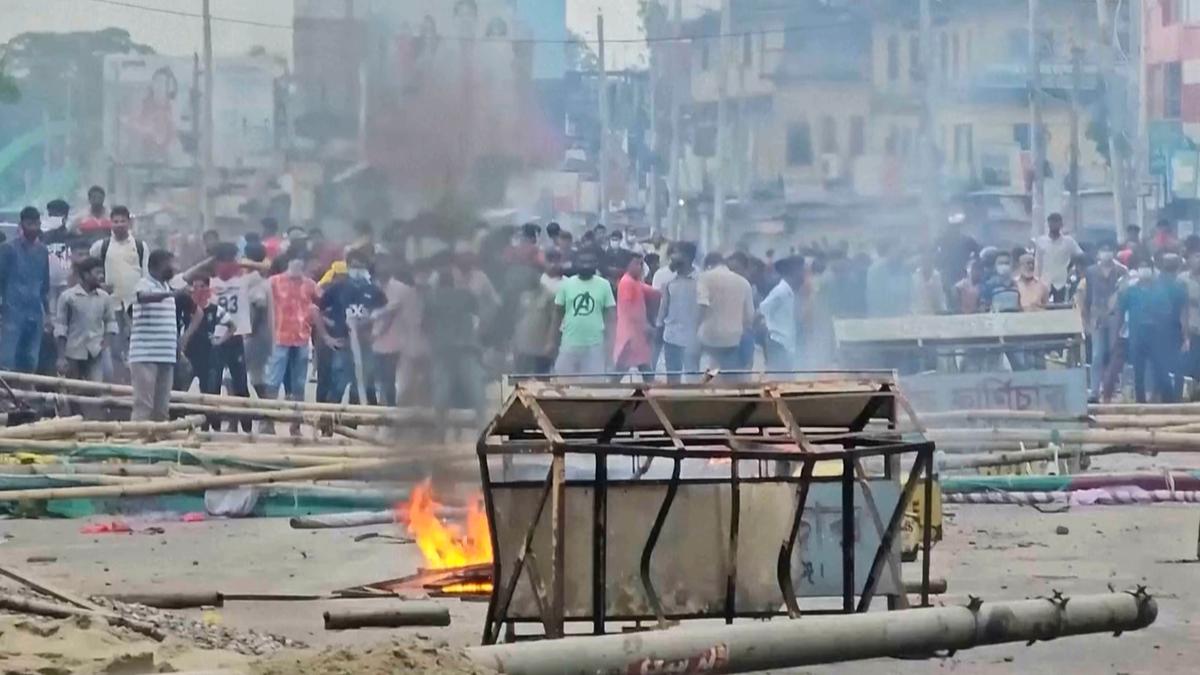
The phrase “Bangladesh’s Shame: Hindu Targeted in BNP-Led Violence” encapsulates the surge of attacks on Bangladesh’s Hindu minority following the ouster of Prime Minister Sheikh Hasina on August 5, 2024. As of August 7, 2025, reports indicate ongoing violence against Hindus, often linked to the Bangladesh Nationalist Party (BNP) and its ally, Jamaat-e-Islami, amid political turmoil. The Hindu community, constituting 7.9% of Bangladesh’s 165 million population, has faced vandalism, arson, and assaults, with allegations of BNP-led mobs exploiting the power vacuum. However, fact-checkers and local sources suggest a complex interplay of political retribution and communal tensions, with some attacks mischaracterized as purely religious. This article examines the causes, extent, and implications of the violence, critically assessing claims of BNP-led targeting, the role of misinformation, and the interim government’s response under Muhammad Yunus.
Background: Political Turmoil and Hindu Vulnerability
Sheikh Hasina’s 15-year rule under the secular Awami League ended abruptly on August 5, 2024, following student-led protests against a controversial quota system, compounded by economic discontent and high youth unemployment. Hasina’s flight to India triggered widespread unrest, with mobs attacking Awami League supporters, government buildings, and Hindu communities perceived as aligned with her party. The Bangladesh Hindu Buddhist Christian Unity Council (BHBCUC) reported 205 attacks across 52 districts from August 4 to August 20, 2024, including nine Hindu deaths and 69 attacks on places of worship.
The BNP, led by Khaleda Zia, and Jamaat-e-Islami, both suppressed under Hasina, capitalized on the chaos, with reports alleging their activists instigated violence. Hindus, historically viewed as Awami League supporters, became soft targets due to their minority status and past persecution during BNP-Jamaat regimes (e.g., 2001–2006, when over 18,000 incidents were recorded). The absence of law enforcement, with police on strike post-Hasina, created a window for mob violence, exacerbating Hindu insecurities.
Nature and Extent of the Violence
Reports from 2024 and early 2025 document targeted attacks on Hindus:
-
August 2024: Following Hasina’s ouster, Hindu homes, businesses, and temples were looted and vandalized in 27 districts, including Dhaka, Chittagong, and Rangpur. Notable incidents include the burning of an ISKCON temple in Meherpur and a Kali temple in Thakurgaon. A Hindu councillor, Kajal Roy, was lynched in Rangpur.
-
2025 Incidents: By July 2025, violence persisted, with posts on X reporting attacks in Dinajpur, where Hindu woman Nila Rani was beaten, and Brahmanbaria, where Sunil Das’s home was vandalized. In Cumilla, a Hindu woman was gang-raped, with the assault filmed and circulated, allegedly by BNP-linked perpetrators. In Patuakhali, BNP workers reportedly attempted to seize Hindu land, threatening eviction.
-
Scale: The BHBCUC reported 2,000 incidents of “communal violence” from August 4–20, 2024, though fact-checkers like BanglaFact debunked exaggerated claims, such as 11 killings in January–February 2025. Ain o Salish Kendra documented 3,679 attacks on Hindus from 2013–2021, indicating a long-standing pattern.
Fact-checkers, including AFP’s Qadaruddin Shishir, argue that many attacks were politically motivated, targeting Awami League affiliates, including Hindus, rather than solely religious. For instance, a viral video claiming a Hindu cricketer’s house was burned was debunked as belonging to Muslim Awami League MP Mashrafe Mortaza.
Role of the BNP and Jamaat-e-Islami
The BNP and Jamaat-e-Islami have been accused of orchestrating anti-Hindu violence:
-
BNP Involvement: The Awami League condemned BNP leader Shahidul Islam for attacking Hindu homes in Thakurgaon, with mobs destroying a Mansa temple and threatening eviction. In Patuakhali, BNP workers allegedly obstructed Hindu families from building on their land.
-
Jamaat-e-Islami: Known for its Islamist ideology, Jamaat has a history of targeting Hindus, notably during the 1971 Liberation War and 1990s. Its resurgence post-Hasina has fueled fears, with posts on X alleging Jamaat-led “pogroms” in Rangpur and Brahmanbaria.
-
Denials: BNP leader Gayeshwar Chandra Roy refuted claims of anti-Hindu bias, asserting the party’s inclusivity. Dr. Mufuzzul Karim, a former BNP ambassador, called for justice without naming perpetrators, emphasizing peaceful coexistence.
However, historical data links BNP-Jamaat regimes to increased minority attacks, such as the 2001 Bhola gang-rape of 200 Hindu women. Critics argue the BNP’s political opportunism exploits communal tensions, though evidence of direct leadership in 2025 attacks remains contested.
Misinformation and Regional Tensions
Indian media and social media have amplified the narrative of a “Hindu genocide,” often exaggerating incidents. Al Jazeera reported that Indian outlets like Mirror Now falsely claimed “mass murders” and “24 burnt alive,” when only two Hindu deaths were verified post-Hasina. Posts on X, such as by @MeghUpdates, labeled attacks as “genocidal,” citing unverified visuals. Fact-checkers like BanglaFact and DW debunked claims, such as a video of a non-Hindu robber misidentified as a Hindu businessman.
This misinformation has fueled Islamophobia in India, with BJP leaders like Suvendu Adhikari warning of a “crore Hindu refugees.” Such rhetoric strains India-Bangladesh relations, with Bangladesh’s interim leader Muhammad Yunus dismissing it as an “excuse” to portray the BNP as Islamist.
Interim Government’s Response
Muhammad Yunus, heading the interim government since August 2024, has taken steps to address the violence:
-
Public Appeals: Yunus urged students to protect minorities, visiting Dhakeshwari Temple on August 13, 2024, to reassure Hindus. His appeal led to Muslim students and Jamaat members guarding temples, reducing attacks after August 10, 2024.
-
Challenges: The interim government struggles with law enforcement, with police reluctant to act post-Hasina. A sedition case against Hindu leader Chinmoy Krishna Das and a barred protest rally in Chattogram highlight ongoing tensions.
-
International Pressure: U.S. Congressmen like Ro Khanna and Rich McCormick called for action, with Thanedar urging refugee status for Hindus. Yunus’s government has promised investigations, but justice remains elusive due to evidence collection delays.
Historical Context and Patterns
Hindus have faced recurring violence in Bangladesh:
-
1971 Liberation War: The Pakistani military targeted Hindus, with 10 million fleeing to India.
-
1992 Babri Masjid Fallout: Over 300 Hindu temples were burned in retaliation.
-
2001–2006 BNP-Jamaat Rule: Heavy-handed attacks, including 18,000 incidents, forced Hindu migration.
-
2021 Durga Puja: Eight deaths and 50 temples vandalized over a Quran-related rumor.
The Hindu population has declined from 22% in 1951 to 7.9% in 2022, with 11 million fleeing between 1964–2013. Political instability, as seen post-Hasina, consistently exacerbates communal violence, with Hindus as “soft targets.”
Challenges and Criticisms
-
Law Enforcement Vacuum: The absence of police post-Hasina enabled mob violence, with no arrests in many cases.
-
Misinformation: Indian media’s exaggeration risks escalating tensions, with Yunus criticizing it as an “unfriendly gesture.”
-
Political Exploitation: The Awami League may amplify Hindu attacks to discredit the BNP, while the BNP denies communal motives, complicating truth-finding.
-
Global Silence: Despite calls from Hindu groups, international bodies like Amnesty International have been criticized for muted responses.
Opportunities for Resolution
-
Strengthened Governance: Yunus’s government could prioritize minority protection laws and restore police functionality.
-
Fact-Checking: Collaboration with groups like BanglaFact can curb misinformation, fostering accurate narratives.
-
International Advocacy: Pressure from India and the U.S. could push for accountability, though it risks straining diplomacy.
-
Community Solidarity: Muslim students protecting temples, as seen in Brahmanbaria, offer a model for interfaith cooperation.
The violence against Bangladesh’s Hindu minority in 2025, often attributed to BNP-led mobs, reflects a volatile mix of political retribution and communal tensions following Sheikh Hasina’s ouster. While incidents like temple vandalism and assaults in Cumilla and Thakurgaon highlight Hindu vulnerabilities, fact-checkers reveal that many attacks targeted Awami League affiliates, not solely Hindus. The interim government’s efforts under Muhammad Yunus show promise, but challenges like law enforcement gaps and misinformation persist. The narrative of “Bangladesh’s Shame” captures real suffering but is muddied by political agendas and exaggerated claims. Addressing this crisis requires robust governance, interfaith solidarity, and global scrutiny to ensure justice and security for Bangladesh’s Hindus, preventing a repeat of historical traumas.
Comments are closed.