
Bangladesh to Hold National Elections on Feb 12, First Vote Since Student-Led Uprising Ousted Sheikh Hasina

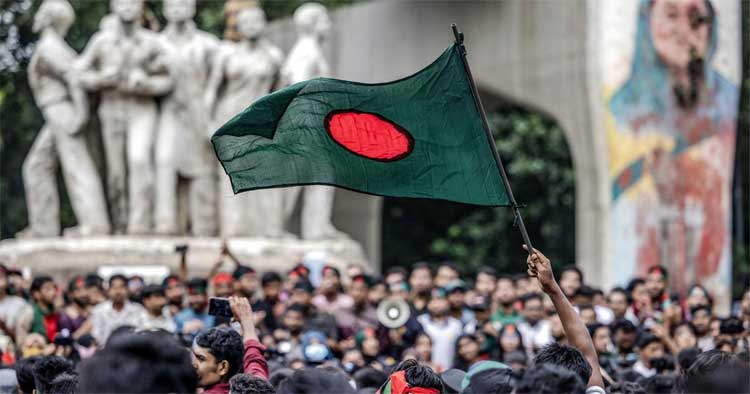
Bangladesh will head to the polls on February 12, the country’s chief election commissioner announced on Thursday, marking the first national election since a historic student-led uprising toppled long-time prime minister Sheikh Hasina last year.
Hasina, whose 15-year rule under the Awami League was dogged by allegations of human rights abuses, election rigging and corruption, was ousted in August 2024 after massive nationwide protests. She has since fled to India, where she remains in self-exile. An interim administration led by Nobel laureate Muhammad Yunus has governed the country since.
In a televised address, Chief Election Commissioner A.M.M. Nasir Uddin confirmed that voters would elect 300 lawmakers, with a national referendum on political reforms to be held the same day.
“This is a relief for voters, for the country, for investors and development partners,” said political analyst Prof. A.S.M. Amanullah, vice chancellor of the National University in Dhaka. “People sacrificed their lives and limbs to oust a tyranny in July 2024, and this election marks a new beginning.”
The Uprising That Toppled a Regime
The 2024 mass protests began in early July as peaceful demonstrations against the reinstatement of a civil service quota system. But the movement swelled into one of the largest uprisings in Bangladesh’s history after security forces launched a violent crackdown amid a communications blackout.
A special tribunal later found Hasina guilty of permitting lethal force on demonstrators, with the UN estimating at least 1,400 deaths. She was sentenced to death in November for crimes against humanity after a months-long trial.
Awami League Barred From Contesting
The upcoming polls will be held in a dramatically altered political landscape. The Yunus-led interim government has banned all Awami League activities, effectively excluding the once-dominant party from participating.
This has raised questions about the political future of its more than 40 million voters. “People are speculating which party they might support or whether they will remain silent,” Amanullah noted. “But apart from Awami League, other parties are strong enough to ensure a participatory, free and fair election.”
Bangladesh’s last election in January 2024 — which returned Hasina to power for a fourth straight term — was boycotted by major opposition parties alleging widespread rigging.
A ‘Celebratory’ Vote After 15 Years
Political observers say the February vote could become a landmark moment for millions who feel they have been denied a meaningful ballot for more than a decade.
“There is a growing demand to cast their first real vote after 15 or 16 years. It will be an occasion of big national celebration,” Amanullah added.
More than 127.6 million citizens will be eligible to vote in what will be the country’s 13th general election since independence in 1971.
The nomination process begins on December 12 and runs through December 29, with scrutiny over the following six days. Candidates may withdraw until January 20.
Following the announcement, Yunus pledged full support to ensure a “festive, participatory and fair” election. “After the historic mass uprising, the country is moving toward a new path,” he said. “This election and referendum will strengthen the foundation of a new Bangladesh.”
Youth Hope for Political Renewal
For many young citizens, especially those who spearheaded the 2024 movement, the upcoming election represents an opportunity to reshape Bangladesh’s political landscape.
“Young people have been much more interested in politics since July 2024,” said Malaika Nur, a 24-year-old Dhaka University student who joined the protests. “If youth get a few seats in parliament, it can be a game-changer.”
Expressing hope for a clean break from the past, she added: “I hope this election will be different from the last three held under the previous regime. People will vote freely, choose their representatives, and expect the next government to ensure safety, basic rights and fair elections — and not become another fascist.”
Comments are closed.