
Bangladesh faces shortage of condoms and other contraceptives

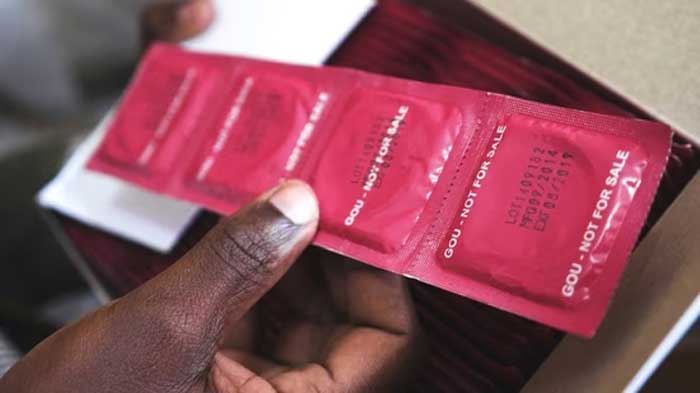
Bangladesh is facing another serious challenge alongside the unrest following the death of student leader Sharif Osman Hadi: a looming shortage of condoms, the country’s most commonly used contraceptive. According to a report by The Daily Star, condom stocks could run out for at least a month early next year due to funding constraints and staff shortages.
Contraceptive shortage in Bangladesh
Officials say the country’s family planning programme has been significantly affected, with the Directorate General of Family Planning (DGFP) potentially unable to distribute condoms for about a month. The DGFP provides five types of contraceptives free of cost through its field-level workers: condoms, oral pills, intrauterine devices (IUDs), injectables, and implants.
Over the past six years, condom supplies have fallen by 57 per cent, while other contraceptives have also seen declines: oral pills (63%), IUDs (64%), injectables (41%), and implants (37%). As of December 11, 2025, the DGFP had condom stocks for 39 days, implants for 33 days, IUDs for 45 days, oral pills for five months and 18 days, and injectables for six months and 15 days.
Abdur Razzaque, director of the DGFP’s logistics and supply unit, told The Daily Star that supplies could be replenished once an ongoing legal issue over purchases is resolved. However, he warned that condoms are likely to run out, leaving people without access for at least a month.
Staff shortages worsen the problem
A shortage of field-level workers has compounded the crisis, according to DGFP director general Ashrafi Ahmad. Recruitment for some positions has been halted due to legal issues. These workers play a crucial role in distributing contraceptives and providing guidance and counselling to users.
Rising fertility rates
The condom shortage comes as Bangladesh records its first increase in total fertility rate (TFR) in 50 years. A recent national survey found both contraceptive use and access to modern contraception have declined, which experts say is directly linked to the rise in TFR.
Aminul Islam, a professor of Population Sciences at Dhaka University, said many couples have become less inclined toward family planning in recent years, with some choosing to have more than two children. According to the Multiple Indicator Cluster Survey 2025, the TFR climbed to 2.4, up from 2.3 last year.
Comments are closed.