

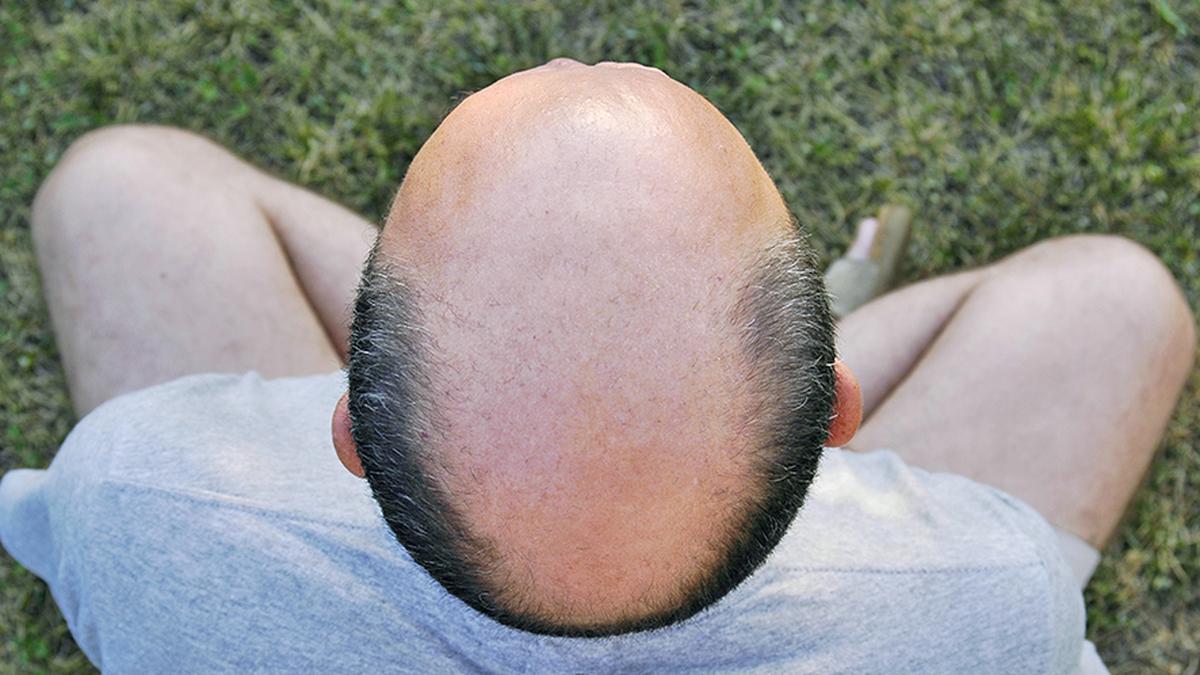
In a world obsessed with appearances, hair has become more than just a natural feature — it’s a symbol of youth, confidence, and identity. As a result, the booming hair restoration industry promises miracles: instant growth serums, laser caps, transplants, and “revolutionary” treatments that claim to reverse baldness in weeks. But behind the glossy advertisements and celebrity endorsements lies a sobering reality — many of these quick-fix cures come with high financial, physical, and emotional costs.
The Psychology of Hair Loss
For many, hair loss is deeply personal. Whether caused by genetics, hormonal changes, stress, or medical conditions, baldness often triggers anxiety and diminished self-esteem. This emotional vulnerability makes people easy targets for companies selling “miracle” treatments that promise fast and effortless results.
Experts note that desperation often drives individuals to try untested or overpriced products. The allure of regaining lost hair — and by extension, lost confidence — can overshadow scientific skepticism. “People don’t just buy treatments; they buy hope,” says a dermatologist. “And that’s exactly what the industry sells.”
The Price of Promises
The global hair restoration market is worth billions of dollars, fuelled by aggressive marketing. From topical sprays to “stem cell” therapies, many treatments claim scientific legitimacy but lack peer-reviewed validation. A single session of advanced hair transplant surgery can cost anywhere between ₹1.5 lakh to ₹5 lakh in India, and even more abroad — yet the results are far from guaranteed.
Similarly, non-surgical methods such as PRP (Platelet-Rich Plasma) therapy, laser therapy, or mesotherapy are heavily promoted but often yield mixed outcomes. Many users report temporary improvements followed by relapse, leading to a costly cycle of dependence on maintenance sessions and cosmetic products.
Worse still, some clinics exploit loopholes in medical advertising regulations, using misleading “before-and-after” photos and paid influencer testimonials. Patients often discover too late that these treatments are not only ineffective but also potentially harmful to the scalp and skin.
The Risks Behind the Remedies
Beyond financial strain, the pursuit of instant solutions can have serious health repercussions. Unregulated cosmetic procedures, cheap transplant surgeries, and over-the-counter steroid-based products can cause infections, allergic reactions, and permanent scarring.
Dermatologists warn that many “herbal” or “organic” hair tonics contain undisclosed chemicals such as minoxidil derivatives or hormones that can disrupt the body’s natural balance. In extreme cases, botched transplants performed by unqualified technicians have resulted in severe infections and disfigurement.
Moreover, the psychological toll is often underestimated. When promised results fail to materialize, patients face renewed feelings of shame, regret, and self-blame — deepening the very insecurities that pushed them toward quick fixes in the first place.
The Science Speaks: No Overnight Solution
According to trichologists, hair restoration is a gradual process that depends on individual biology, underlying health, and consistent care. The only clinically proven treatments for androgenetic alopecia (pattern baldness) remain minoxidil and finasteride, both of which require months of use and medical supervision.
Hair transplantation can offer lasting results, but only when performed by certified professionals with realistic expectations and proper post-operative care. In contrast, “instant growth” claims are, more often than not, marketing myths designed to exploit human impatience.
The Social Media Mirage
Platforms like Instagram, YouTube, and TikTok have amplified misinformation about hair loss treatments. Influencers frequently promote “miracle oils,” “peptide serums,” or “natural growth hacks” without clinical evidence. Sponsored posts blur the line between medical advice and marketing, creating a dangerous illusion of quick, affordable solutions.
This digital culture of vanity feeds into an unrealistic cycle: people compare themselves to edited images, seek shortcuts to perfection, and fall prey to a commercial ecosystem that profits from their insecurities.
Embracing Reality and Science
Dermatologists stress that the first step toward addressing hair loss is diagnosis, not desperation. Hair thinning can result from iron deficiency, thyroid imbalances, stress, or autoimmune conditions — each requiring specific treatment. Consulting a certified dermatologist or trichologist can save patients from unnecessary risks and expenses.
Equally important is accepting that baldness is not a flaw but a natural part of aging and genetics. Public figures, from actors to athletes, have begun embracing shaved heads with pride, challenging the stigma that fuels this billion-dollar illusion of “perfect hair.”
The Real Takeaway
The bald truth is this: there are no shortcuts to genuine hair restoration. Every scalp, like every person, is unique — and so is every solution. The obsession with instant fixes often leads to long-term regret, while patience, medical guidance, and self-acceptance offer a far healthier path.
In the end, the high cost of quick-fix hair cures isn’t just about money — it’s about misplaced trust, unfulfilled promises, and the deeper cost of chasing perfection in a world that profits from insecurity. Sometimes, the most powerful statement isn’t about growing hair — it’s about growing confidence.
Comments are closed.