
Assam Hit Hard by Second Wave of Flooding: 2 Dead, Thousands Affected

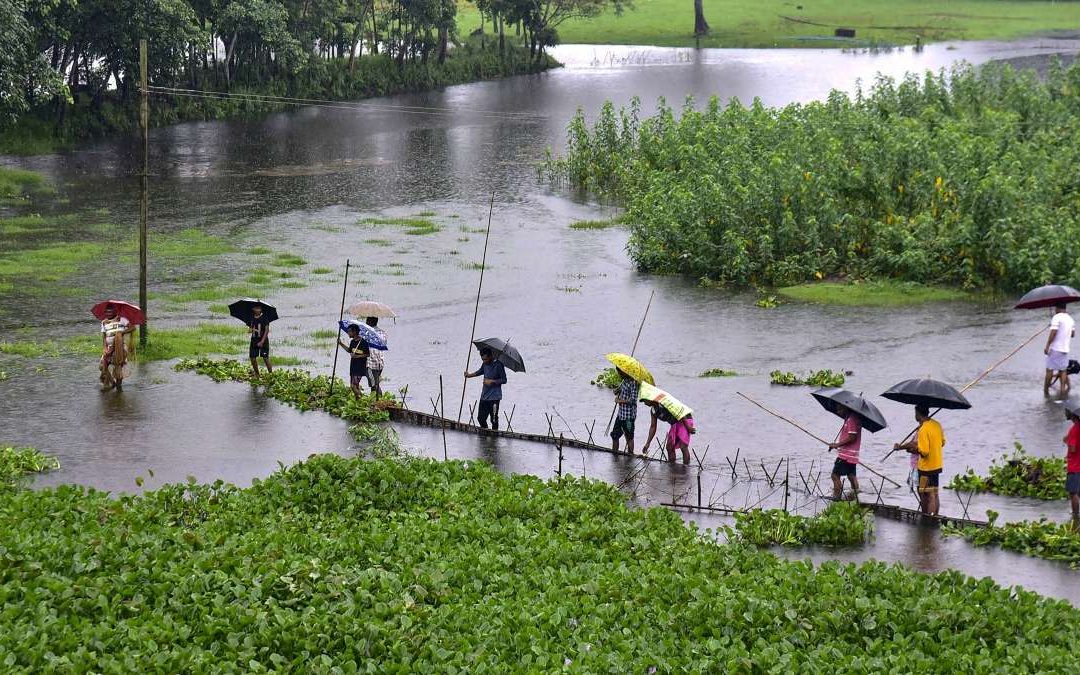
A resurgence of monsoon flooding has swept through Assam, causing casualties, displacement, and widespread disruption.
In this new wave of floods, two people have lost their lives, and approximately 22,000 residents across several districts are reported to be affected. The state government has issued warnings and activated relief operations to manage the crisis as water levels in rivers and tributaries continue to rise.
Extent of the Damage
-
Casualties and Displacement: Two fatalities have been confirmed in the recent flood wave. Thousands have been impacted — homes submerged, farmlands damaged, and livelihoods disrupted.
-
Districts and Regions Affected: Low-lying and flood-prone districts have borne the brunt. Areas with rivers flowing above danger marks face the greatest risks. Many villages and revenue circles are under water.
-
Infrastructure and Agriculture: Floodwaters have inundated roads, disrupting transport and supply chains. Agricultural land is submerged, threatening crop losses and the livelihoods of farmers. Villagers in affected areas are facing shortages of essentials and being evacuated to safer locations.
Causes & Compounding Factors
-
Heavy Rainfall: Recent sustained rainfall, including from neighbouring regions, has increased river levels and caused tributaries to overflow.
-
River Overflow & Upstream Runoff: Rivers flowing above the danger mark have led to spillover in downstream regions. Upstream rains and runoff contribute substantially to rising water in Assam’s river systems.
-
Vulnerable Geographies: Many parts of Assam lie in flood plains. Insufficient flood defenses, embankment breaches, encroachments, and degraded natural barriers worsen the flooding effect.
Government Response & Relief Measures
-
Alert and Warning Systems: Authorities have issued flood and landslip advisories. River monitoring is ongoing in districts vulnerable to rising water levels.
-
Relief Operations: Emergency teams have been mobilized to distribute food, water, and other necessities. Shelters and relief camps are functioning to house those displaced. Local administrations are coordinating rescue and relief efforts.
-
Forecasts & Preparedness: Weather forecasting bodies have warned of more rain likely in the coming days, raising the risk of further flooding. Officials are urging residents in high-risk zones to stay alert and take preventive action.
Challenges Ahead
-
Scale of Impact vs Capacity: The scale of displacement and damage outpaces many local relief capacities. Supplies, logistics, and shelter space may strain under continued flooding.
-
Health Risks: Floods often bring risks of waterborne diseases, contamination of water supply, and difficulties accessing medical services.
-
Long Term Effects on Agriculture & Economy: Crop loss could lead to food insecurity and income loss for farmers. Infrastructure damage can have ripple effects on market access and community resilience.
-
Environmental Concerns: Flooding can lead to soil erosion, habitat damage, and stress on wildlife in Assam’s sensitive ecosystems.
Looking Forward
For Assam’s residents, the coming days are critical. The success of relief operations will depend on early warnings, efficient government response, and community cooperation. Longer term, strengthening flood defences, maintaining embankments, restoring ecosystems like wetlands that buffer flooding, and improving land use planning will be essential to reduce recurring damage.
The second wave of floods in Assam has brought fresh grief and challenges to thousands. Two lives have already been lost, and the damage continues to mount. While immediate relief work is underway, mitigating future flood impact will require structural, environmental, and policy action. Assam’s monsoon cycle demands more than reactive measures—it calls for resilient planning and sustainable investment to shield its people from repeated disasters.
Comments are closed.