
As Typhoons Ravage Southeast Asia, Scientists Link Intensifying Storms to Rising Temperatures

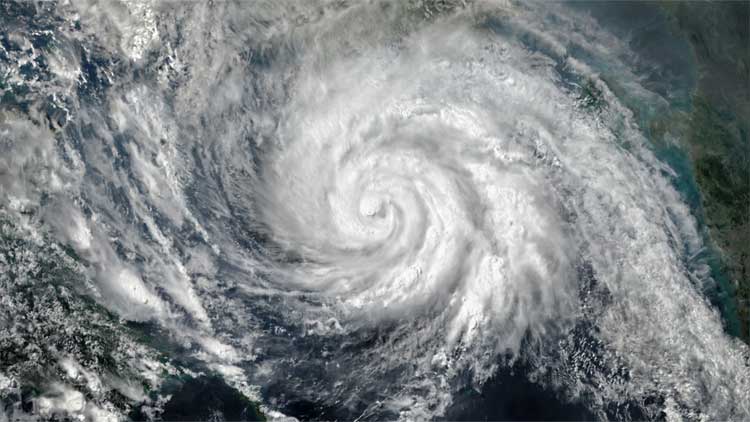
As Typhoon Kalmaegi, the year’s deadliest storm, barrels into Vietnam after leaving widespread devastation across the Philippines, scientists are warning that such extreme weather events will become increasingly common as the planet warms.
Kalmaegi killed at least 188 people in the Philippines earlier this week and caused massive damage to infrastructure, farmland, and homes. After making landfall in central Vietnam late Thursday, the storm tore through coastal communities, uprooting trees and destroying buildings.
The typhoon’s destruction comes as delegates from more than 190 countries gather in Belem, Brazil, for global climate negotiations, underscoring the mounting human toll of climate inaction.
“Sea surface temperatures in both the western North Pacific and the South China Sea are exceptionally warm,” said Ben Clarke, an extreme weather researcher at London’s Grantham Institute on Climate Change and Environment.
“Kalmaegi has been more powerful and wetter because of these elevated temperatures, which are clearly linked to human-caused global warming.”
Warmer Oceans Fuel Stronger Cyclones
Scientists say that warmer sea surface temperatures intensify tropical storms by accelerating evaporation and increasing atmospheric moisture — effectively packing more “fuel” into each system.
“Climate change enhances typhoon intensity primarily by warming ocean surfaces and increasing atmospheric moisture,” explained Gianmarco Mengaldo of the National University of Singapore.
“While not every typhoon will be stronger, the likelihood of powerful storms with heavier rainfall and stronger winds rises in a warmer climate.”
Fewer Storms, But Greater Intensity
According to Mengaldo, data does not yet show a rise in the number of tropical cyclones, but their intensity is clearly increasing. He co-authored a study on Typhoon Ragasa last September, which highlighted how warmer oceans amplify storms’ destructive potential.
Dhrubajyoti Samanta, a climate scientist at Nanyang Technological University, noted that the Philippines has seen multiple typhoons forming in shorter intervals — with four developing simultaneously last November.
“Even if annual cyclone numbers don’t dramatically increase, their clustering within shorter periods could heighten the overall impact,” he said. “Kalmaegi is a stark reminder of that emerging risk.”
Back-to-Back Storms Compound Damage
While Kalmaegi may not be the strongest storm to hit Southeast Asia this year, researchers warn it has magnified the toll of months of relentless extreme weather.
“Back-to-back storms can cause more damage than the sum of their parts,” said Feng Xiangbo, a tropical storm expert at the University of Reading.
“When soils are saturated and rivers are full, even a relatively weak storm can trigger catastrophic flooding and landslides.”
Feng and Mengaldo cautioned that typhoons are also forming in new regions and following unpredictable paths, threatening communities unaccustomed to such hazards.
“Coastal regions impacted by tropical storms are expanding rapidly,” Feng warned. “Combined with rising sea levels, this poses a grave threat to low-lying areas in the Philippines and along Vietnam’s shallow coastlines.”
As Kalmaegi moves inland, both nations face the daunting task of recovery amid a growing consensus among scientists: without urgent climate action, such deadly storms will only grow stronger, wetter, and more destructive.
Comments are closed.