
As Türkiye Prepares to Host COP31, a Look Back at COP30’s Key Outcomes

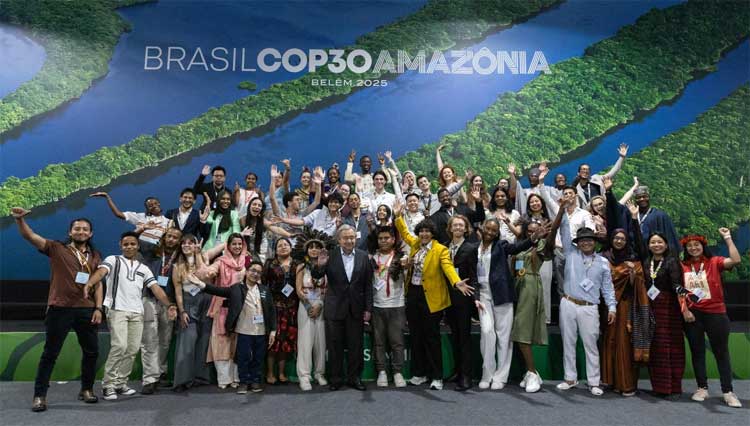
As Türkiye prepares to host COP31, the outcomes of COP30 have laid an important foundation for the next phase of global climate action. Decisions taken in Belém marked progress on climate finance, adaptation and implementation of the Paris Agreement, even as divisions over a clear fossil fuel phase-out underscored the persistent challenges in international climate negotiations.
Key outcomes of COP30
COP30 concluded with a broad package aimed at shaping climate action over the coming decade. Countries agreed to:
-
Mobilise USD 1.3 trillion annually by 2035 for climate action
-
Double adaptation finance by 2025 and triple it by 2035
-
Operationalise the loss and damage fund and establish replenishment cycles
-
Launch the Global Implementation Accelerator and the Belém Mission to 1.5°C
-
Address climate disinformation for the first time in COP history by promoting information integrity and countering false narratives
Despite pressure from more than 80 countries for explicit language on phasing out fossil fuels, the final decision text only referenced the UAE Consensus from COP28, which calls for “transitioning away from fossil fuels”. Earlier drafts that outlined a clearer roadmap were dropped during the final hours of negotiations.
A COP focused on implementation
After two weeks of intense talks, COP30 placed strong emphasis on helping countries deliver their nationally determined contributions (NDCs) and adaptation plans. The inclusion of climate disinformation reflected growing concern that false narratives undermine science-based policymaking and public trust.
Brazilian President Luiz Inácio Lula da Silva opened the summit by calling it the “COP of truth”, a theme echoed in the final decision through commitments to transparency, science-driven action and accountability.
Roadmaps announced by the COP30 Presidency
Acknowledging that expectations around the energy transition were not fully met, COP30 President André Corrêa do Lago announced that Brazil would develop two major roadmaps during its presidency:
-
A roadmap to halt and reverse deforestation
-
A roadmap to ensure a just, orderly and equitable transition away from fossil fuels, backed by adequate finance and planning
Difficult negotiations
Negotiations were disrupted by protests from Indigenous groups demanding stronger environmental protections and by a fire at the conference venue that briefly halted proceedings. Delegates worked through the final night to reach a politically viable agreement centred on solidarity, finance and accelerated implementation.
UN leadership reactions
From the G20 Summit, UN Secretary-General António Guterres welcomed the progress but cautioned that “COP30 did not deliver everything that is needed”. He warned that overshooting the 1.5°C target remains a real risk without rapid emissions cuts and scaled-up climate finance.
UN Climate Chief Simon Stiell said that despite geopolitical turbulence, 194 nations had “kept humanity in the fight for a livable planet”. He highlighted the “irreversible” global shift toward low-emissions development, noting that investment in renewables now outpaces fossil fuels by two to one.
Momentum beyond negotiations
Beyond formal decisions, COP30 also saw strong momentum through voluntary initiatives, including:
-
Tropical Forests Forever Fund: USD 5.5 billion raised, with 20% allocated directly to Indigenous Peoples
-
Belém Health Action Plan: The first global initiative addressing climate-related health risks, backed by USD 300 million
-
UNEZA Alliance: Annual pledges of USD 66 billion for renewable energy and USD 82 billion for transmission and storage
-
A coalition of cities, regions and companies collectively cutting more than 850,000 tonnes of CO₂ in 2024
Countries also agreed to design a just transition mechanism to strengthen cooperation, technical support and capacity-building.
The road to COP31
As preparations for COP31 gather pace, Türkiye and Australia have agreed on a shared leadership model. Türkiye will serve as COP31 President and host the conference in 2026, overseeing logistics, communications and the Action Agenda. Australia will appoint the President of Negotiations, who will lead all negotiation processes and hold exclusive authority over the talks.
Australia, alongside Pacific island nations, will also lead the Pre-COP in the Pacific, guide negotiation mandates, convene consultations and develop draft negotiating texts. Both countries will work closely — with strong involvement from Pacific states — to advance the Action Agenda, including a dedicated COP31 session on climate finance for Small Island Developing States and support for the Pacific Resilience Facility.
Together, the outcomes of COP30 and the emerging COP31 framework underline a decisive shift from pledges to implementation — even as the global community continues to grapple with the pace and scale of the climate transition.
Comments are closed.