
Around 4.9 million children under the age of five died in 2024, according to the United Nations.

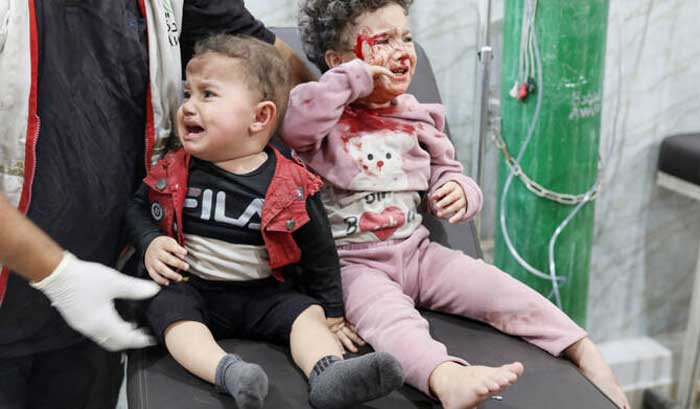
Around 4.9 million children died before reaching their fifth birthday in 2024, according to new estimates from the United Nations—highlighting that progress in reducing child mortality was already slowing even before global aid cuts last year.
The majority of these deaths were preventable, with improved access to basic healthcare and low-cost interventions capable of addressing issues such as complications from preterm births and diseases like malaria. The report, compiled by UNICEF, the World Bank, the World Health Organization, and the U.N. population division, noted that child deaths have more than halved since 2000—but progress has noticeably slowed since 2015.
Child mortality stood at 4.9 million in 2022—a record low—and 4.8 million in 2023. While the 2024 figure appears to show an increase, agencies cautioned that changes in calculation methods mean the numbers are not directly comparable.
Global slowdown raises concern
A spokesperson for the World Health Organization warned of a clear global slowdown in reducing child mortality, citing factors such as conflict, economic instability, climate change, and fragile health systems. She cautioned that aid cuts could further undermine progress.
“Together, these pressures risk stalling—or even reversing—hard-won gains in child survival if not addressed,” she said.
The 2024 data predates major aid reductions by countries including the United States, the United Kingdom, and Germany. According to the Gates Foundation, global development assistance for health fell by nearly 27% in 2025 compared to the previous year—a trend it warned could reverse progress in reducing child mortality.
UNICEF Executive Director Catherine Russell stressed that no child should die from preventable causes, but said current trends are concerning, especially amid shrinking global health budgets. The agencies also warned that funding cuts could weaken data collection systems, making it harder to track future progress.
The report draws on U.N. data and estimates from the Johns Hopkins Bloomberg School of Public Health.
Comments are closed, but trackbacks and pingbacks are open.