
Antarctic Winter Sea Ice Hits Third-Lowest Peak on Record Amid Climate Change

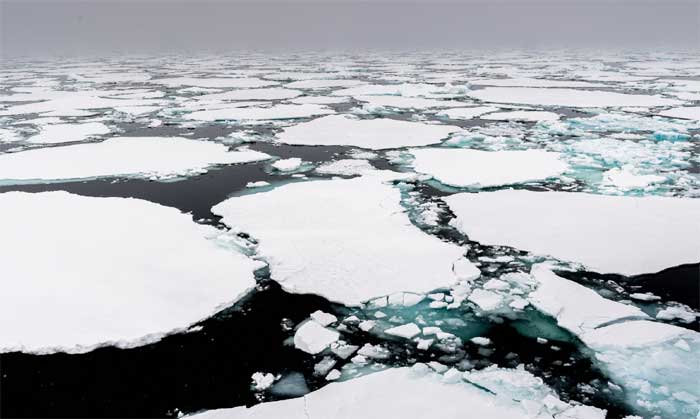
Antarctica’s winter sea ice has reached its third-lowest peak in nearly 50 years of satellite observations, researchers reported Tuesday, underscoring the increasing impact of climate change on the southernmost continent.
Each year during the Southern Hemisphere winter, the ocean surrounding Antarctica freezes hundreds of miles beyond the continent, with the maximum extent typically observed in September or October before the thaw begins.
This year, preliminary data from the US National Snow and Ice Data Center at the University of Colorado Boulder shows the ice peaked on September 17 at 17.81 million square kilometers (6.88 million square miles). This makes 2025 the third-lowest maximum in the 47-year record, following the record low in 2023 and the second-lowest in 2024—still well below historic averages.
What’s happening in Antarctica?
Ted Scambos, senior research scientist at CU Boulder, explained that until 2016, Antarctic sea ice showed “an erratic but slight increase over time.” Now, warmer global ocean waters are mixing into the waters closest to Antarctica, indicating that climate change has finally reached the continent’s frozen seas.
Although floating sea ice does not raise sea levels when it melts, its retreat has important consequences:
-
It replaces reflective white ice with dark blue water, which absorbs sunlight instead of bouncing it back into space.
-
It reduces the stabilizing buffer that protects the Antarctic Ice Sheet from wave and wind impact, increasing the potential for ice sheet destabilization.
Scambos added that the melting sea ice could lead to more snowfall on Antarctica, as humid ocean air carries more moisture inland. While this could temporarily offset sea-level rise, long-term warming trends historically lead to ice sheet shrinkage.
The Antarctic Ice Sheet holds enough ice to raise global sea levels significantly, potentially inundating low-lying coastal regions over centuries if warming continues. Oceans currently absorb 90% of the heat generated by human-driven climate change, further intensifying the planet’s warming trends.
This record-low sea ice highlights the accelerating influence of climate change even in Earth’s coldest and most remote regions.
Comments are closed.