
Amid India–Pakistan World Cup match cliffhanger, Asim Munir makes guest appearance

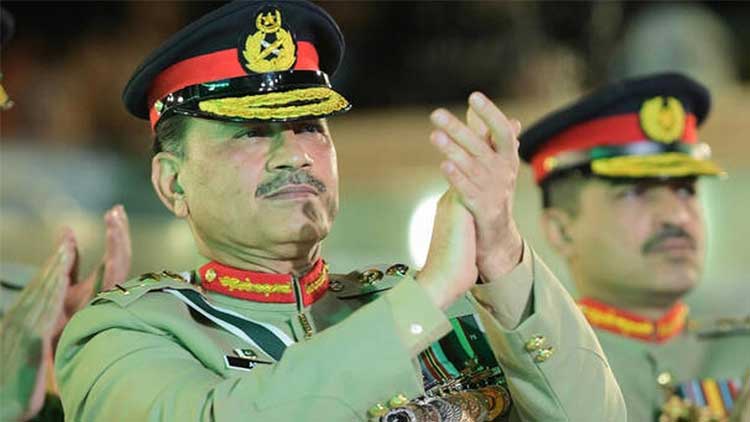
Just hours before Pakistan agreed to play its T20 World Cup match against India on February 15, Pakistan Cricket Board (PCB) chairman Mohsin Naqvi triggered fresh controversy by invoking Field Marshal Asim Munir and rejecting what he described as “threats” from India and the International Cricket Council (ICC).
The PCB formally cleared the match later on Monday, ending weeks of uncertainty marked by boycott threats, political pressure and behind-the-scenes negotiations involving the Pakistan government, the ICC and several national cricket boards.
Naqvi, who also serves as Pakistan’s interior minister, drew the military leadership into the dispute during a press conference amid the standoff, a move analysts said appeared aimed at framing a cricket issue as a broader civil–military signal.
“Neither am I intimidated by the threats from India and the ICC, nor is the Government of Pakistan,” Naqvi said. “And as for Field Marshal Syed Asim Munir, you already know about him — he never gets afraid.”
Why Naqvi invoked Asim Munir
Field Marshal Asim Munir has emerged as a central figure in Pakistan’s recent political and military narrative. In May 2025, following heightened border hostilities with India after Operation Sindoor, Pakistan’s cabinet promoted then army chief Munir to the rank of field marshal — the country’s highest military rank and only the second such promotion in its history after Ayub Khan.
Operation Sindoor was launched by India on May 7, 2025, targeting terror infrastructure linked to groups such as Jaish-e-Mohammed and Lashkar-e-Taiba in Pakistan and Pakistan-occupied Kashmir, following a deadly attack in Pahalgam in Jammu and Kashmir. The strikes triggered four days of intense military exchanges before both sides paused hostilities.
Pakistani officials later portrayed Munir’s leadership during the confrontation as a symbol of national resolve, a narrative Islamabad has continued to emphasise despite criticism from India on international platforms.
Senior government officials quoted by Pakistani media said Naqvi’s reference to Munir was deliberate and intended to signal that the standoff had moved beyond sport into the realm of state authority and civil–military positioning.
PCB reverses stance after consultations
Despite its earlier hard line, the PCB reversed course after consultations led by Prime Minister Shehbaz Sharif with multiple stakeholders, including cricket boards from Sri Lanka, the United Arab Emirates and Bangladesh. The government subsequently directed the national team to play India as scheduled in Colombo on February 15.
A government statement said the decision followed multilateral discussions and appeals from “friendly countries,” and was taken to safeguard the continuity and spirit of international cricket.
The ICC later confirmed that mediation meetings in Lahore with PCB and Bangladesh Cricket Board officials were “open, constructive and congenial,” adding that no penalties would be imposed on Bangladesh in relation to the broader participation dispute.
Comments are closed.