
Akshay Kumar Insures 650 Stunt Workers After SM Raju’s Tragic Death, Pioneering Safety in Bollywood

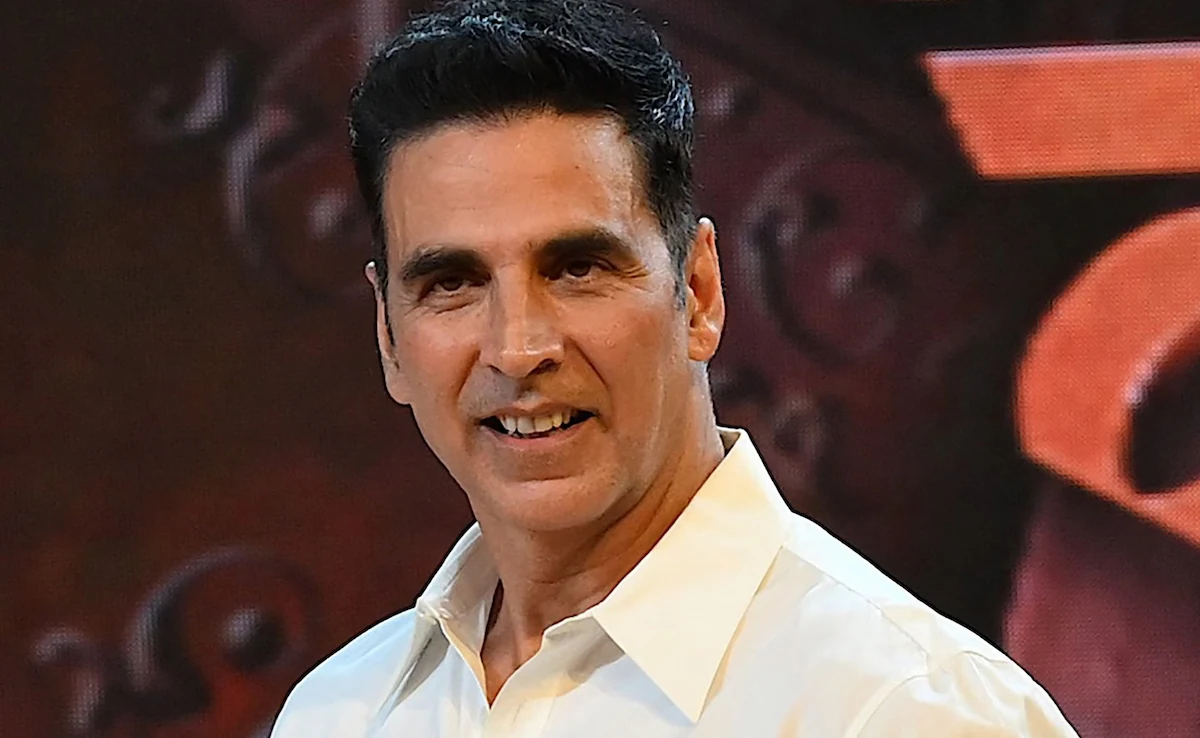
Indian film industry was shaken by the tragic death of veteran stuntman SM Raju during a high-risk car-toppling stunt on the set of the Tamil film Vettuvam, directed by Pa Ranjith and starring Arya. The incident, captured in a viral video showing the car flipping uncontrollably, reignited concerns about the safety of stunt professionals who risk their lives to create cinematic spectacle. In response, Bollywood superstar Akshay Kumar, known for his action-packed roles and advocacy for stunt workers, took a groundbreaking step by personally funding insurance coverage for approximately 650 stuntmen and stuntwomen across India. This initiative, offering health and accident coverage up to ₹5–5.5 lakh, sets a new benchmark for safety and welfare in the film industry. This article explores the context of Raju’s death, Kumar’s initiative, its implications, and the broader need for systemic reform, framed through the Needonomics framework, which prioritizes essential needs for sustainable progress.
The Tragedy of SM Raju’s Death
SM Raju, a seasoned stunt artist, lost his life on July 13, 2025, while performing a car-toppling stunt for Vettuvam in Nagapattinam, Tamil Nadu. A widely circulated video showed the stunt going awry as the car hit a ramp, lost control, flipped multiple times, and crashed heavily on its front end. Despite the presence of safety measures like a reinforced vehicle frame, helmet, and seatbelt, Raju was unresponsive after the accident. He was rushed to a hospital but declared dead, with a post-mortem revealing severe internal injuries, including head trauma, despite no visible external wounds.
The incident prompted a negligence case against director Pa Ranjith, assistant director Raj Kamal, vehicle owner Prakash, and shoot manager Vinodh, as confirmed by Nagapattinam police. Tamil actor Vishal, General Secretary of the South Indian Artistes Association, expressed heartbreak, noting Raju’s 20-year career and pledging support for his two young children. Vishal revealed that Raju was advised against performing the stunt but proceeded, highlighting a deeper issue of stunt performers’ “hand-to-mouth survival attitude” and reluctance to report injuries for fear of losing work.
Akshay Kumar’s Landmark Initiative
In response to Raju’s death and ongoing safety concerns, Akshay Kumar, a veteran of action films like Rowdy Rathore, Kesari, and Holiday, launched an insurance scheme covering 650–700 stunt professionals across India. The initiative, personally funded by Kumar since 2017, provides cashless medical treatment up to ₹5–5.5 lakh for injuries sustained on or off set, along with ₹20–25 lakh payouts to nominees in case of death. Veteran stunt coordinator Vikram Singh Dahiya, known for films like Gunjan Saxena, Antim, OMG 2, Dhadak 2, and Jigra, praised Kumar’s efforts, stating, “Thanks to Akshay sir, around 650 to 700 stuntmen and action crew members in Bollywood are now covered under insurance.”
Aejaz Khan, General Secretary of the Movie Stunt Artists Association, noted that Kumar has been funding this policy for eight years, covering annual premiums exceeding ₹1 crore for 535 artists, though those over 65 remain uncovered. The initiative, described as a “turning point” by Khan, addresses a critical gap in an industry where stunt performers often lack contracts, legal protections, or medical coverage, making them vulnerable to financial ruin from injuries. Kumar’s personal involvement stems from his firsthand understanding of stunt work, having performed high-risk sequences himself, and his advocacy has been lauded as a model for industry leaders.
Industry Context and Safety Challenges
Stunt performers in India operate in high-risk environments with minimal safeguards. The Movie Stunt Artists Association requires a ₹3.6 lakh registration fee and martial arts training, yet offers no inherent insurance, leaving workers exposed. Daily wages of ₹5,790 are modest compared to the risks, and many avoid reporting injuries to secure future work. The Vettuvam incident exposed systemic failures, despite standard safety protocols like ambulances, doctors, and reinforced vehicles. Vishal noted that stunt performers often downplay risks due to economic pressures, with some, like himself, carrying scars from past injuries (116 stitches in his case).
Raju’s death, caused by internal trauma rather than visible injuries, underscores the unpredictability of stunt work. The industry’s reliance on individual initiatives like Kumar’s highlights a lack of institutionalized safety standards. While Bollywood has made strides, as noted by Dahiya, who reports no major accidents in his 11–12 years as an action director, the South Indian film industry faces similar challenges, with calls for government intervention to enforce standardized protocols.
Needonomics and Consumer Wisdom
The Needonomics framework, which prioritizes essential needs over wants, aligns with Kumar’s initiative, addressing the core need for stunt workers’ safety and financial security. By providing insurance, Kumar ensures access to healthcare and economic stability, fulfilling a fundamental need for an often-neglected workforce. Street economics, or consumer wisdom, is evident in the stunt community’s response, with professionals like Dahiya and Khan valuing practical support over symbolic gestures.
Social sentiment on X reflects widespread praise for Kumar’s actions, with posts from @CNNnews18, @tupaki_official, and @indiaforums calling it a “game-changer” and “benchmark” for stunt safety. The Recognition Heuristic boosts Kumar’s credibility, as his action-hero persona and personal funding resonate with fans and industry insiders. However, posts like @BhikuMhatre’s highlight a sobering reality, noting that stunt performers are “unsung heroes” who receive “meagre payments or death” for their work, urging broader industry accountability. The risk of counterfeit safety certifications in the industry underscores the need for verified, enforceable standards, aligning with Needonomics’ call for authenticity.
Economic and Ethical Implications
Kumar’s initiative, covering an estimated ₹35 crore in total insurance value, offers immediate relief to 650–700 stunt workers, mitigating financial risks from injuries. Economically, it sets a precedent for improving worker welfare, potentially reducing turnover and enhancing productivity in Bollywood’s action-heavy productions. By spotlighting stunt performers’ contributions, it could attract investment in safety training and equipment, strengthening India’s $10 billion film industry.
Ethically, Kumar’s move addresses a moral gap, valuing the lives of behind-the-scenes workers who drive cinematic spectacle. However, its reliance on individual philanthropy raises questions about systemic reform. Industry insiders like Ejaz Gulab argue for government intervention to mandate safety protocols and insurance, as Kumar’s coverage excludes those over 65 and cannot scale to all stunt workers. Needonomics advocates balancing individual efforts with institutional accountability to ensure equitable, sustainable change. The initiative also prompts ethical reflection on whether the industry’s glorification of high-risk stunts prioritizes profit over human lives.
Challenges and Opportunities
While Kumar’s initiative is a significant step, challenges remain:
-
Limited Coverage: The policy excludes stunt workers over 65 and may not extend to regional industries like Tollywood, where safety standards vary.
-
Systemic Gaps: The absence of enforceable safety protocols and contracts leaves stunt performers vulnerable, as seen in Vettuvam’s negligence case.
-
Cultural Barriers: Stunt workers’ reluctance to report injuries due to job insecurity requires cultural shifts within the industry.
Opportunities include institutionalizing Kumar’s model through industry-wide insurance schemes, potentially backed by government or producer funding. Collaborations with organizations like the Movie Stunt Artists Association could standardize training and safety certifications, reducing risks. Public awareness, amplified by X posts, could pressure producers to prioritize worker welfare, aligning with global trends in film industries like Hollywood, where unions enforce safety standards.
Comments are closed.